THE ADVENTURE COLLECTIVE® · Independent discovery and booking for outdoor travel

Walk the living galleries of Barcelona with artists and historians. This two-hour tour through El Raval and the Gothic Quarter combines street murals, a contemporary gallery visit, and exclusive studio access for an insider’s view of the city’s urban art scene.
Walk the living galleries of Barcelona with artists and historians. This two-hour tour through El Raval and the Gothic Quarter combines street murals, a contemporary gallery visit, and exclusive studio access for an insider’s view of the city’s urban art scene.
The tour begins in a lane where the stone walls hold centuries and the paint holds a fierce present—Gothic arches shadow vibrant stencils, while El Raval’s wide lanes spill color onto the pavement. Artists and historians lead you at a steady pace, stopping beneath towering murals and ducking into narrow courtyards where paint drips and conversation hums.
Verified experiences and guided adventures in the surrounding area.
Operated by Artspace Tours Barcelona · Barcelona, Catalonia
The tour begins in a lane where the stone walls hold centuries and the paint holds a fierce present—Gothic arches shadow vibrant stencils, while El Raval’s wide lanes spill color onto the pavement. Artists and historians lead you at a steady pace, stopping beneath towering murals and ducking into narrow courtyards where paint drips and conversation hums.
Barcelona’s Gothic Quarter dates to Roman and medieval streets carved from limestone; El Raval transformed from industrial fringe to a magnet for creatives and skate culture. Geology matters here too—the city sits on coastal terraces that shape light and views, making murals catch the late-afternoon glow. The tour threads history, contemporary practice, and local culture: you’ll hear about political murals, gallery economies, and how global graffiti movements took root in Catalonia.
Practical details are straightforward. The two-hour route covers roughly 1.5–2 km on mostly flat, paved streets with occasional cobbles—easy walking but bring supportive shoes. Expect stops at an urban gallery and an artist collective’s studio where you meet practitioners and see works-in-progress; access is curated and sometimes limited by studio availability. Photography is welcome, but respect artists’ requests and private property. Plan for late afternoon light to see colors pop, and use public transit to arrive—parking is tight.
This experience suits anyone curious about street art’s craft and context: come with questions, a charged phone, and an open mind to leave with a clearer view of Barcelona’s living mural scene.
easy.
2 hours.
Light walking fitness is sufficient; participants should be comfortable on uneven cobblestones for short stretches.
Studio access is curated and usually included, but specific artists or studios can change; the operator secures exclusive visits when available and will substitute gallery time if needed.
Guides commonly offer tours in English and Spanish; check booking details for language options or request a specific language when reserving.
Yes—routes are stroller-accessible and the tour is rated physically easy, though some cobbled streets may be bumpy.
Yes—galleries and some artists in the studio may sell original works or prints; bring a card or cash and ask guides about commission policies.
The Gothic Quarter preserves Roman and medieval street patterns while El Raval evolved from industrial port activity into a bohemian arts district in the late 20th century.
Street art here is often ephemeral; respect legal walls, support local galleries and artists directly, and avoid contributing to illegal tagging that harms community spaces.
Artspace Tours Barcelona operates guided outdoor trips and adventures with an emphasis on safety, stewardship, and memorable experiences.
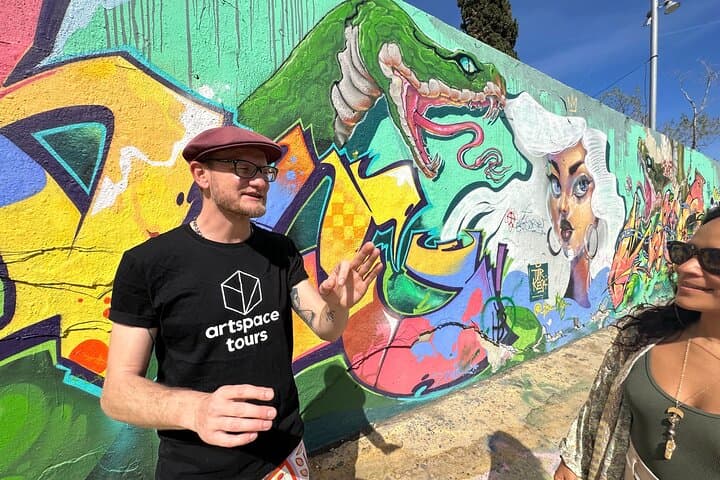
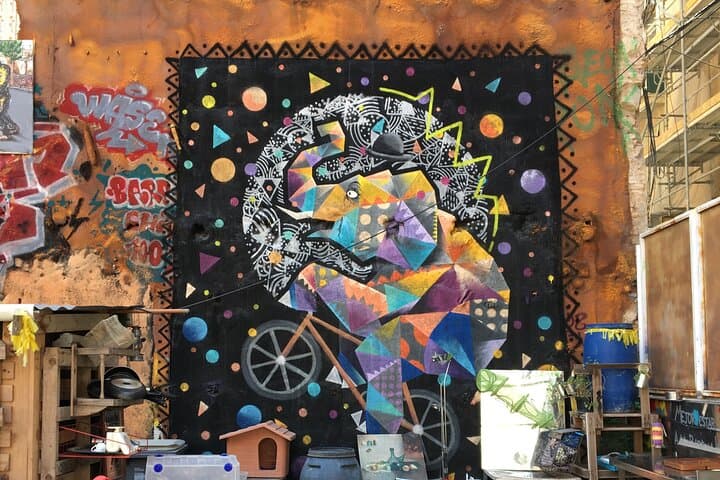
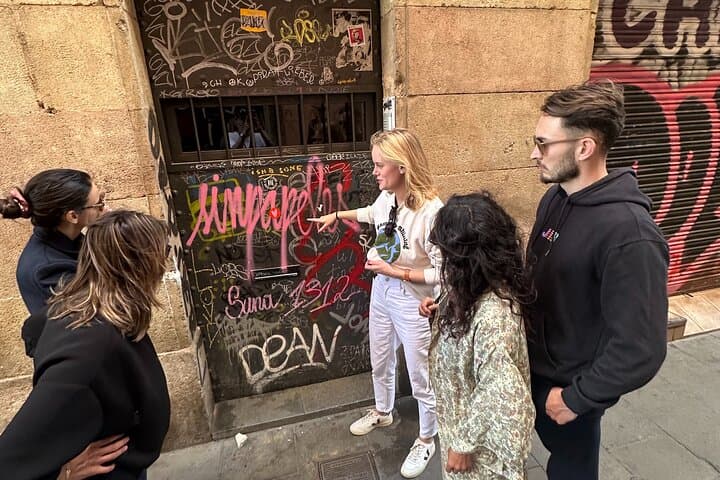
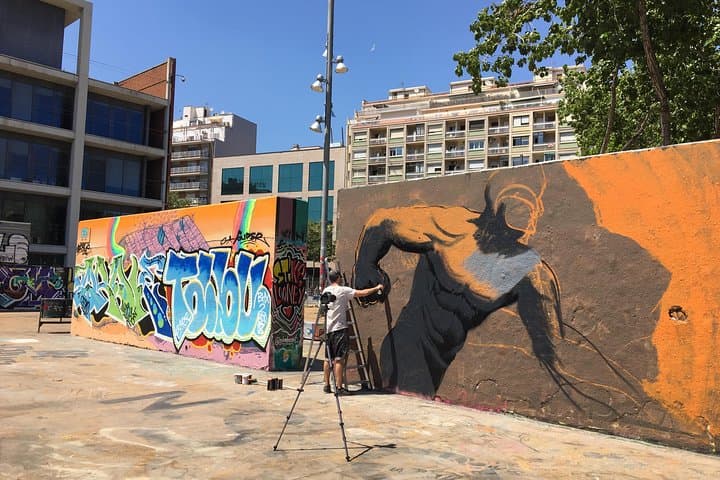
The tour begins in a lane where the stone walls hold centuries and the paint holds a fierce present—Gothic arches shadow vibrant stencils, while El Raval’s wide lanes spill color onto the pavement. Artists and historians lead you at a steady pace, stopping beneath towering murals and ducking into narrow courtyards where paint drips and conversation hums.
The tour begins in a lane where the stone walls hold centuries and the paint holds a fierce present—Gothic arches shadow vibrant stencils, while El Raval’s wide lanes spill color onto the pavement. Artists and historians lead you at a steady pace, stopping beneath towering murals and ducking into narrow courtyards where paint drips and conversation hums.
Barcelona’s Gothic Quarter dates to Roman and medieval streets carved from limestone; El Raval transformed from industrial fringe to a magnet for creatives and skate culture. Geology matters here too—the city sits on coastal terraces that shape light and views, making murals catch the late-afternoon glow. The tour threads history, contemporary practice, and local culture: you’ll hear about political murals, gallery economies, and how global graffiti movements took root in Catalonia.
Practical details are straightforward. The two-hour route covers roughly 1.5–2 km on mostly flat, paved streets with occasional cobbles—easy walking but bring supportive shoes. Expect stops at an urban gallery and an artist collective’s studio where you meet practitioners and see works-in-progress; access is curated and sometimes limited by studio availability. Photography is welcome, but respect artists’ requests and private property. Plan for late afternoon light to see colors pop, and use public transit to arrive—parking is tight.
This experience suits anyone curious about street art’s craft and context: come with questions, a charged phone, and an open mind to leave with a clearer view of Barcelona’s living mural scene.