THE ADVENTURE COLLECTIVE® · Independent discovery and booking for outdoor travel

Walk through massive underground hangars and across abandoned runways on a guided tour of Zeljava Airbase. This two-hour experience combines Cold War history, engineering feats, and local stories with hands-on exploration of a remarkable ruined complex.
Walk through massive underground hangars and across abandoned runways on a guided tour of Zeljava Airbase. This two-hour experience combines Cold War history, engineering feats, and local stories with hands-on exploration of a remarkable ruined complex.
A low wind slices across the empty concrete of the former runway, and a weathered Douglas C-47 sits with its wings spread like an invitation. Guides gather visitors at the plane, hand out flashlights, and the group crosses long, sun-baked tarmac toward a gash in the hillside that hides a 3‑kilometer network of concrete tunnels.
Verified experiences and guided adventures in the surrounding area.
Operated by Thrill quest · Plitvička Jezera, Lika-Senj County
A low wind slices across the empty concrete of the former runway, and a weathered Douglas C-47 sits with its wings spread like an invitation. Guides gather visitors at the plane, hand out flashlights, and the group crosses long, sun-baked tarmac toward a gash in the hillside that hides a 3‑kilometer network of concrete tunnels.
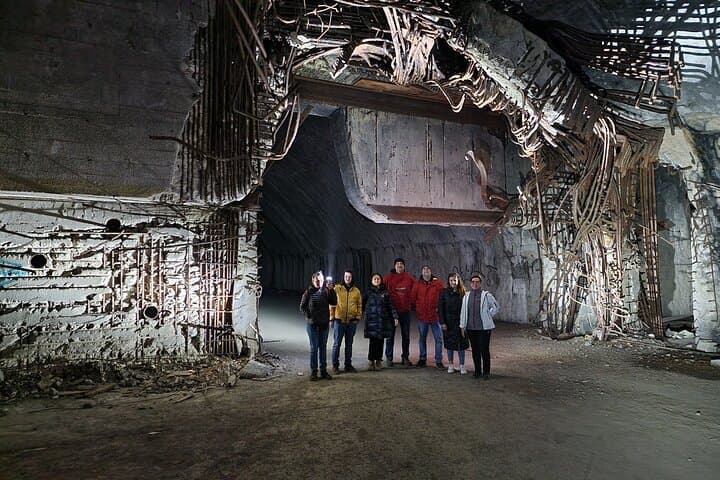
Built during the Cold War on the Croatia–Bosnia border, Zeljava was one of the largest underground military airbases in Europe. Engineers bored hangars and support rooms into the mountain to protect aircraft from attack; during the 1990s the facility was deliberately rendered unusable in the conflicts that ended Yugoslavia. The site’s concrete geometry and ruined infrastructure speak to both Cold War engineering and the human stories of divided colleagues and rapid political collapse.
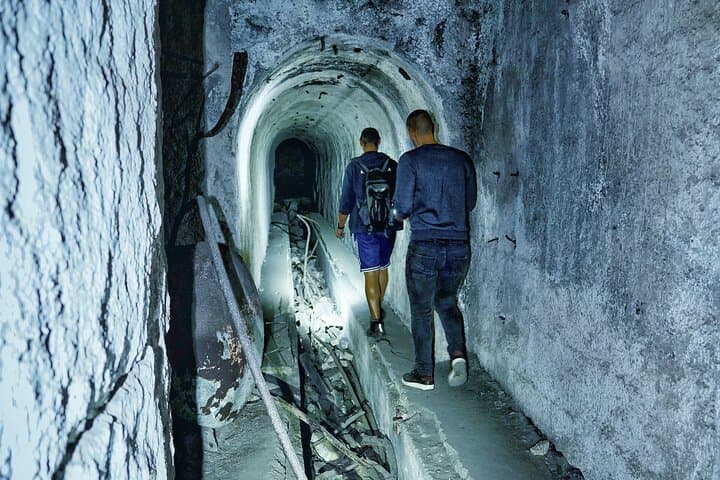
Visitors will see aircraft relics, maintenance bays and cavernous hangars while a guide recounts construction methods, operational routines and personal anecdotes from former staff. Above ground, the runways frame open views toward karst hills and the forests that feed the nearby Plitvice Lakes; underground, tunnels hold a cool, damp silence that demands steady footing.
Practical notes: tours cover uneven ground and 3 km of walking in low light—sturdy shoes, a working headlamp, and comfortable layers matter. The company provides flashlights but bring a spare. The route is accessible in most weather since much of the walk is inside, but it’s not recommended for pregnant visitors or those with severe claustrophobia. Respect the site: avoid touching unstable structures and pack out trash.
moderate.
2 hours.
Basic walking fitness; able to walk ~3 km on uneven surfaces and negotiate stairs and low passages.
Families are allowed but guardians should assess comfort with dark, narrow spaces; children must be supervised at all times.
Yes—guides issue flashlights, but bringing a personal headlamp is recommended as a backup.
The tour description indicates visitors may climb onto and explore the historic aircraft under guide supervision, but follow staff direction for safety.
Tours run in most weather because much of the route is underground; extreme conditions or insufficient bookings can cause cancellations per operator policy.
Zeljava was constructed during the Cold War as a hardened, underground airbase and later damaged during the breakup of Yugoslavia in the early 1990s, leaving vast concrete interiors and ruins.
Visitors are asked to avoid graffiti, not remove artifacts and carry out all trash; the fragile concrete and surrounding karst ecology are vulnerable to erosion and human impact.
Thrill quest operates guided outdoor trips and adventures with an emphasis on safety, stewardship, and memorable experiences.
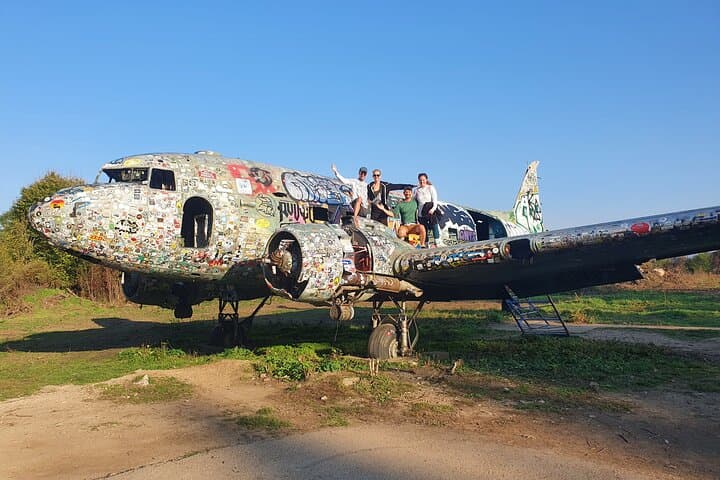
A low wind slices across the empty concrete of the former runway, and a weathered Douglas C-47 sits with its wings spread like an invitation. Guides gather visitors at the plane, hand out flashlights, and the group crosses long, sun-baked tarmac toward a gash in the hillside that hides a 3‑kilometer network of concrete tunnels.
A low wind slices across the empty concrete of the former runway, and a weathered Douglas C-47 sits with its wings spread like an invitation. Guides gather visitors at the plane, hand out flashlights, and the group crosses long, sun-baked tarmac toward a gash in the hillside that hides a 3‑kilometer network of concrete tunnels.
Built during the Cold War on the Croatia–Bosnia border, Zeljava was one of the largest underground military airbases in Europe. Engineers bored hangars and support rooms into the mountain to protect aircraft from attack; during the 1990s the facility was deliberately rendered unusable in the conflicts that ended Yugoslavia. The site’s concrete geometry and ruined infrastructure speak to both Cold War engineering and the human stories of divided colleagues and rapid political collapse.
Visitors will see aircraft relics, maintenance bays and cavernous hangars while a guide recounts construction methods, operational routines and personal anecdotes from former staff. Above ground, the runways frame open views toward karst hills and the forests that feed the nearby Plitvice Lakes; underground, tunnels hold a cool, damp silence that demands steady footing.
Practical notes: tours cover uneven ground and 3 km of walking in low light—sturdy shoes, a working headlamp, and comfortable layers matter. The company provides flashlights but bring a spare. The route is accessible in most weather since much of the walk is inside, but it’s not recommended for pregnant visitors or those with severe claustrophobia. Respect the site: avoid touching unstable structures and pack out trash.