THE ADVENTURE COLLECTIVE® · Independent discovery and booking for outdoor travel

Walk into Europe’s largest freshwater aquarium and follow a man-made river through habitats from the Amazon to the Ebro. This practical guide highlights what to expect—timing, accessibility, and tips to make the most of a 90–120 minute visit.
Walk into Europe’s largest freshwater aquarium and follow a man-made river through habitats from the Amazon to the Ebro. This practical guide highlights what to expect—timing, accessibility, and tips to make the most of a 90–120 minute visit.
You step inside and the air cools; a slow, green light moves across a wall of glass as the Great River World presses through the building like a knowing current. The Fluvial Aquarium of Zaragoza was designed to make rivers speak—the Amazon's heavy troughs, the Nile's broad channels and the local Ebro's quieter stretches each claim their own volume of water and story.
Verified experiences and guided adventures in the surrounding area.
Operated by Nuevo Acuario de Zaragoza. SL · Zaragoza, Aragón
You step inside and the air cools; a slow, green light moves across a wall of glass as the Great River World presses through the building like a knowing current. The Fluvial Aquarium of Zaragoza was designed to make rivers speak—the Amazon's heavy troughs, the Nile's broad channels and the local Ebro's quieter stretches each claim their own volume of water and story.
Built as part of Zaragoza's Expo 2008, the aquarium interprets fluvial systems rather than ocean reefs. Exhibits trace geological and hydrological origins—glaciers feeding headwaters, sediment-carved valleys and floodplain soils—while displays place cultural uses of rivers alongside species lists from the Nile, Mekong, Amazon and Murray-Darling. The architecture guides you: long tanks that mimic flow, stacked volumes that lift smaller biomes above larger currents, and a sophisticated water-treatment center humming below.
Practical side: plan 90–120 minutes, more if you linger at the terrace restaurant on the third floor for river views. Mobile skip-the-line tickets save time; the site is fully wheelchair and stroller accessible. Wear comfortable shoes for gentle ramps and bring a refillable bottle—the aquarium supports tap refills to reduce plastic. Weekends and summer afternoons are busiest; early morning visits are quieter and better for photographing large tanks without glare. Children must be accompanied by an adult, and flash photography is discouraged to avoid stressing fish.
The visit balances spectacle and education: tanks that make currents feel alive, panels that explain human impacts on rivers, and a working purification system that reminds visitors the exhibit depends on careful stewardship.
easy.
1.5–2 hours.
Suitable for all fitness levels; involves slow walking and several ramps but no strenuous sections
Expect 90–120 minutes for the main route; add time if you dine at the terrace or join an interpretive talk.
Yes—the aquarium and its transportation options are wheelchair accessible; elevators and ramped routes connect exhibits.
Yes—there is a restaurant on the third floor with a terrace and views; casual snacks are also available at onsite outlets.
No—flash is discouraged near tanks to avoid stressing fish; low-light photography without flash is preferred.
Opened as part of Zaragoza's Expo 2008, the Fluvial Aquarium was conceived to showcase river ecosystems and their cultural importance across continents.
The aquarium operates advanced water purification systems and runs educational programs focused on river conservation and reducing single-use plastics.
Nuevo Acuario de Zaragoza. SL operates guided outdoor trips and adventures with an emphasis on safety, stewardship, and memorable experiences.
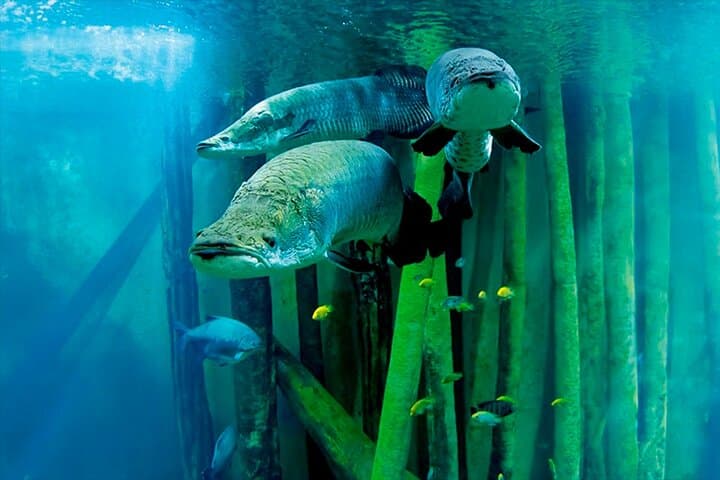
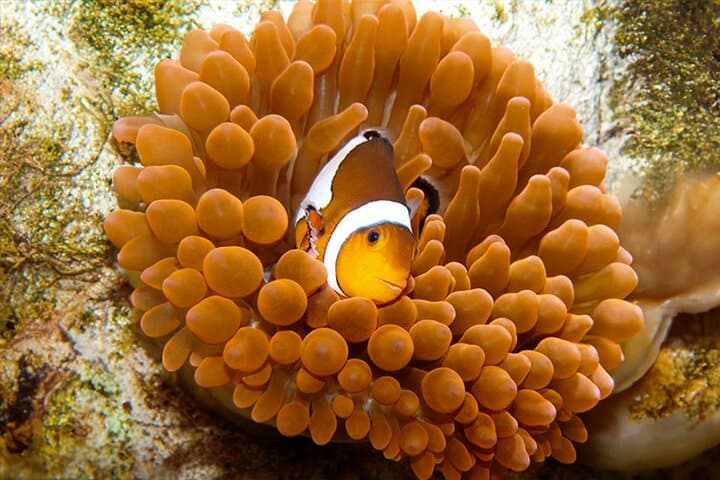
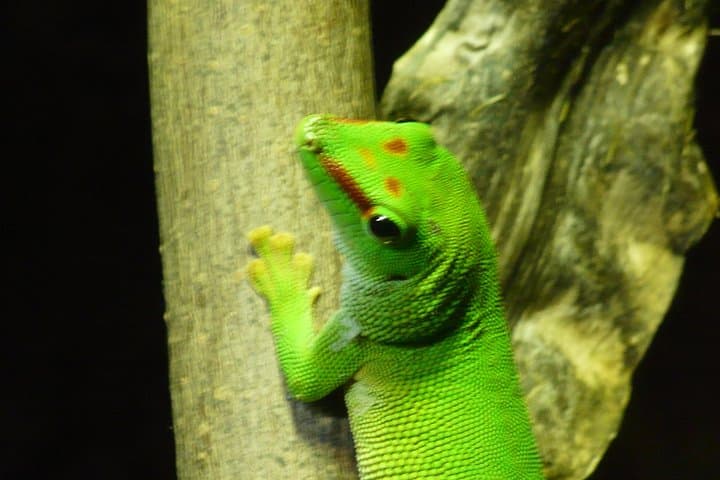
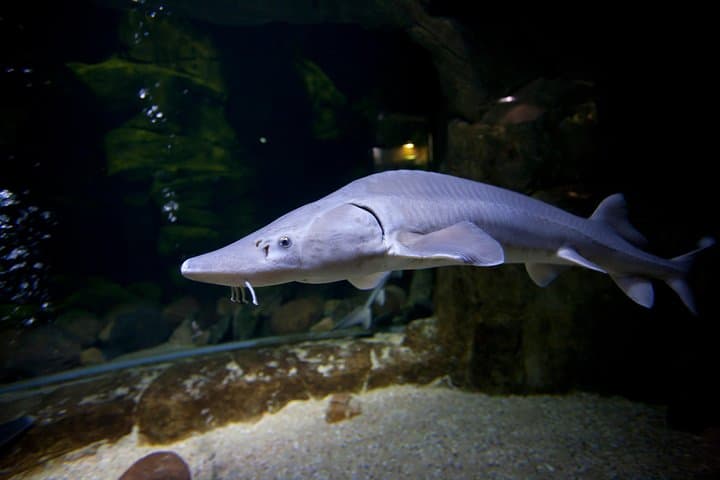
You step inside and the air cools; a slow, green light moves across a wall of glass as the Great River World presses through the building like a knowing current. The Fluvial Aquarium of Zaragoza was designed to make rivers speak—the Amazon's heavy troughs, the Nile's broad channels and the local Ebro's quieter stretches each claim their own volume of water and story.
You step inside and the air cools; a slow, green light moves across a wall of glass as the Great River World presses through the building like a knowing current. The Fluvial Aquarium of Zaragoza was designed to make rivers speak—the Amazon's heavy troughs, the Nile's broad channels and the local Ebro's quieter stretches each claim their own volume of water and story.
Built as part of Zaragoza's Expo 2008, the aquarium interprets fluvial systems rather than ocean reefs. Exhibits trace geological and hydrological origins—glaciers feeding headwaters, sediment-carved valleys and floodplain soils—while displays place cultural uses of rivers alongside species lists from the Nile, Mekong, Amazon and Murray-Darling. The architecture guides you: long tanks that mimic flow, stacked volumes that lift smaller biomes above larger currents, and a sophisticated water-treatment center humming below.
Practical side: plan 90–120 minutes, more if you linger at the terrace restaurant on the third floor for river views. Mobile skip-the-line tickets save time; the site is fully wheelchair and stroller accessible. Wear comfortable shoes for gentle ramps and bring a refillable bottle—the aquarium supports tap refills to reduce plastic. Weekends and summer afternoons are busiest; early morning visits are quieter and better for photographing large tanks without glare. Children must be accompanied by an adult, and flash photography is discouraged to avoid stressing fish.
The visit balances spectacle and education: tanks that make currents feel alive, panels that explain human impacts on rivers, and a working purification system that reminds visitors the exhibit depends on careful stewardship.