THE ADVENTURE COLLECTIVE® · Independent discovery and booking for outdoor travel

A 2–3 hour walk through working spice gardens that pairs botanical close-ups with local history and fruit tastings. Ideal for travelers seeking an accessible, sensory introduction to Zanzibar’s agricultural traditions.
A 2–3 hour walk through working spice gardens that pairs botanical close-ups with local history and fruit tastings. Ideal for travelers seeking an accessible, sensory introduction to Zanzibar’s agricultural traditions.
Morning light filters through towering clove and cinnamon trees as the van eases onto a dirt lane and the scent of crushed cardamom rises with each step. The Spice Tour in Zanzibar is a compact, sensory-focused half day—2–3 hours of walking through smallholder plots where vanilla vines curl around posts, turmeric stains the soil, and black pepper strings like beads on a vine.
Verified experiences and guided adventures in the surrounding area.
Operated by Suncoast Zanzibar Tours · Stone Town, Zanzibar
Morning light filters through towering clove and cinnamon trees as the van eases onto a dirt lane and the scent of crushed cardamom rises with each step. The Spice Tour in Zanzibar is a compact, sensory-focused half day—2–3 hours of walking through smallholder plots where vanilla vines curl around posts, turmeric stains the soil, and black pepper strings like beads on a vine.
Zanzibar’s spice gardens sit on coral-derived soils that have supported food crops and trade for centuries. From the 18th century Omani plantations to contemporary family-run farms, spices shaped the island’s economy and culture; guides connect botanical notes to coastal history and the role of spices in local cuisine and medicine.
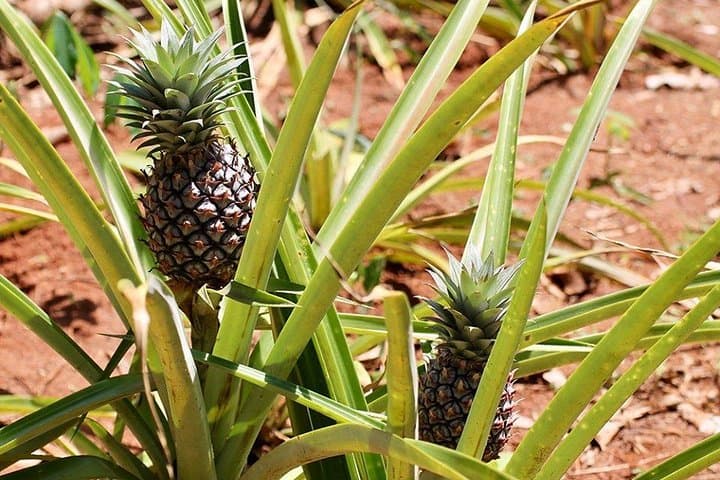
This is not a strenuous hike but a close-reading of landscape: footpaths between mixed plantations, shady groves of ylang-ylang, and roadside fruit stalls offering madafu (young coconut) and ripe pineapples. Expect birds and occasional fruit bats; the walk highlights how species and crops coexist on small plots.
Practical guidance: wear closed-toe walking shoes and light, breathable clothing; bring sun protection and a reusable water bottle. Tours usually include hotel pickup in Stone Town by air-conditioned vehicle and are wheelchair-friendly where noted, but uneven ground can be slippery after rain. Morning departures avoid midday heat and deliver the best fruit-tasting. Bring small local currency for tips or to buy fresh spices and preserves—purchases support local farmers. The experience blends short, easy walking with cultural context, ideal for travelers who want a grounded, edible introduction to Zanzibar’s landscape and history.
easy.
2–3 hours.
Suitable for most fitness levels; requires short periods of standing and walking on uneven ground.
Most tours run about 2–3 hours including transport; the walking portion is roughly one hour with stops for tasting and explanations.
Many operators list wheelchair-accessible options and provide accessible transport, but some plantation paths are uneven—check in advance if you need full accessibility.
Yes—guides typically offer samples of seasonal fruits, fresh spices, and sometimes prepared dishes using local ingredients.
Private tours commonly include hotel pickup in Stone Town by air-conditioned vehicle; confirm your pickup point when booking.
Spice cultivation and trade were central to Zanzibar’s economy from the 18th century onward, shaped by Omani, Swahili, and colonial influences.
Support smallholder farms by buying directly and avoiding products that harm native habitat; many farms practice mixed cropping that benefits biodiversity.
Suncoast Zanzibar Tours operates guided outdoor trips and adventures with an emphasis on safety, stewardship, and memorable experiences.
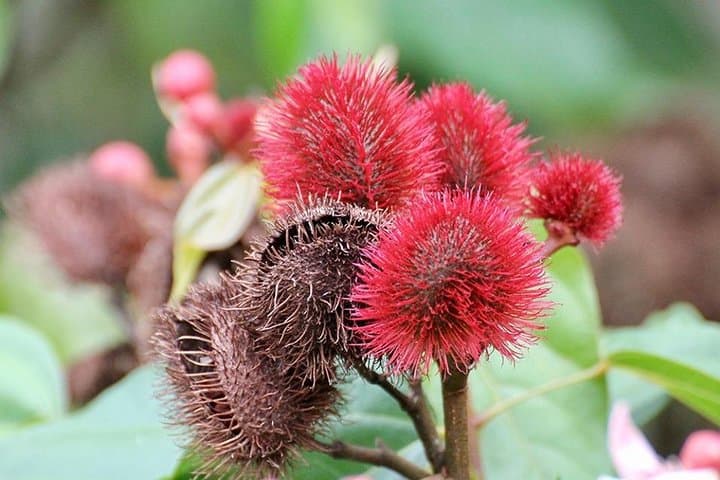
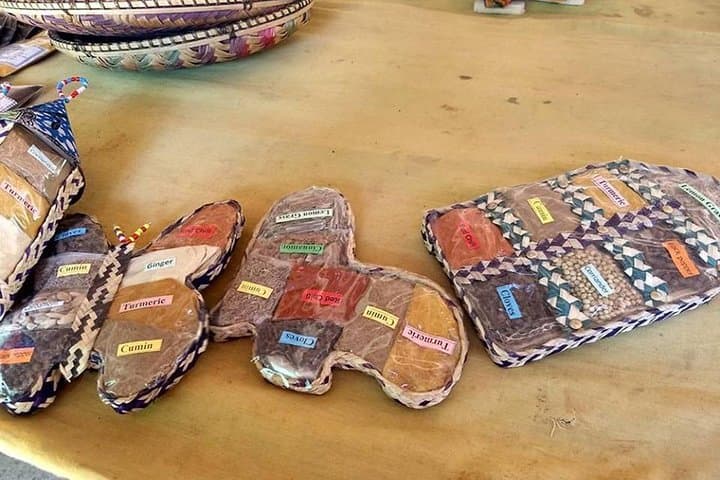
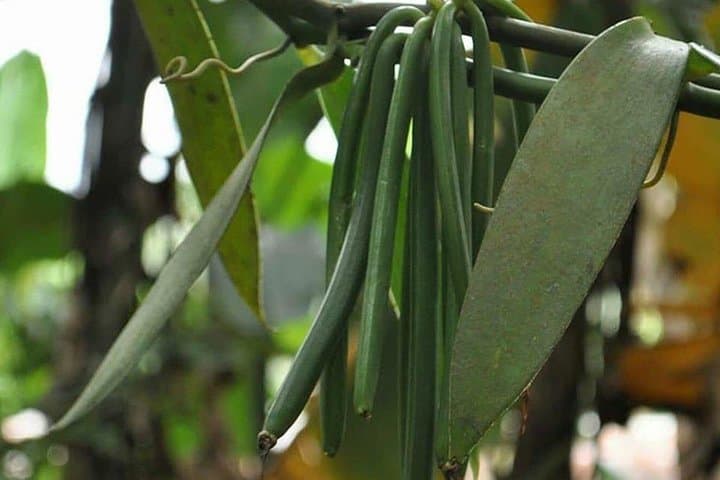
Morning light filters through towering clove and cinnamon trees as the van eases onto a dirt lane and the scent of crushed cardamom rises with each step. The Spice Tour in Zanzibar is a compact, sensory-focused half day—2–3 hours of walking through smallholder plots where vanilla vines curl around posts, turmeric stains the soil, and black pepper strings like beads on a vine.
Morning light filters through towering clove and cinnamon trees as the van eases onto a dirt lane and the scent of crushed cardamom rises with each step. The Spice Tour in Zanzibar is a compact, sensory-focused half day—2–3 hours of walking through smallholder plots where vanilla vines curl around posts, turmeric stains the soil, and black pepper strings like beads on a vine.
Zanzibar’s spice gardens sit on coral-derived soils that have supported food crops and trade for centuries. From the 18th century Omani plantations to contemporary family-run farms, spices shaped the island’s economy and culture; guides connect botanical notes to coastal history and the role of spices in local cuisine and medicine.
This is not a strenuous hike but a close-reading of landscape: footpaths between mixed plantations, shady groves of ylang-ylang, and roadside fruit stalls offering madafu (young coconut) and ripe pineapples. Expect birds and occasional fruit bats; the walk highlights how species and crops coexist on small plots.
Practical guidance: wear closed-toe walking shoes and light, breathable clothing; bring sun protection and a reusable water bottle. Tours usually include hotel pickup in Stone Town by air-conditioned vehicle and are wheelchair-friendly where noted, but uneven ground can be slippery after rain. Morning departures avoid midday heat and deliver the best fruit-tasting. Bring small local currency for tips or to buy fresh spices and preserves—purchases support local farmers. The experience blends short, easy walking with cultural context, ideal for travelers who want a grounded, edible introduction to Zanzibar’s landscape and history.