THE ADVENTURE COLLECTIVE® · Independent discovery and booking for outdoor travel

Walk behind the scenes of Britain’s longest-occupied royal residence on a private 3‑hour tour that includes Windsor Castle’s State Apartments and St George’s Chapel. Small-group pacing and a professional guide make this a concise, heritage-focused introduction to royal Windsor.
Walk behind the scenes of Britain’s longest-occupied royal residence on a private 3‑hour tour that includes Windsor Castle’s State Apartments and St George’s Chapel. Small-group pacing and a professional guide make this a concise, heritage-focused introduction to royal Windsor.
Morning light slides down the stone of Windsor’s long façades as a private guide leads a small group through narrow streets toward the castle gate. The approach tightens focus: red-brick inns give way to battlements where carved coats of arms and arrow slits mark centuries of ceremonial life. Inside, State Apartments open like a mapped history of monarchy — portraits, suits of armour, and the meticulous detail of Queen Mary’s doll’s house draw equal parts curiosity and quiet.
Verified experiences and guided adventures in the surrounding area.
Operated by Travel Curious · Windsor, Berkshire
Morning light slides down the stone of Windsor’s long façades as a private guide leads a small group through narrow streets toward the castle gate. The approach tightens focus: red-brick inns give way to battlements where carved coats of arms and arrow slits mark centuries of ceremonial life. Inside, State Apartments open like a mapped history of monarchy — portraits, suits of armour, and the meticulous detail of Queen Mary’s doll’s house draw equal parts curiosity and quiet.
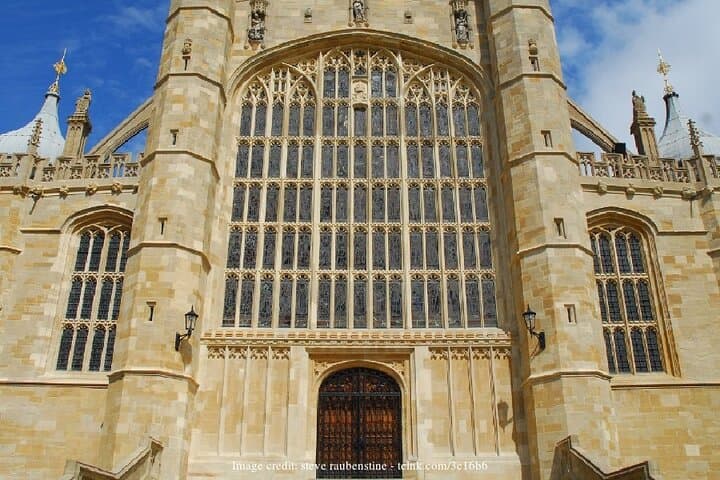
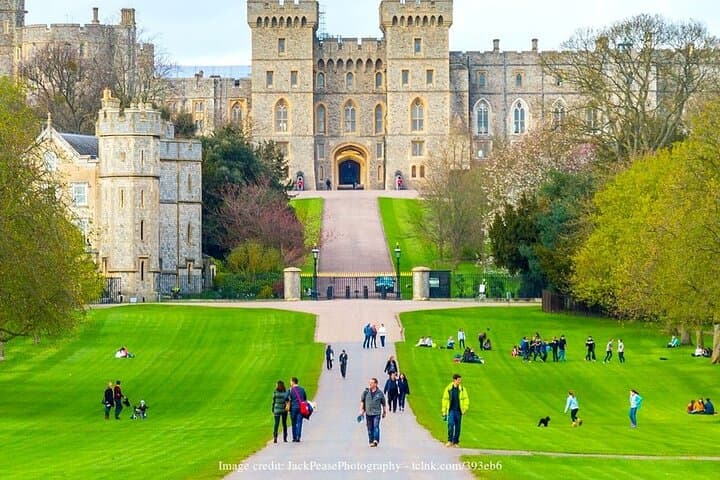
Windsor Castle began as a Norman fortification under William the Conqueror and later evolved into a royal residence and ceremonial center. Geologically, the castle perches on gently rolling Thames terrace gravels; views along the Long Walk emphasize the parkland sculpted for hunting and processions. Culturally, Windsor functions as both private family home and public heritage site — St George’s Chapel holds tombs of monarchs and the memory of recent royal events.
Practical guidance: expect about three hours on foot with multiple staircases and some uneven stone floors. Photography is welcome in many areas but restricted in certain rooms and services; follow guide directions. Wear sturdy walking shoes and a light waterproof—the British weather changes quickly. Allow time for security screening and keep your admission ticket handy: the tour includes castle entry but small groups move at a steady pace to balance access with preservation. Early or late-day bookings reduce crowds and improve light for external views. For visitors with mobility concerns, the tour lists wheelchair-accessible options but advance notice helps staff prepare. This is a focused cultural walk — part history primer, part living heritage experience, best enjoyed with curiosity and practical gear.
moderate.
3 hours.
Participants should be able to stand and walk for up to three hours, manage several flights of stairs, and handle uneven stone surfaces.
Yes — the tour includes Windsor Castle admission as part of the booking, so you will not need to buy tickets separately.
The listing notes wheelchair-accessible options; contact the operator before booking to arrange ramps or alternative routing where available.
Large bags may be subject to additional security checks and could be restricted in certain rooms; pack light when possible.
Yes — the guide will lead you through key areas of the chapel, but some sections may be closed during services or private events, with alternative viewing provided.
Windsor Castle originated as a Norman motte-and-bailey under William the Conqueror and has been continuously occupied by British monarchs since the 11th century; St George’s Chapel is the burial site of several monarchs and hosted recent royal ceremonies.
High visitor numbers require active conservation: follow rope lines, avoid touching historic surfaces, and use marked pathways in Windsor Great Park to limit erosion and protect veteran trees.
Travel Curious operates guided outdoor trips and adventures with an emphasis on safety, stewardship, and memorable experiences.
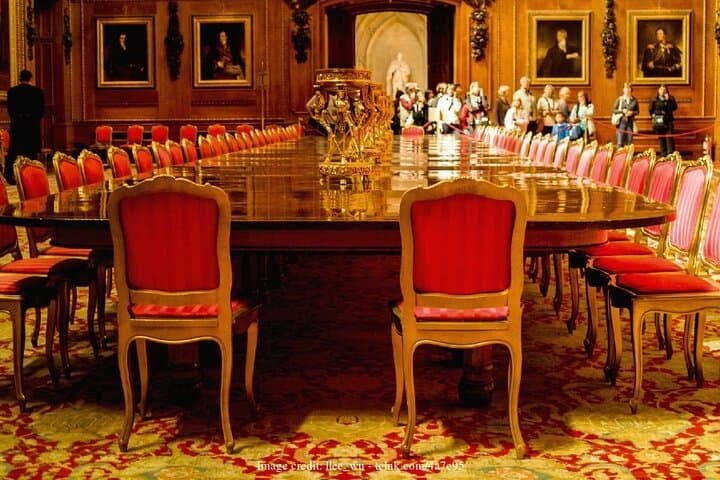
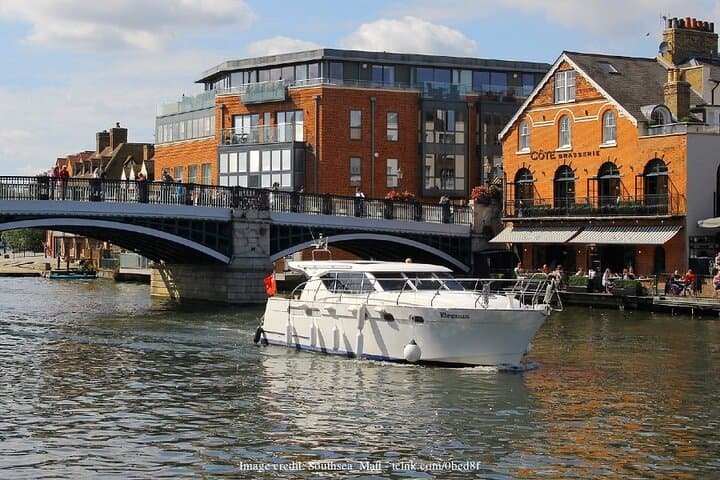
Morning light slides down the stone of Windsor’s long façades as a private guide leads a small group through narrow streets toward the castle gate. The approach tightens focus: red-brick inns give way to battlements where carved coats of arms and arrow slits mark centuries of ceremonial life. Inside, State Apartments open like a mapped history of monarchy — portraits, suits of armour, and the meticulous detail of Queen Mary’s doll’s house draw equal parts curiosity and quiet.
Morning light slides down the stone of Windsor’s long façades as a private guide leads a small group through narrow streets toward the castle gate. The approach tightens focus: red-brick inns give way to battlements where carved coats of arms and arrow slits mark centuries of ceremonial life. Inside, State Apartments open like a mapped history of monarchy — portraits, suits of armour, and the meticulous detail of Queen Mary’s doll’s house draw equal parts curiosity and quiet.
Windsor Castle began as a Norman fortification under William the Conqueror and later evolved into a royal residence and ceremonial center. Geologically, the castle perches on gently rolling Thames terrace gravels; views along the Long Walk emphasize the parkland sculpted for hunting and processions. Culturally, Windsor functions as both private family home and public heritage site — St George’s Chapel holds tombs of monarchs and the memory of recent royal events.
Practical guidance: expect about three hours on foot with multiple staircases and some uneven stone floors. Photography is welcome in many areas but restricted in certain rooms and services; follow guide directions. Wear sturdy walking shoes and a light waterproof—the British weather changes quickly. Allow time for security screening and keep your admission ticket handy: the tour includes castle entry but small groups move at a steady pace to balance access with preservation. Early or late-day bookings reduce crowds and improve light for external views. For visitors with mobility concerns, the tour lists wheelchair-accessible options but advance notice helps staff prepare. This is a focused cultural walk — part history primer, part living heritage experience, best enjoyed with curiosity and practical gear.