THE ADVENTURE COLLECTIVE® · Independent discovery and booking for outdoor travel

Step into a West London apiary to observe an active observation hive, suit up for a hands-on inspection of different hive types, and finish with a curated honey tasting. This two-hour introduction covers ethical beekeeping, hive designs and what makes urban honey unique.
Step into a West London apiary to observe an active observation hive, suit up for a hands-on inspection of different hive types, and finish with a curated honey tasting. This two-hour introduction covers ethical beekeeping, hive designs and what makes urban honey unique.
A small garden gate opens onto a compact West London apiary where a confident hum fills the air—bees busy as commuters, frames sliding like pages in a living book. Guests gather at an observation hive first, peering through glass at worker bees tracing invisible lanes, then suit up and move outside to inspect Warre, top-bar and national-standard hives under a guide’s steady hand.
Verified experiences and guided adventures in the surrounding area.
Operated by Ali Alzein · London, England
A small garden gate opens onto a compact West London apiary where a confident hum fills the air—bees busy as commuters, frames sliding like pages in a living book. Guests gather at an observation hive first, peering through glass at worker bees tracing invisible lanes, then suit up and move outside to inspect Warre, top-bar and national-standard hives under a guide’s steady hand.
Beekeeping in London bridges old rural craft and modern urban ecology. Rooftop and garden apiaries have expanded in the last two decades, responding to pollinator declines and local food interest. The patchwork of soil types, nearby parks and flowering gardens gives city honey varied floral notes; a single jar may tell the story of a street, a park or a commuter rail corridor.
Culturally, Londoners value small-scale producers—this experience emphasizes ethical beekeeping, colony health and seasonal management rather than commercial extraction. Expect discussion of queen rearing, swarm prevention and how different hive designs influence inspection technique.
Practically, the two-hour session blends presentation, hands-on hive inspection and a honey-tasting finale. Participants should be able to stand and walk short distances; suits and gloves are provided. Avoid strong scents, bring closed-toe shoes and follow the guide’s instructions when handling frames. Morning slots are cooler and calmer at the hive; late afternoon sessions can be busier with returning foragers.
For first-time visitors this is an accessible introduction to apiculture—informative, tactile and surprisingly urban. It’s ideal for curious travelers, small groups, and anyone wanting a close-up look at the insects that quietly power city landscapes.
easy.
2 hours.
Suitable for all fitness levels; involves short walks, standing and light lifting when assisting with frames.
Yes—suits and gloves are provided and used for all hands-on hive inspections to minimize stings and protect both guests and bees.
Yes—children can participate but must be supervised; organizers typically restrict very young children from close handling for safety.
This tour is not suitable for anyone with a known anaphylactic allergy; discuss options with the operator before booking and carry an epinephrine auto-injector if advised by a doctor.
Most hosts offer a tasting during the session and may sell small jars of honey—check with the guide ahead of time if you want to purchase on-site.
Beekeeping has long roots in Britain; urban apiaries grew in popularity in London during the late 20th and early 21st centuries as conservation and local-food movements expanded.
Urban beekeeping can support pollinator awareness, but operators emphasize habitat improvement for wild pollinators and responsible colony management to avoid stressing local bee populations.
Ali Alzein operates guided outdoor trips and adventures with an emphasis on safety, stewardship, and memorable experiences.
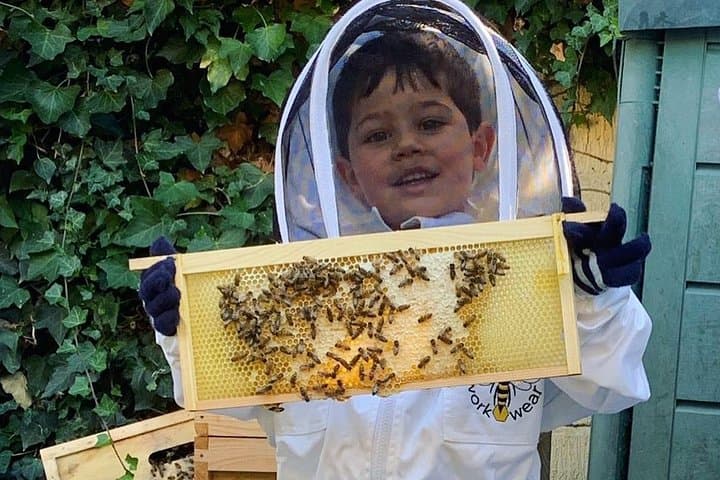
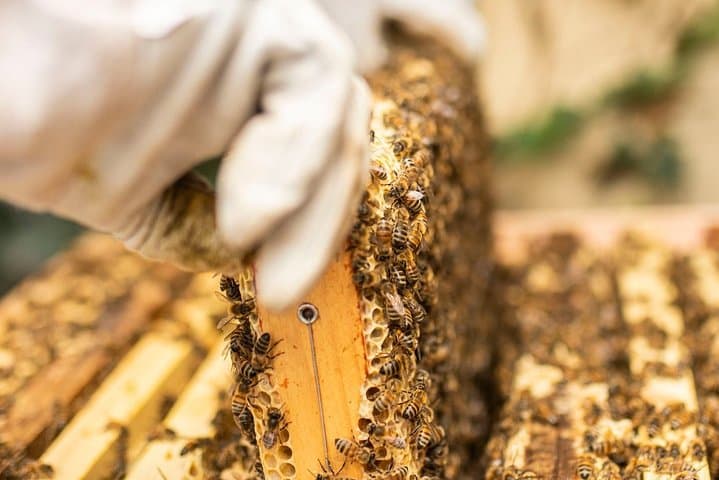
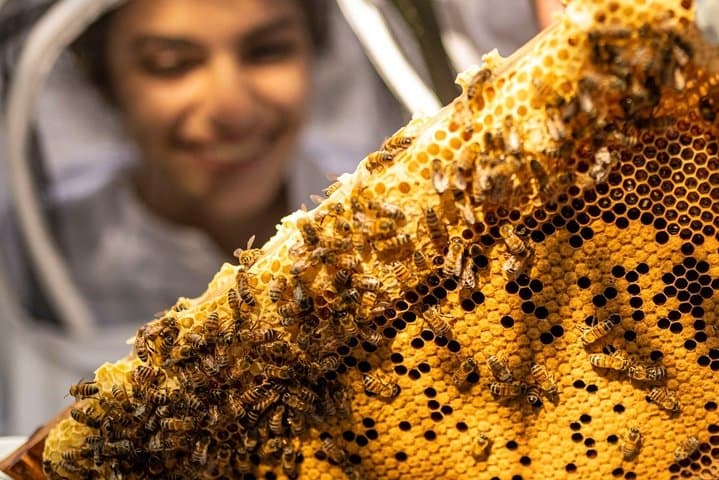
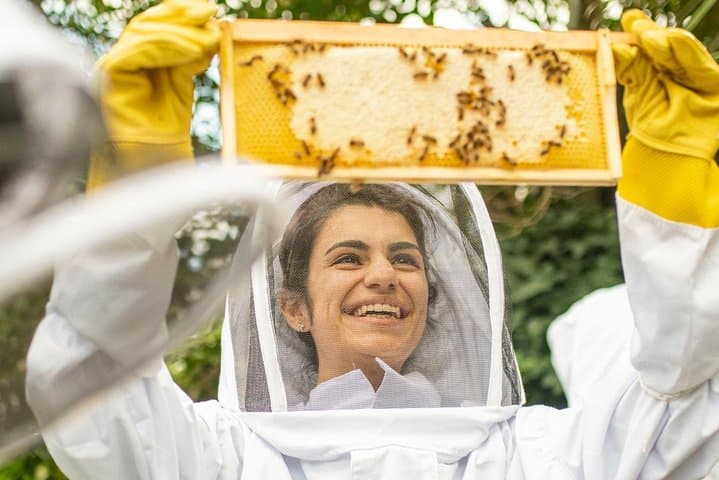
A small garden gate opens onto a compact West London apiary where a confident hum fills the air—bees busy as commuters, frames sliding like pages in a living book. Guests gather at an observation hive first, peering through glass at worker bees tracing invisible lanes, then suit up and move outside to inspect Warre, top-bar and national-standard hives under a guide’s steady hand.
A small garden gate opens onto a compact West London apiary where a confident hum fills the air—bees busy as commuters, frames sliding like pages in a living book. Guests gather at an observation hive first, peering through glass at worker bees tracing invisible lanes, then suit up and move outside to inspect Warre, top-bar and national-standard hives under a guide’s steady hand.
Beekeeping in London bridges old rural craft and modern urban ecology. Rooftop and garden apiaries have expanded in the last two decades, responding to pollinator declines and local food interest. The patchwork of soil types, nearby parks and flowering gardens gives city honey varied floral notes; a single jar may tell the story of a street, a park or a commuter rail corridor.
Culturally, Londoners value small-scale producers—this experience emphasizes ethical beekeeping, colony health and seasonal management rather than commercial extraction. Expect discussion of queen rearing, swarm prevention and how different hive designs influence inspection technique.
Practically, the two-hour session blends presentation, hands-on hive inspection and a honey-tasting finale. Participants should be able to stand and walk short distances; suits and gloves are provided. Avoid strong scents, bring closed-toe shoes and follow the guide’s instructions when handling frames. Morning slots are cooler and calmer at the hive; late afternoon sessions can be busier with returning foragers.
For first-time visitors this is an accessible introduction to apiculture—informative, tactile and surprisingly urban. It’s ideal for curious travelers, small groups, and anyone wanting a close-up look at the insects that quietly power city landscapes.