THE ADVENTURE COLLECTIVE® · Independent discovery and booking for outdoor travel

Walk from the Library of Congress to the Supreme Court and the US Capitol with a guide who unwraps the buildings’ architecture, landmark rulings, and hidden corners. Reserved passes and small-group size mean timed access and deeper context.
Walk from the Library of Congress to the Supreme Court and the US Capitol with a guide who unwraps the buildings’ architecture, landmark rulings, and hidden corners. Reserved passes and small-group size mean timed access and deeper context.
The tour begins at Neptune Fountain outside the Library of Congress, where the city’s stone and bronze draw you into a compact corridor of power. Guides arrive early with blue name badges and a clear rhythm—one block, one security line, one story rolled into the next—so the morning moves with purpose.
Verified experiences and guided adventures in the surrounding area.
Operated by Unscripted Tours · Washington, District of Columbia
The tour begins at Neptune Fountain outside the Library of Congress, where the city’s stone and bronze draw you into a compact corridor of power. Guides arrive early with blue name badges and a clear rhythm—one block, one security line, one story rolled into the next—so the morning moves with purpose.
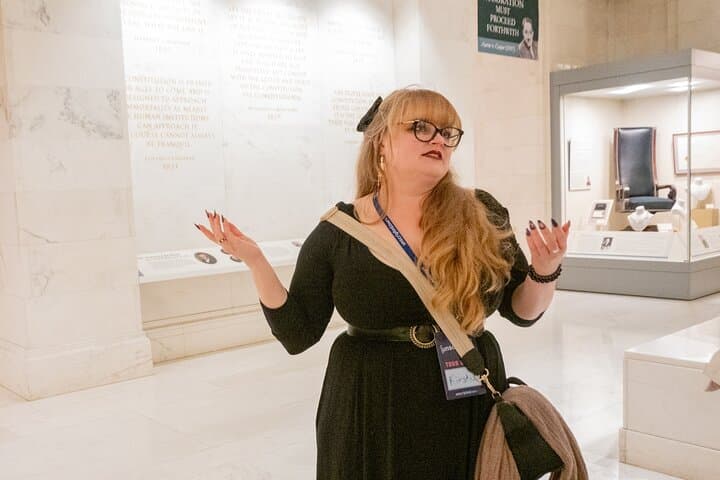
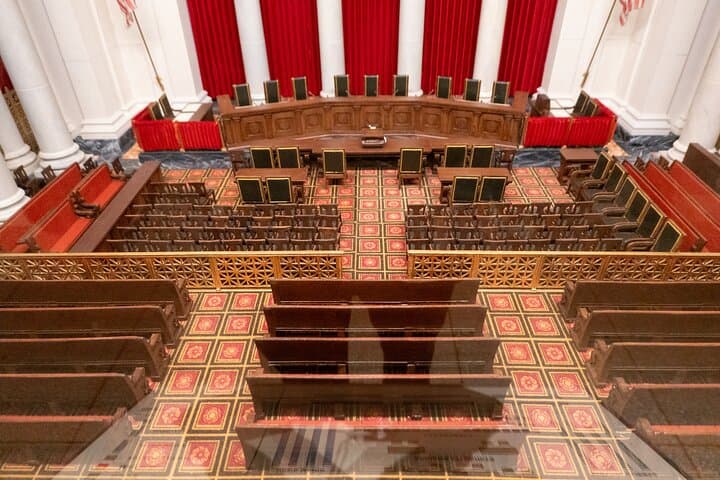
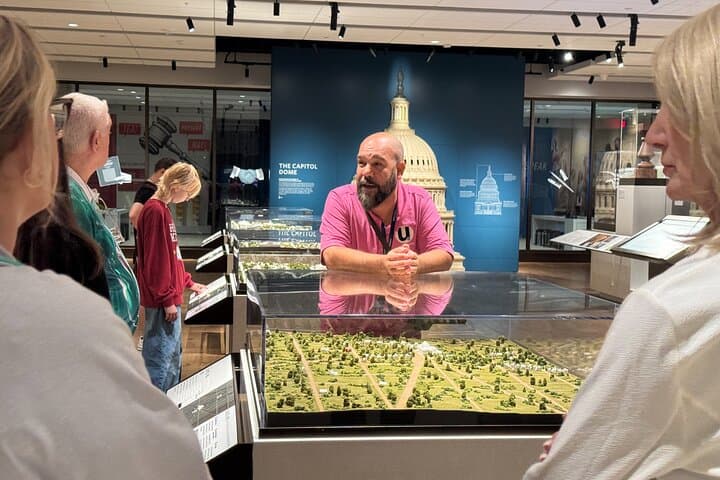
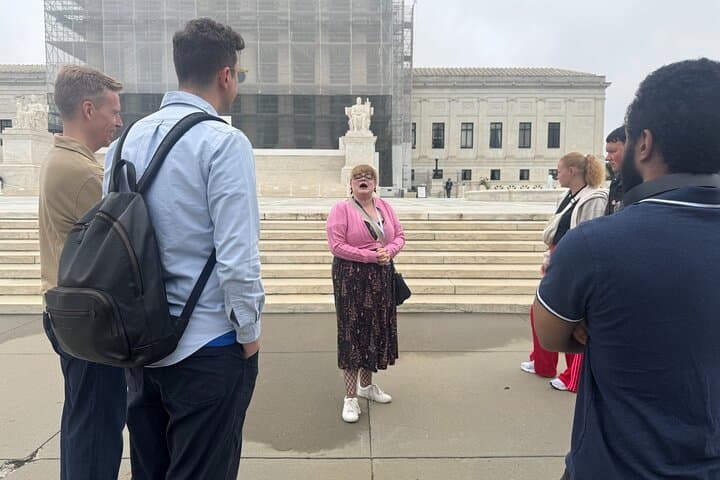
You’ll step from the Jefferson Building’s marble into the Supreme Court’s columned façade and hear how a courthouse built in the 1930s houses an institution born in 1789. The guide frames the building’s carved symbolism and then leads you inside to discuss landmark cases, notable justices, and the courtroom routines that shape law. Later, the Capitol’s dome and Brumidi Corridors unfold: murals, mosaics, and chambers that reflect expansion from 1793 to the present.
This is civic architecture and urban history in motion—politics mapped in stone, and stories tied to the United States’ legislative and judicial evolution. Expect brisk walking, timed security entries, and small-group discussion (max ~15) that prioritizes access and context.
Practical notes: arrive 15–30 minutes early at the Neptune Fountain; bring government ID; be prepared for metal screening. Many federal buildings ban liquids, large bags, and sharp objects—pack light and leave bottles outside before you enter. Use Capitol South Metro or Union Station for convenient access and plan for limited nearby parking. Comfortable shoes, a light jacket, and a charged phone for photos between stops will keep the morning moving smoothly.
easy.
2–3 hours.
Suitable for most fitness levels; expect up to an hour of standing and several short walks between sites (under 2 miles total).
Bags larger than 18"x14"x8.5" are not permitted in the Capitol; many federal buildings also prohibit liquids and food—pack small or leave items elsewhere.
Yes—sites and routes are wheelchair accessible, but notify the operator of special requirements when booking to ensure smooth entry arrangements.
Photography policies vary by room; in general, photography is allowed in many public spaces but follow staff guidance and restricted-area rules during the tour.
Tours begin on schedule and enter buildings together; late arrivals may be denied entry due to timed reservations—arrive 15–30 minutes early to avoid this.
The US Capitol’s cornerstone was laid in 1793 and has been rebuilt and expanded; the Supreme Court as an institution dates to 1789, with its current courthouse completed in the 1930s.
These sites are heavily managed for preservation—follow paths, avoid touching surfaces, and travel light to reduce wear and streamline security checks.
Unscripted Tours operates guided outdoor trips and adventures with an emphasis on safety, stewardship, and memorable experiences.
The tour begins at Neptune Fountain outside the Library of Congress, where the city’s stone and bronze draw you into a compact corridor of power. Guides arrive early with blue name badges and a clear rhythm—one block, one security line, one story rolled into the next—so the morning moves with purpose.
The tour begins at Neptune Fountain outside the Library of Congress, where the city’s stone and bronze draw you into a compact corridor of power. Guides arrive early with blue name badges and a clear rhythm—one block, one security line, one story rolled into the next—so the morning moves with purpose.
You’ll step from the Jefferson Building’s marble into the Supreme Court’s columned façade and hear how a courthouse built in the 1930s houses an institution born in 1789. The guide frames the building’s carved symbolism and then leads you inside to discuss landmark cases, notable justices, and the courtroom routines that shape law. Later, the Capitol’s dome and Brumidi Corridors unfold: murals, mosaics, and chambers that reflect expansion from 1793 to the present.
This is civic architecture and urban history in motion—politics mapped in stone, and stories tied to the United States’ legislative and judicial evolution. Expect brisk walking, timed security entries, and small-group discussion (max ~15) that prioritizes access and context.
Practical notes: arrive 15–30 minutes early at the Neptune Fountain; bring government ID; be prepared for metal screening. Many federal buildings ban liquids, large bags, and sharp objects—pack light and leave bottles outside before you enter. Use Capitol South Metro or Union Station for convenient access and plan for limited nearby parking. Comfortable shoes, a light jacket, and a charged phone for photos between stops will keep the morning moving smoothly.