THE ADVENTURE COLLECTIVE® · Independent discovery and booking for outdoor travel

Explore Venice’s squeri on a two-hour walk that visits traditional boatyards, studies the forcola and voga alla veneta, and ends with a local gondola ferry across the Grand Canal. Learn centuries-old craft and see lagoon boats still used by residents.
Explore Venice’s squeri on a two-hour walk that visits traditional boatyards, studies the forcola and voga alla veneta, and ends with a local gondola ferry across the Grand Canal. Learn centuries-old craft and see lagoon boats still used by residents.
Morning light fractures across narrow canals as you step off the beaten path and into the world of the squeri — Venice’s working boatyards. Wooden hulls lean against damp timbers, craftsmen sand with practiced rhythm, and the smell of tar and fresh-cut wood hangs in the air. This two-hour walk threads between small courtyards that slope to the water, bringing you close to the last makers who build and repair the boats Venetians have used for centuries.
Verified experiences and guided adventures in the surrounding area.
Operated by deTourist Venice Valerio Coppo · Venice, Veneto
Morning light fractures across narrow canals as you step off the beaten path and into the world of the squeri — Venice’s working boatyards. Wooden hulls lean against damp timbers, craftsmen sand with practiced rhythm, and the smell of tar and fresh-cut wood hangs in the air. This two-hour walk threads between small courtyards that slope to the water, bringing you close to the last makers who build and repair the boats Venetians have used for centuries.
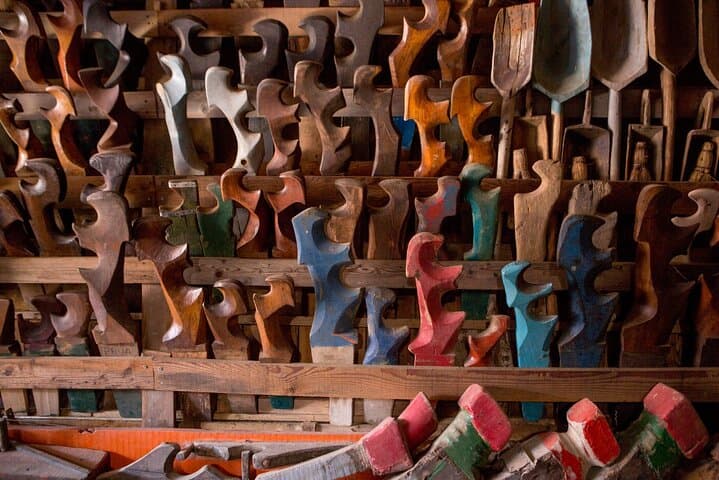
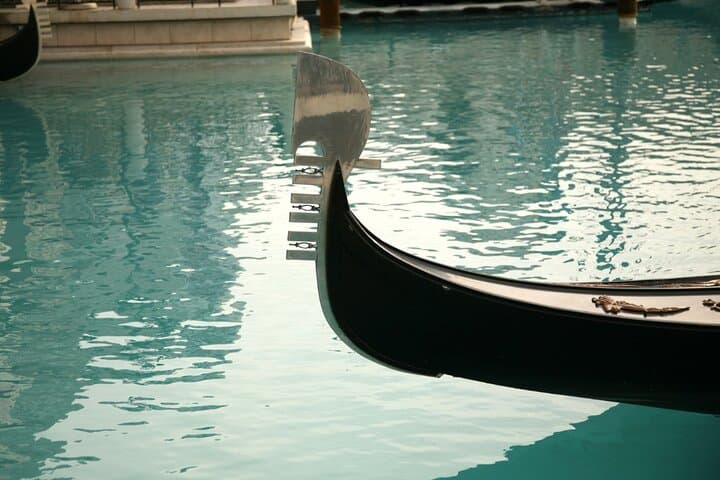
The squeri date back to the Republic of Venice; many yards along Dorsoduro and the Fondamenta still follow 17th-century methods. You’ll learn why the forcola — the uniquely curved Venetian oarlock — is carved to permit multiple points of control, and how voga alla veneta (standing, forward-facing rowing) keeps narrow canals navigable. The gondola’s form and the variety of lagoon craft — sandolo, sandolo da paranza, mascareta and more — reflect materials, purpose, and the shallow, changeable channels of the lagoon.
Practical guidance: the route is flat but uneven — stone bridges and narrow calli require steady footing; expect about two hours with short stops for demonstration. A short gondola ferry crossing on the Grand Canal is included, offering a glimpse of local commuting rather than tourist spectacle. Bring comfortable walking shoes, a light rain layer for sudden acqua alta or showers, and a small bottle of water. Travel lightly and respectfully — these are active workplaces. Timing your visit in the calmer morning hours increases the chance of watching boatbuilders at work and keeps crowds to a minimum.
easy.
2 hours.
Appropriate for most fitness levels; requires ability to walk on uneven stone surfaces and climb short stairways.
A gondola ferry across the Grand Canal (used by locals) is included as part of the route; this is a short crossing rather than a private gondola tour.
The tour notes stroller access for infants and small children, but many Venetian routes include bridges and uneven surfaces; wheelchair access is limited—check with the operator for point-specific arrangements.
Yes — the itinerary visits active squeri and typically includes demonstrations of forcola carving and explanations of voga alla veneta when craftsmen are present.
Some visitors outside Venice may need to pay a municipal entrance fee on certain dates; check local regulations and the operator’s booking page for current details.
Squeri have served Venice since the early modern period; many yards still use techniques passed down through generations to build and maintain lagoon craft.
The Venice lagoon is ecologically sensitive—avoid littering, keep noise low around working yards and follow guidance to protect both cultural heritage and fragile waterways.
deTourist Venice Valerio Coppo operates guided outdoor trips and adventures with an emphasis on safety, stewardship, and memorable experiences.
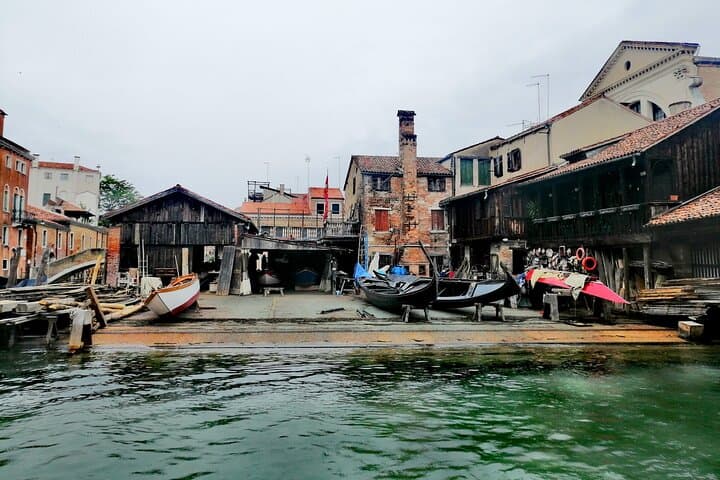
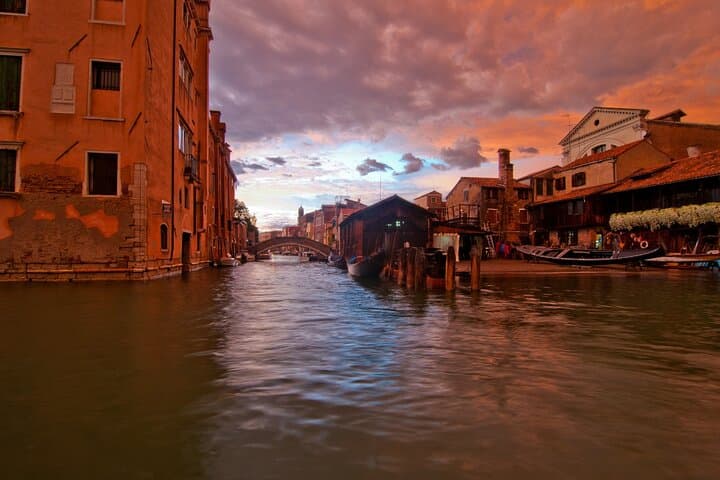
Morning light fractures across narrow canals as you step off the beaten path and into the world of the squeri — Venice’s working boatyards. Wooden hulls lean against damp timbers, craftsmen sand with practiced rhythm, and the smell of tar and fresh-cut wood hangs in the air. This two-hour walk threads between small courtyards that slope to the water, bringing you close to the last makers who build and repair the boats Venetians have used for centuries.
Morning light fractures across narrow canals as you step off the beaten path and into the world of the squeri — Venice’s working boatyards. Wooden hulls lean against damp timbers, craftsmen sand with practiced rhythm, and the smell of tar and fresh-cut wood hangs in the air. This two-hour walk threads between small courtyards that slope to the water, bringing you close to the last makers who build and repair the boats Venetians have used for centuries.
The squeri date back to the Republic of Venice; many yards along Dorsoduro and the Fondamenta still follow 17th-century methods. You’ll learn why the forcola — the uniquely curved Venetian oarlock — is carved to permit multiple points of control, and how voga alla veneta (standing, forward-facing rowing) keeps narrow canals navigable. The gondola’s form and the variety of lagoon craft — sandolo, sandolo da paranza, mascareta and more — reflect materials, purpose, and the shallow, changeable channels of the lagoon.
Practical guidance: the route is flat but uneven — stone bridges and narrow calli require steady footing; expect about two hours with short stops for demonstration. A short gondola ferry crossing on the Grand Canal is included, offering a glimpse of local commuting rather than tourist spectacle. Bring comfortable walking shoes, a light rain layer for sudden acqua alta or showers, and a small bottle of water. Travel lightly and respectfully — these are active workplaces. Timing your visit in the calmer morning hours increases the chance of watching boatbuilders at work and keeps crowds to a minimum.