THE ADVENTURE COLLECTIVE® · Independent discovery and booking for outdoor travel

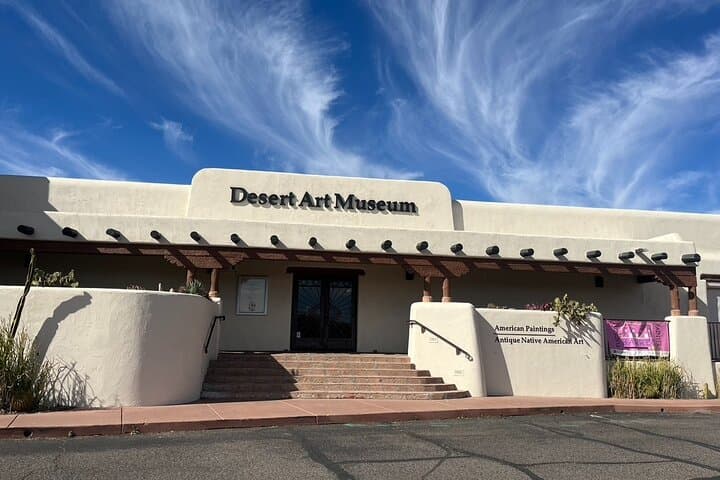
Beat the heat with a 90-minute dive into the art and craft of the Sonoran region. From borderland contemporary works to Navajo dye-making demonstrations, this museum offers focused cultural context and accessible exhibits.
Beat the heat with a 90-minute dive into the art and craft of the Sonoran region. From borderland contemporary works to Navajo dye-making demonstrations, this museum offers focused cultural context and accessible exhibits.
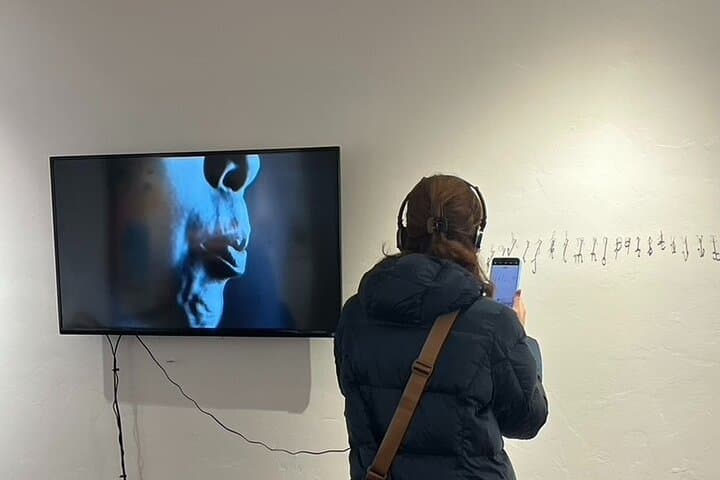
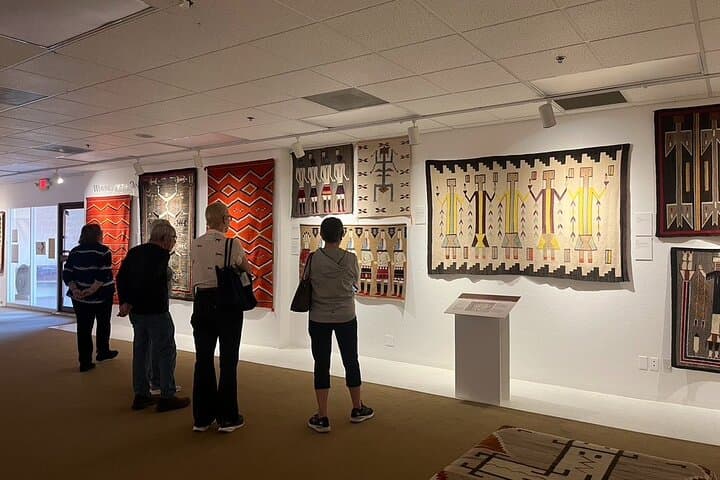
You step from the heat into cool gallery light—the dry air of Tucson stays at the edges while pigment and textile fill the room. Exhibits like “Cruzando La Linea: Contemporary Art in the Borderlands” and “Colors to Dye For: The Mysterious World of Navajo Dye-Making” place visitors face-to-face with artworks that respond to desert light, migration, and material craft.
Verified experiences and guided adventures in the surrounding area.
Operated by Tucson Desert Art Museum · Tucson, Arizona
You step from the heat into cool gallery light—the dry air of Tucson stays at the edges while pigment and textile fill the room. Exhibits like “Cruzando La Linea: Contemporary Art in the Borderlands” and “Colors to Dye For: The Mysterious World of Navajo Dye-Making” place visitors face-to-face with artworks that respond to desert light, migration, and material craft.
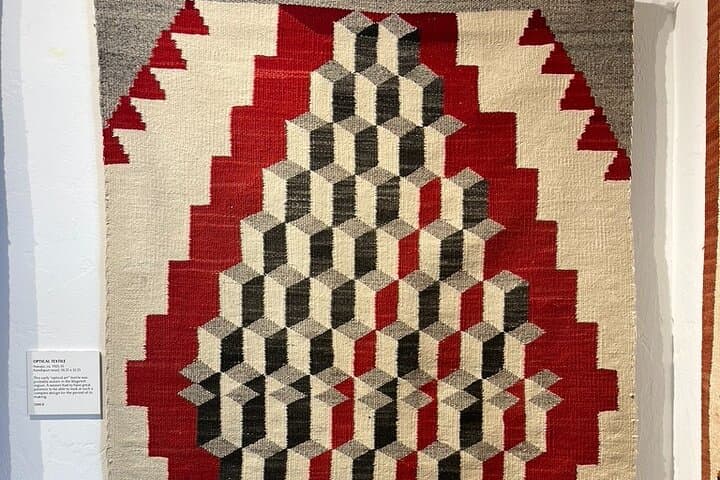
The museum interprets the cultural geography of the Sonoran region: Indigenous dye techniques, cross-border narratives, and contemporary voices that reference local geology—sandstone hues, mineral pigments, and plant-based dyes collected from creosote and prickly pear. Tucson’s long history as a crossroads of Indigenous, Spanish, Mexican and Anglo cultures shows in both the objects and their stories.
Practical guidance: exhibitions typically take 60–90 minutes; the ticket grants skip-the-line access and is valid Wednesday–Saturday. Galleries are wheelchair and stroller accessible; service animals are permitted. Peak visitation is midday on weekends—arrive at opening for quieter viewing and better light for photography. Wear comfortable shoes for standing and slow walking, and carry a small water bottle to drink between galleries—Tucson’s heat returns the moment you step outside. Check exhibit rotations and ID requirements before you go; the museum accepts mobile or paper tickets and advises cancelling at least 24 hours in advance for refunds. Expect interpretive labels, occasional artist talks, and hands-on demonstrations during special programming—these deepen understanding of technique and context for each piece.
Whether you’re tracing pigment sources or studying contemporary borderland narratives, the visit combines tactile craft history with immediate, place-based art that rewards focused time.
easy.
1–1.5 hours.
Suitable for all fitness levels; involves standing and slow walking between galleries
The museum is open Wednesday through Saturday; check the museum’s calendar for exact opening and closing times and special-event hours.
Tickets are for a fixed-duration visit (about 90 minutes) with skip-the-line access and the museum accepts mobile or paper tickets.
Yes—galleries are wheelchair and stroller accessible; service animals are permitted.
Only service animals are allowed inside; food is generally not permitted in gallery spaces—use designated café or outdoor areas if available.
Tucson has long been a cultural crossroads where Indigenous, Spanish, Mexican and American influences meet; local museums often foreground Indigenous knowledge and material traditions.
Museums in the region emphasize ethical sourcing and stewardship of cultural materials; visitors are encouraged to follow handling rules and support programs that collaborate with Indigenous communities.
Tucson Desert Art Museum operates guided outdoor trips and adventures with an emphasis on safety, stewardship, and memorable experiences.
You step from the heat into cool gallery light—the dry air of Tucson stays at the edges while pigment and textile fill the room. Exhibits like “Cruzando La Linea: Contemporary Art in the Borderlands” and “Colors to Dye For: The Mysterious World of Navajo Dye-Making” place visitors face-to-face with artworks that respond to desert light, migration, and material craft.
You step from the heat into cool gallery light—the dry air of Tucson stays at the edges while pigment and textile fill the room. Exhibits like “Cruzando La Linea: Contemporary Art in the Borderlands” and “Colors to Dye For: The Mysterious World of Navajo Dye-Making” place visitors face-to-face with artworks that respond to desert light, migration, and material craft.
The museum interprets the cultural geography of the Sonoran region: Indigenous dye techniques, cross-border narratives, and contemporary voices that reference local geology—sandstone hues, mineral pigments, and plant-based dyes collected from creosote and prickly pear. Tucson’s long history as a crossroads of Indigenous, Spanish, Mexican and Anglo cultures shows in both the objects and their stories.
Practical guidance: exhibitions typically take 60–90 minutes; the ticket grants skip-the-line access and is valid Wednesday–Saturday. Galleries are wheelchair and stroller accessible; service animals are permitted. Peak visitation is midday on weekends—arrive at opening for quieter viewing and better light for photography. Wear comfortable shoes for standing and slow walking, and carry a small water bottle to drink between galleries—Tucson’s heat returns the moment you step outside. Check exhibit rotations and ID requirements before you go; the museum accepts mobile or paper tickets and advises cancelling at least 24 hours in advance for refunds. Expect interpretive labels, occasional artist talks, and hands-on demonstrations during special programming—these deepen understanding of technique and context for each piece.
Whether you’re tracing pigment sources or studying contemporary borderland narratives, the visit combines tactile craft history with immediate, place-based art that rewards focused time.