THE ADVENTURE COLLECTIVE® · Independent discovery and booking for outdoor travel

TRP's club nights turn Dublin venues into high-impact electronic playgrounds with mapped projections, international DJs, and an inclusive crowd. Read on for what the scene feels like, the city's musical context, and practical tips to make the most of a five-hour rave night.
TRP's club nights turn Dublin venues into high-impact electronic playgrounds with mapped projections, international DJs, and an inclusive crowd. Read on for what the scene feels like, the city's musical context, and practical tips to make the most of a five-hour rave night.
The bass arrives before the crowd — a low, steady push that moves through the pavement and into the soles of your shoes as you step toward the door. Inside, mapped projections blur the edges of the room, lights slice through suspended haze, and dancers form a single roving organism under a stage built for impact.
Verified experiences and guided adventures in the surrounding area.
Operated by TRP · Dublin, County Dublin
The bass arrives before the crowd — a low, steady push that moves through the pavement and into the soles of your shoes as you step toward the door. Inside, mapped projections blur the edges of the room, lights slice through suspended haze, and dancers form a single roving organism under a stage built for impact.
Dublin's nightlife sits where the River Liffey meets an industrial past; old warehouses and music venues along the quays were repurposed into spaces that host electronic events. The city's long musical culture — from trad sessions to punk and later electronic scenes — informs the energy you find at TRP nights: international DJs, genre-hopping sets, and a crowd that comes for both sound and spectacle. Geologically the city is compact, carved by the Liffey and backed by low coastal plains, which concentrates nightlife into walkable districts with dense transit options.
Expect a production-led show: mapped stage projections, festival-style decorations, and loud, continuous sets running through the night. The vibe skews inclusive and international; many events explicitly welcome LGBTQ+ clubbers and visitors from abroad.
Practical guidance: arrive with a printed or mobile ticket, carry ID (you will be checked), and plan transport — late-night buses and taxis are the norm. Earplugs are highly recommended; cloakroom service may be seasonal. Dress for crowded standing-room conditions: breathable layers and comfortable shoes. If you have accessibility needs, venues often provide wheelchair access but confirm before you go. Hydrate before and between drinks, keep your phone charged, and agree on a meetup spot in case your group splits. This is nightlife built for immersion — come ready to listen, move, and navigate a packed, high-energy room.
easy.
5 hours.
No special fitness required, but expect extended standing and dancing—basic stamina helps for late nights.
Doors typically open in the evening with headline sets running later into the night; expect a full program across the advertised 5-hour duration.
Venues enforce local licensing—bring ID; many clubs are 18+ or 21+ depending on the night and bar rules.
Many TRP-hosted venues advertise wheelchair access and accessible transport routes, but confirm with the organiser for specific assistance needs beforehand.
Bars are usually open with standard drink options; most accept cards but having a small amount of cash can speed transactions.
Dublin's contemporary club scene grew from venues and warehouse parties repurposed from the city's maritime and industrial districts; the electronic scene expanded notably from the 1990s onward.
Nightlife generates energy use and waste—choose venues with recycling and minimise single-use plastics; take public transport or shared rides to reduce local emissions.
TRP operates guided outdoor trips and adventures with an emphasis on safety, stewardship, and memorable experiences.

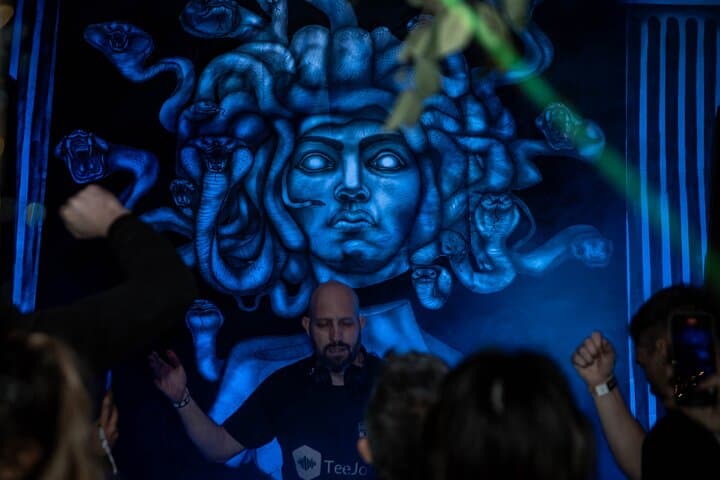


The bass arrives before the crowd — a low, steady push that moves through the pavement and into the soles of your shoes as you step toward the door. Inside, mapped projections blur the edges of the room, lights slice through suspended haze, and dancers form a single roving organism under a stage built for impact.
The bass arrives before the crowd — a low, steady push that moves through the pavement and into the soles of your shoes as you step toward the door. Inside, mapped projections blur the edges of the room, lights slice through suspended haze, and dancers form a single roving organism under a stage built for impact.
Dublin's nightlife sits where the River Liffey meets an industrial past; old warehouses and music venues along the quays were repurposed into spaces that host electronic events. The city's long musical culture — from trad sessions to punk and later electronic scenes — informs the energy you find at TRP nights: international DJs, genre-hopping sets, and a crowd that comes for both sound and spectacle. Geologically the city is compact, carved by the Liffey and backed by low coastal plains, which concentrates nightlife into walkable districts with dense transit options.
Expect a production-led show: mapped stage projections, festival-style decorations, and loud, continuous sets running through the night. The vibe skews inclusive and international; many events explicitly welcome LGBTQ+ clubbers and visitors from abroad.
Practical guidance: arrive with a printed or mobile ticket, carry ID (you will be checked), and plan transport — late-night buses and taxis are the norm. Earplugs are highly recommended; cloakroom service may be seasonal. Dress for crowded standing-room conditions: breathable layers and comfortable shoes. If you have accessibility needs, venues often provide wheelchair access but confirm before you go. Hydrate before and between drinks, keep your phone charged, and agree on a meetup spot in case your group splits. This is nightlife built for immersion — come ready to listen, move, and navigate a packed, high-energy room.