THE ADVENTURE COLLECTIVE® · Independent discovery and booking for outdoor travel

Traverse Transylvania’s medieval citadels, Saxon villages and the famed Transfagarasan road in four days. This guided small‑group tour blends castle visits, cultural walking tours and a high‑mountain drive for a compact taste of Romania’s Carpathians.
Traverse Transylvania’s medieval citadels, Saxon villages and the famed Transfagarasan road in four days. This guided small‑group tour blends castle visits, cultural walking tours and a high‑mountain drive for a compact taste of Romania’s Carpathians.
You step out in Bucharest as the city exhales morning traffic, then the pines take over: four days of stone keeps, Saxon villages and one of Europe’s most dramatic mountain roads. Day one runs up into the Bucegi and Fagaras foothills—Peles Palace’s carved woodwork and Bran Castle’s sheer rock perch frame the first impressions. By dusk you’re in Sighisoara, where narrow medieval lanes slope toward a 500‑year‑old clock tower.
Verified experiences and guided adventures in the surrounding area.
Operated by One Excellence Tours · Bucharest, Bucharest
You step out in Bucharest as the city exhales morning traffic, then the pines take over: four days of stone keeps, Saxon villages and one of Europe’s most dramatic mountain roads. Day one runs up into the Bucegi and Fagaras foothills—Peles Palace’s carved woodwork and Bran Castle’s sheer rock perch frame the first impressions. By dusk you’re in Sighisoara, where narrow medieval lanes slope toward a 500‑year‑old clock tower.
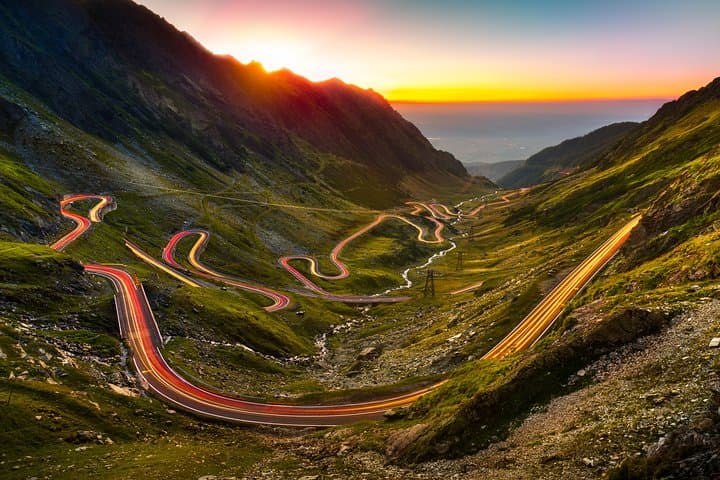
This route stitches together Transylvania’s layered past: Habsburg and Saxon town planning in Sibiu, fortified churches in Viscri and Biertan, and Alba Iulia’s unification citadel. Geologically the trip moves from low, rolling Transylvanian plains into the Fagaras Massif; if the Transfagarasan pass is open (typically July–October) you’ll climb to roughly 2,000 m on serpentine asphalt with summit viewpoints that expose glacial cirques and long, exposed ridgelines.
Expect a mix of driving and short urban walks—daily travel blocks of roughly 2–5 hours—plus stair climbs and uneven cobbles. Guides coordinate logistics and ticketing; group size is small (max 8). Practicalities: carry local currency (RON), bring layered clothing for mountain winds, solid footwear for castle steps and village paths, and plan arrival in Bucharest with some buffer for seasonal road changes. If Peles is closed on certain weekdays during your dates, the guide will adapt the sequence. This tour balances cultural depth with high‑country scenery: an immersive, well‑paced introduction to Transylvania’s history and its high roads.
moderate.
4 days.
Good general fitness for walking city centers, climbing castle stairs and short mountain viewpoints; able to manage several hours of seated driving each day.
The tour price typically excludes entrance fees; your guide will assist with purchasing tickets at each stop and indicate which sites require payment.
The Transfagarasan is usually open from July through October depending on snow melt and maintenance; outside that window the itinerary follows the Olt Valley route instead.
No: the itinerary includes castle staircases, uneven cobbles and some short uphill walks; it’s not recommended for travelers with significant mobility restrictions or serious heart/spinal conditions.
Expect 2–5 hours of driving on travel days with multiple short walking tours (30–120 minutes) at sights each day; plan for standing and stair climbing during visits.
Transylvania’s Saxon communities established fortified churches and citadels from the 12th century onward; Alba Iulia later became the ceremonial site for Romania’s 1918 unification.
The Carpathians host sensitive alpine habitats and grazing landscapes—stay on designated viewpoints, avoid disturbing wildlife and use local services to support small rural economies.
One Excellence Tours operates guided outdoor trips and adventures with an emphasis on safety, stewardship, and memorable experiences.
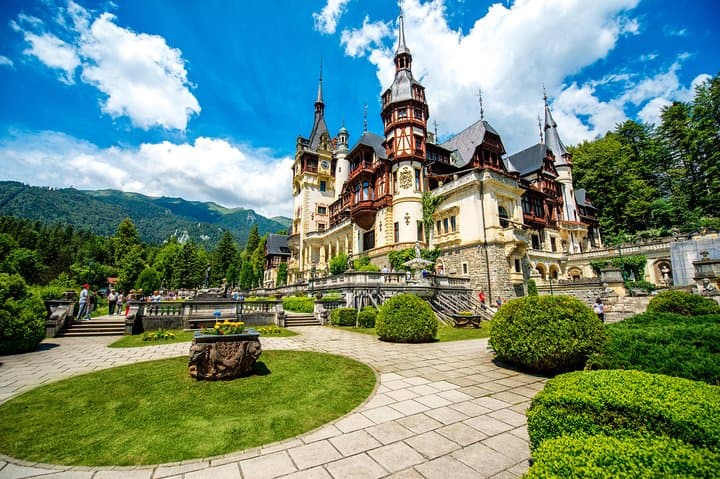


You step out in Bucharest as the city exhales morning traffic, then the pines take over: four days of stone keeps, Saxon villages and one of Europe’s most dramatic mountain roads. Day one runs up into the Bucegi and Fagaras foothills—Peles Palace’s carved woodwork and Bran Castle’s sheer rock perch frame the first impressions. By dusk you’re in Sighisoara, where narrow medieval lanes slope toward a 500‑year‑old clock tower.
You step out in Bucharest as the city exhales morning traffic, then the pines take over: four days of stone keeps, Saxon villages and one of Europe’s most dramatic mountain roads. Day one runs up into the Bucegi and Fagaras foothills—Peles Palace’s carved woodwork and Bran Castle’s sheer rock perch frame the first impressions. By dusk you’re in Sighisoara, where narrow medieval lanes slope toward a 500‑year‑old clock tower.
This route stitches together Transylvania’s layered past: Habsburg and Saxon town planning in Sibiu, fortified churches in Viscri and Biertan, and Alba Iulia’s unification citadel. Geologically the trip moves from low, rolling Transylvanian plains into the Fagaras Massif; if the Transfagarasan pass is open (typically July–October) you’ll climb to roughly 2,000 m on serpentine asphalt with summit viewpoints that expose glacial cirques and long, exposed ridgelines.
Expect a mix of driving and short urban walks—daily travel blocks of roughly 2–5 hours—plus stair climbs and uneven cobbles. Guides coordinate logistics and ticketing; group size is small (max 8). Practicalities: carry local currency (RON), bring layered clothing for mountain winds, solid footwear for castle steps and village paths, and plan arrival in Bucharest with some buffer for seasonal road changes. If Peles is closed on certain weekdays during your dates, the guide will adapt the sequence. This tour balances cultural depth with high‑country scenery: an immersive, well‑paced introduction to Transylvania’s history and its high roads.