THE ADVENTURE COLLECTIVE® · Independent discovery and booking for outdoor travel

Explore Transnistria beyond headlines on a 5–9 hour day tour through Tiraspol and Bendery with sketching guide Anton Dendemarchenko. Expect Lenin monuments, a T‑34 tank, local markets, and optional monastery or cognac distillery stops.
Explore Transnistria beyond headlines on a 5–9 hour day tour through Tiraspol and Bendery with sketching guide Anton Dendemarchenko. Expect Lenin monuments, a T‑34 tank, local markets, and optional monastery or cognac distillery stops.
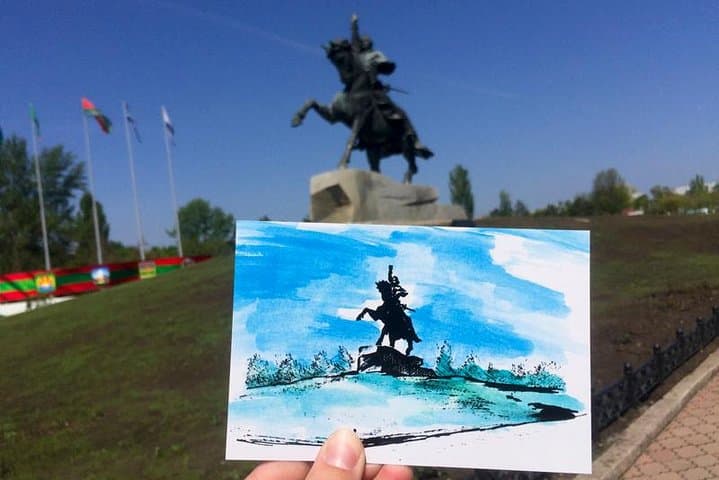
You step off the minivan and the Dniester seems to push the country’s story toward you — broad, patient, a river that has watched empires shift and borders blur. Anton meets you like an old friend, sketchbook under his arm, and the morning moves between faded mosaics, a T‑34 tank guarding a square, and a market where fresh produce is sold with no pretense.
Verified experiences and guided adventures in the surrounding area.
Operated by Anton Dendemarchenko · Tiraspol, Transnistria
You step off the minivan and the Dniester seems to push the country’s story toward you — broad, patient, a river that has watched empires shift and borders blur. Anton meets you like an old friend, sketchbook under his arm, and the morning moves between faded mosaics, a T‑34 tank guarding a square, and a market where fresh produce is sold with no pretense.
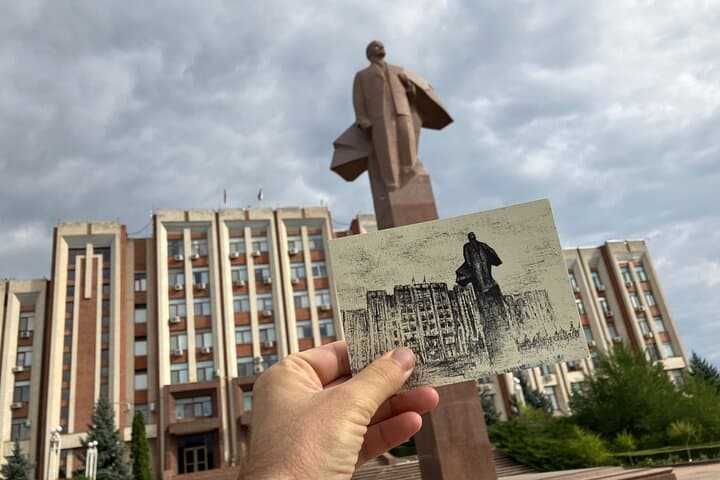
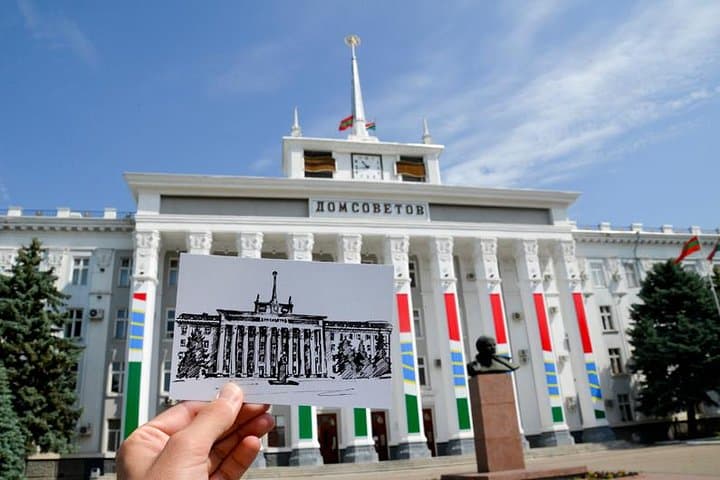
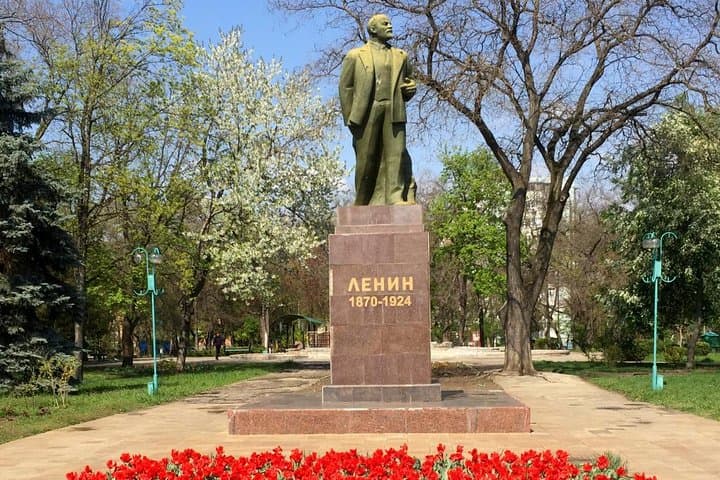
Transnistria (Pridnestrovie) is a Soviet‑era landscape frozen and lived‑in: postwar memorials, Lenin statues, and Brutalist civic buildings sit alongside working distilleries and canteens that still pour kvas in summer. Geologically the region follows the Dniester valley, its terraces giving way to low bluffs and river views from Bendery’s fortress tower. Culturally the visit is a study in contrasts — Russian and Moldovan influences, a breakaway state with its own coins, and everyday life continuing under curious signage and strong coffee.
Expect a flexible 5–9 hour itinerary that mixes short walks and vehicle transfers, optional climbs (fortress tower, bell tower) and a possible cognac distillery visit if scheduled. Bring your passport and local currency; plan for street food or a no‑frills Soviet canteen lunch. Photography is rewarding but be respectful around memorials and military symbols. The guide’s approach is conversational and improvisational — more a companionable exploration than a scripted history lesson. For travelers curious about Cold War remnants, rural monasteries, and unpolished panoramas, this tour is direct, human, and revealing.
easy.
5–9 hours.
Light walking and short flights of steps; suitable for most activity levels though some optional climbs require basic mobility.
Entry requirements depend on your nationality; you’ll need a valid passport—check your embassy guidance and the tour operator will advise on pickup procedures from Chisinau or Tiraspol.
Carry cash for markets, small vendors and some local eateries; larger stops like optional distilleries may accept cards but cash is more reliable.
Tours are generally considered safe; the region is stable day‑to‑day, but political status is sensitive—follow local advice and avoid political demonstrations.
Many central sites and the vehicle are wheelchair accessible, but some older memorials, towers and village streets have steps—check accessibility needs when booking.
Transnistria declared de facto independence after the Soviet Union’s collapse; its central squares and monuments preserve a strong Soviet civic identity that shaped local politics and culture.
Many Soviet‑era structures are aging rather than restored — visitors are encouraged to avoid touching fragile mosaics and to support local businesses rather than strip imagery from sites.
Anton Dendemarchenko operates guided outdoor trips and adventures with an emphasis on safety, stewardship, and memorable experiences.
You step off the minivan and the Dniester seems to push the country’s story toward you — broad, patient, a river that has watched empires shift and borders blur. Anton meets you like an old friend, sketchbook under his arm, and the morning moves between faded mosaics, a T‑34 tank guarding a square, and a market where fresh produce is sold with no pretense.
You step off the minivan and the Dniester seems to push the country’s story toward you — broad, patient, a river that has watched empires shift and borders blur. Anton meets you like an old friend, sketchbook under his arm, and the morning moves between faded mosaics, a T‑34 tank guarding a square, and a market where fresh produce is sold with no pretense.
Transnistria (Pridnestrovie) is a Soviet‑era landscape frozen and lived‑in: postwar memorials, Lenin statues, and Brutalist civic buildings sit alongside working distilleries and canteens that still pour kvas in summer. Geologically the region follows the Dniester valley, its terraces giving way to low bluffs and river views from Bendery’s fortress tower. Culturally the visit is a study in contrasts — Russian and Moldovan influences, a breakaway state with its own coins, and everyday life continuing under curious signage and strong coffee.
Expect a flexible 5–9 hour itinerary that mixes short walks and vehicle transfers, optional climbs (fortress tower, bell tower) and a possible cognac distillery visit if scheduled. Bring your passport and local currency; plan for street food or a no‑frills Soviet canteen lunch. Photography is rewarding but be respectful around memorials and military symbols. The guide’s approach is conversational and improvisational — more a companionable exploration than a scripted history lesson. For travelers curious about Cold War remnants, rural monasteries, and unpolished panoramas, this tour is direct, human, and revealing.