THE ADVENTURE COLLECTIVE® · Independent discovery and booking for outdoor travel

Visit an unrecognized pocket of post-Soviet life, explore Bendery Fortress and Tiraspol’s bold streets, then descend into the world’s vast underground wine galleries at Milestii Mici. This full-day tour pairs history, geology and wine tasting with practical local insights.
Visit an unrecognized pocket of post-Soviet life, explore Bendery Fortress and Tiraspol’s bold streets, then descend into the world’s vast underground wine galleries at Milestii Mici. This full-day tour pairs history, geology and wine tasting with practical local insights.
A low sun slips along the Dniester and the bus eases out of Chișinău toward a place that runs its own clock: Transnistria. By the time you reach Tiraspol the city’s wide boulevards and Soviet-era monuments feel deliberate — a modern regional capital with a complicated past. Later the road dives into earth and the temperature drops as you stand at the mouth of Milestii Mici’s vaulted galleries, where millions of bottles sleep in chalky walls and the air tastes faintly mineral.
Verified experiences and guided adventures in the surrounding area.
Operated by Hi Moldova DMC · Chișinău, Chișinău Municipality
A low sun slips along the Dniester and the bus eases out of Chișinău toward a place that runs its own clock: Transnistria. By the time you reach Tiraspol the city’s wide boulevards and Soviet-era monuments feel deliberate — a modern regional capital with a complicated past. Later the road dives into earth and the temperature drops as you stand at the mouth of Milestii Mici’s vaulted galleries, where millions of bottles sleep in chalky walls and the air tastes faintly mineral.
Historically this corridor has been contested ground; Bender (Bendery) Fortress presents layered stonework from Ottoman and Russian eras, while Tiraspol’s civic architecture reflects 20th-century industrial and political histories. Geologically, the underground winery follows man-made galleries cut into limestone and marl, which creates steady, cellar-like humidity and temperatures ideal for long aging.
Culturally the day mixes post-Soviet civic ritual — parades, monuments, local eateries — with Moldova’s strong wine traditions. Milestii Mici is notable for having one of the largest underground wine collections and a unique microclimate created by its galleries.
Practical guidance: expect a long day (roughly 6–7 hours) with multiple stops, light walking on uneven cellar floors, and limited card acceptance in smaller shops. Bring a passport and copies, layered clothing for the cool cellars, local currency for small purchases, and allow time for photo stops at Bender Fortress and Tiraspol’s central square. The visit pairs straightforward sightseeing with a sensory wine experience — earthy cellars, tactile labels, and three guided tastings — making this a compact cultural loop that’s heavy on atmosphere and light on physical strain.
easy.
6–7 hours.
Suitable for casual walkers; minimal physical exertion required beyond short walks on uneven cellar floors.
Visa rules depend on your nationality; bring your passport and check Moldova’s entry requirements before travel as the region’s status can affect local procedures.
Major sites and larger wineries may accept cards, but small cafes and market stalls often prefer cash — carry local currency for convenience.
Expect light walking: short walks around fortress grounds, city streets, and a guided walk through the underground winery galleries (uneven surfaces, mostly flat).
Yes — the tour includes a guided tasting of three wines at Milestii Mici and a cellar tour of the underground galleries.
The Dniester corridor has layers of Ottoman, Russian Imperial and Soviet influence; Transnistria later declared de facto independence after the Soviet breakup, shaping its distinct civic identity.
The winery’s underground galleries create stable storage with low additional energy use, but visitors should respect cellar rules and avoid litter; support local producers by buying directly from official tasting rooms.
Hi Moldova DMC operates guided outdoor trips and adventures with an emphasis on safety, stewardship, and memorable experiences.
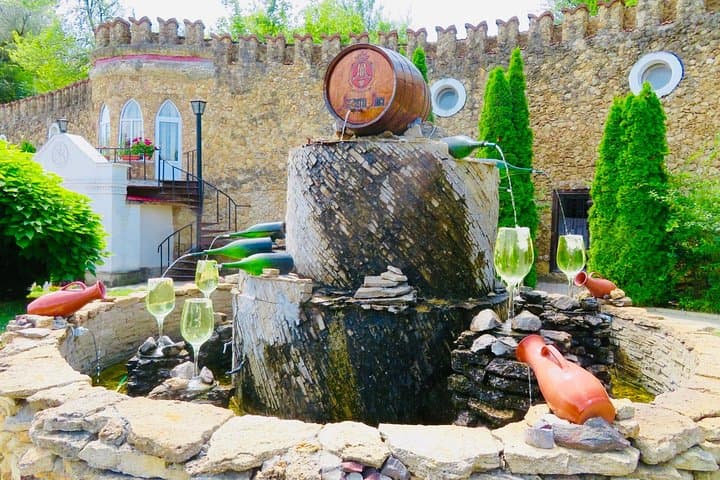
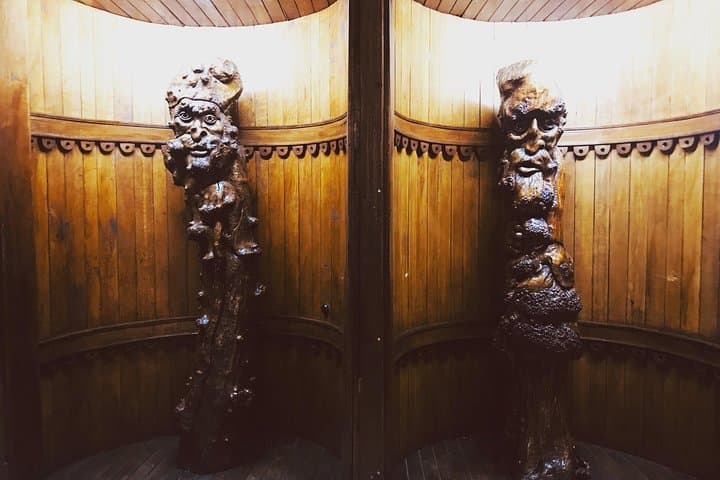
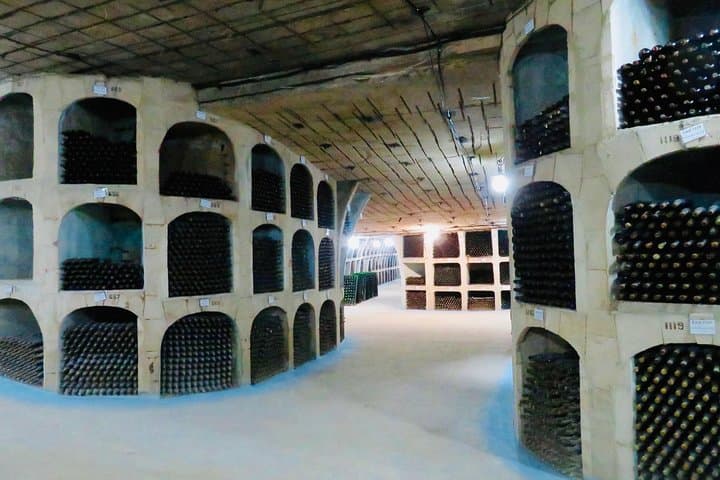
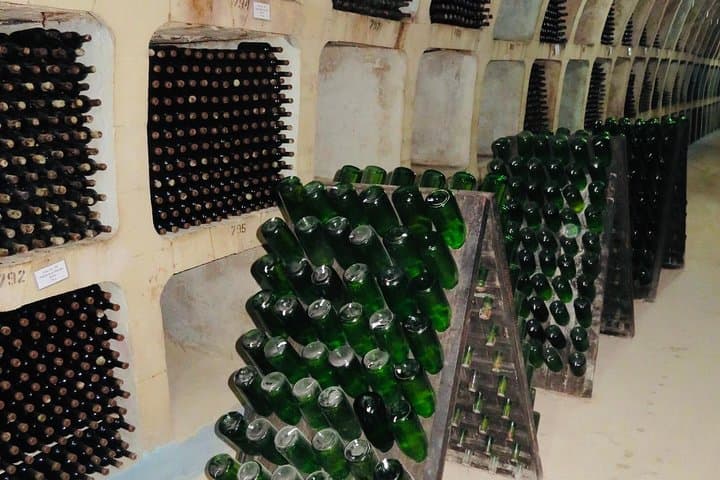
A low sun slips along the Dniester and the bus eases out of Chișinău toward a place that runs its own clock: Transnistria. By the time you reach Tiraspol the city’s wide boulevards and Soviet-era monuments feel deliberate — a modern regional capital with a complicated past. Later the road dives into earth and the temperature drops as you stand at the mouth of Milestii Mici’s vaulted galleries, where millions of bottles sleep in chalky walls and the air tastes faintly mineral.
A low sun slips along the Dniester and the bus eases out of Chișinău toward a place that runs its own clock: Transnistria. By the time you reach Tiraspol the city’s wide boulevards and Soviet-era monuments feel deliberate — a modern regional capital with a complicated past. Later the road dives into earth and the temperature drops as you stand at the mouth of Milestii Mici’s vaulted galleries, where millions of bottles sleep in chalky walls and the air tastes faintly mineral.
Historically this corridor has been contested ground; Bender (Bendery) Fortress presents layered stonework from Ottoman and Russian eras, while Tiraspol’s civic architecture reflects 20th-century industrial and political histories. Geologically, the underground winery follows man-made galleries cut into limestone and marl, which creates steady, cellar-like humidity and temperatures ideal for long aging.
Culturally the day mixes post-Soviet civic ritual — parades, monuments, local eateries — with Moldova’s strong wine traditions. Milestii Mici is notable for having one of the largest underground wine collections and a unique microclimate created by its galleries.
Practical guidance: expect a long day (roughly 6–7 hours) with multiple stops, light walking on uneven cellar floors, and limited card acceptance in smaller shops. Bring a passport and copies, layered clothing for the cool cellars, local currency for small purchases, and allow time for photo stops at Bender Fortress and Tiraspol’s central square. The visit pairs straightforward sightseeing with a sensory wine experience — earthy cellars, tactile labels, and three guided tastings — making this a compact cultural loop that’s heavy on atmosphere and light on physical strain.