THE ADVENTURE COLLECTIVE® · Independent discovery and booking for outdoor travel

Stand inches from the thunder of rikishi as they practice in a real Tokyo stable. This guided visit offers live commentary, strict etiquette, and a chance for photos after training.
Stand inches from the thunder of rikishi as they practice in a real Tokyo stable. This guided visit offers live commentary, strict etiquette, and a chance for photos after training.
The alley smells faintly of tatami and boiled stew as you walk toward the stable just after dawn.
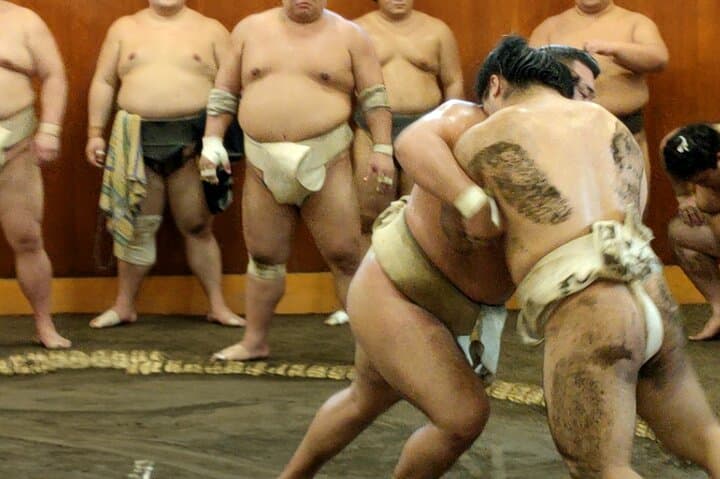
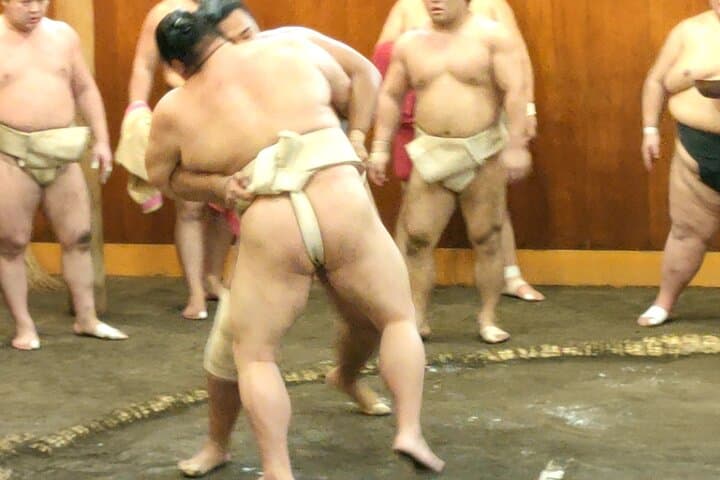
By the low entrance, the breath and slap of practice already fill the room — rikishi hefting and grappling in a ritual that favors repetition and presence over spectacle.
Verified experiences and guided adventures in the surrounding area.
Operated by NicoTour Japan · Tokyo, Tokyo
The alley smells faintly of tatami and boiled stew as you walk toward the stable just after dawn.
By the low entrance, the breath and slap of practice already fill the room — rikishi hefting and grappling in a ritual that favors repetition and presence over spectacle.
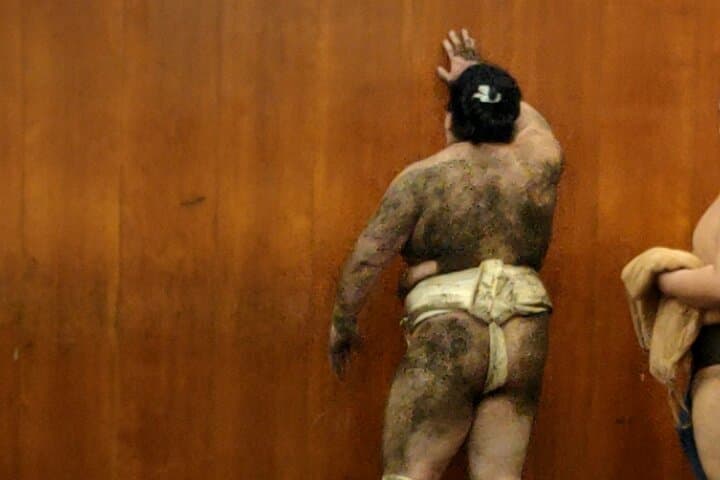
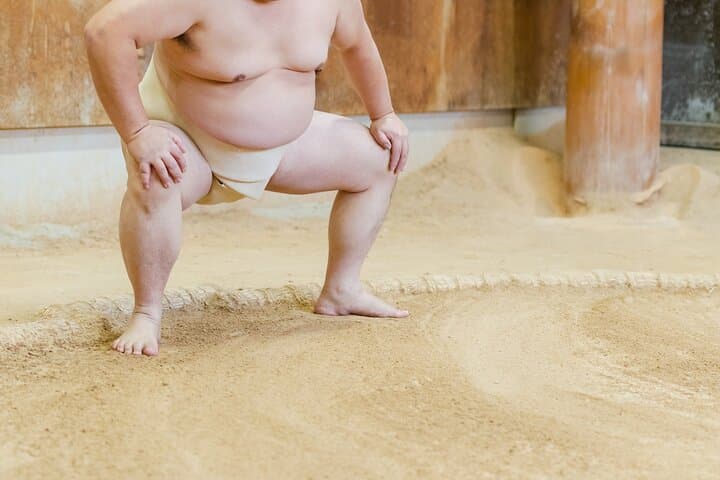
Sumo grew from Shinto ritual and agricultural rites into Japan’s national sport, its rules and ranks shaped through centuries, especially during the Edo period when professional stables became formalized in Tokyo. The stables themselves are simple: clay dohyo rings, wooden beams, and cushions on the floor. Watching training puts you inches from exertion — the rumble of stomps, trainers’ commands, and the thud of bodies meeting earth.
Culturally, etiquette matters here: silence, modest dress, no food or drink, and deference to seniors in the stable. Many stable visits are brief and tightly scheduled; the Ryōgoku neighborhood around Kokugikan also hosts a small sumo museum and restaurants serving chanko-nabe, the hearty stew wrestlers favor.
Practical guidance: meet at the designated station (the host notes a 7:45am meeting), arrive on time, and be prepared to sit on floor cushions for the full 90–120 minute session. Switch phones to silent and use a camera without sound or flash. Photos may be allowed after training, but follow the guide’s instructions and avoid revealing clothing. If you have knee or back issues, consider standing at the back or skipping the floor seating. This is an intimate, disciplined experience — show attention and restraint, and you’ll leave with a far clearer sense of sumo’s physical and cultural pulse.
easy.
2–2.5 hours.
Minimal fitness required, but participants should be able to sit on floor cushions for extended periods or request standing room
Photography rules vary by stable: generally you may photograph silently without flash, but remain seated and follow the guide’s directions; some stables prohibit photos during certain drills.
Children aged 8 and older may attend, but they must be able to sit quietly for the duration; restless children can be asked to leave for safety and respect.
The host provides live commentary and printed materials; language availability can vary—check the booking page or contact the operator if you require a specific language.
Inform the operator in advance; standing room at the back is sometimes available if floor seating is difficult, and pregnant visitors or those with infectious illness should not attend.
Sumo evolved from Shinto fertility and harvest rituals; its modern professional system was formalized in the Edo era when Tokyo became the sport’s center.
Stables are intimate cultural sites with limited capacity; follow etiquette, avoid disruptive behavior, and support conservation of customs by listening and not recording prohibited moments.
NicoTour Japan operates guided outdoor trips and adventures with an emphasis on safety, stewardship, and memorable experiences.
The alley smells faintly of tatami and boiled stew as you walk toward the stable just after dawn.
By the low entrance, the breath and slap of practice already fill the room — rikishi hefting and grappling in a ritual that favors repetition and presence over spectacle.
The alley smells faintly of tatami and boiled stew as you walk toward the stable just after dawn.
By the low entrance, the breath and slap of practice already fill the room — rikishi hefting and grappling in a ritual that favors repetition and presence over spectacle.
Sumo grew from Shinto ritual and agricultural rites into Japan’s national sport, its rules and ranks shaped through centuries, especially during the Edo period when professional stables became formalized in Tokyo. The stables themselves are simple: clay dohyo rings, wooden beams, and cushions on the floor. Watching training puts you inches from exertion — the rumble of stomps, trainers’ commands, and the thud of bodies meeting earth.
Culturally, etiquette matters here: silence, modest dress, no food or drink, and deference to seniors in the stable. Many stable visits are brief and tightly scheduled; the Ryōgoku neighborhood around Kokugikan also hosts a small sumo museum and restaurants serving chanko-nabe, the hearty stew wrestlers favor.
Practical guidance: meet at the designated station (the host notes a 7:45am meeting), arrive on time, and be prepared to sit on floor cushions for the full 90–120 minute session. Switch phones to silent and use a camera without sound or flash. Photos may be allowed after training, but follow the guide’s instructions and avoid revealing clothing. If you have knee or back issues, consider standing at the back or skipping the floor seating. This is an intimate, disciplined experience — show attention and restraint, and you’ll leave with a far clearer sense of sumo’s physical and cultural pulse.