THE ADVENTURE COLLECTIVE® · Independent discovery and booking for outdoor travel

Experience sumo as both sport and ritual—Ryōgoku Kokugikan's grand tournament brings centuries-old customs into a modern arena. Read practical tips on tickets, etiquette, and nearby cultural stops before you go.
Experience sumo as both sport and ritual—Ryōgoku Kokugikan's grand tournament brings centuries-old customs into a modern arena. Read practical tips on tickets, etiquette, and nearby cultural stops before you go.
The arena lights cut a clean circle across the dohyo as chants and clapping rise like a tide; the first rikishi steps forward, salt tossed with ritual precision. Attending a Grand Sumo tournament in Tokyo places the visitor in a living performance of muscle, ceremony and crowd energy—part sport, part Shinto rite.
Verified experiences and guided adventures in the surrounding area.
Operated by Island Travel Specialists · Tokyo, Tokyo
The arena lights cut a clean circle across the dohyo as chants and clapping rise like a tide; the first rikishi steps forward, salt tossed with ritual precision. Attending a Grand Sumo tournament in Tokyo places the visitor in a living performance of muscle, ceremony and crowd energy—part sport, part Shinto rite.
Sumo's history stretches back centuries as an expression of agrarian ritual and warrior culture; modern honbasho (official tournaments) are staged in purpose-built arenas such as Ryōgoku Kokugikan near the Sumida River on Tokyo’s low-lying alluvial plain. The venue itself reflects postwar Japan’s drive to preserve tradition in a metropolitan setting: concrete stands, clear sightlines and a central clay ring crowned with a suspended roof evoking a Shinto shrine.
Culturally, the match order, pre-bout rituals and the yokozuna’s entrance are as important as the bouts themselves—spectators watch forms as closely as outcomes. Local insights: explore nearby sumo stables in the morning for practice (advance permission advised), and pair a session with the Edo-Tokyo Museum a short walk away for context.
Practically, arrive early to see lower-division matches and ceremonies; paper tickets are required and upgraded seats improve legroom. Expect stadium concessions serving chankonabe and beer; cash is still commonly used. Be mindful of photography rules—no flash during rituals—and basic etiquette: quiet during pre-bout rituals, applause for skill, and minimal aisle movement. Public transport is the recommended approach for access and sustainability. With straightforward planning, a two-hour honbasho visit is an immediate, disciplined and surprising way to understand a cornerstone of Japanese culture.
easy.
2 hours.
No special fitness required; attendees should be able to climb stadium steps and stand for short periods.
Yes—paper tickets are required; buy ahead for specific dates and seating tiers, as tournaments can sell out.
Non-flash photography is generally permitted for many matches, but respect signage and staff instructions—no flash during rituals or when requested.
Tournaments offer seat categories; upgraded seats provide better legroom and sightlines, while general seating may be bench-style.
A scheduled session is roughly two hours, but arriving early lets you see preliminary matches and ceremonies that precede the main card.
Sumo evolved from Shinto rituals and local agricultural ceremonies; professional tournaments (honbasho) have been formalized since the Edo period and are central to modern Japanese sport culture.
Use public transit and refuse receptacles to reduce event waste; bring a reusable bottle where allowed and follow venue recycling guidelines.
Island Travel Specialists operates guided outdoor trips and adventures with an emphasis on safety, stewardship, and memorable experiences.
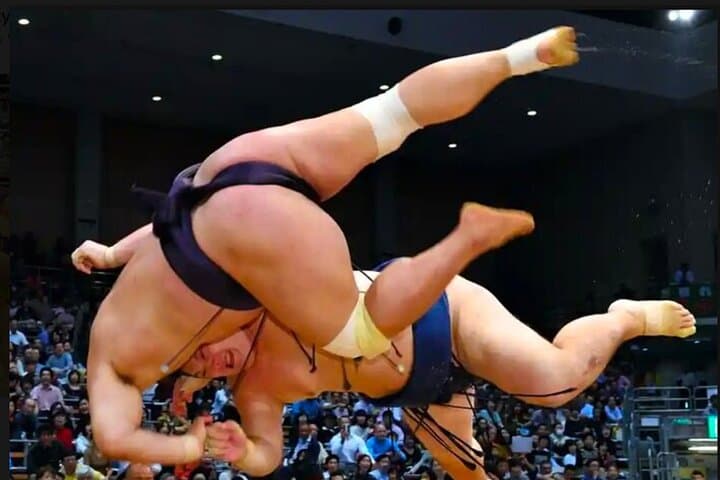

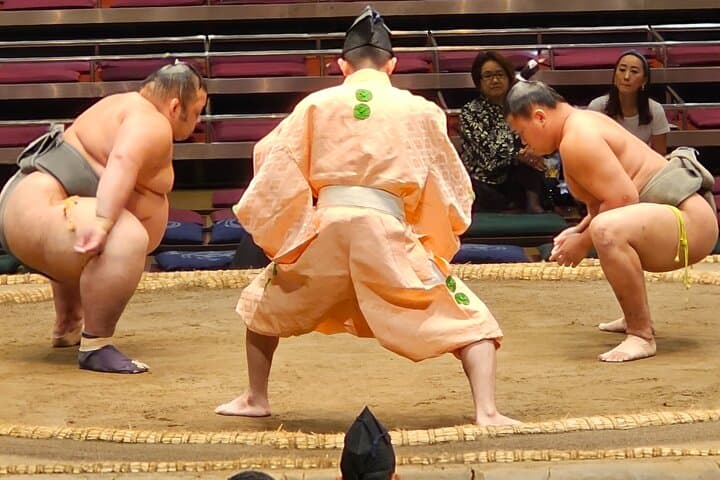
The arena lights cut a clean circle across the dohyo as chants and clapping rise like a tide; the first rikishi steps forward, salt tossed with ritual precision. Attending a Grand Sumo tournament in Tokyo places the visitor in a living performance of muscle, ceremony and crowd energy—part sport, part Shinto rite.
The arena lights cut a clean circle across the dohyo as chants and clapping rise like a tide; the first rikishi steps forward, salt tossed with ritual precision. Attending a Grand Sumo tournament in Tokyo places the visitor in a living performance of muscle, ceremony and crowd energy—part sport, part Shinto rite.
Sumo's history stretches back centuries as an expression of agrarian ritual and warrior culture; modern honbasho (official tournaments) are staged in purpose-built arenas such as Ryōgoku Kokugikan near the Sumida River on Tokyo’s low-lying alluvial plain. The venue itself reflects postwar Japan’s drive to preserve tradition in a metropolitan setting: concrete stands, clear sightlines and a central clay ring crowned with a suspended roof evoking a Shinto shrine.
Culturally, the match order, pre-bout rituals and the yokozuna’s entrance are as important as the bouts themselves—spectators watch forms as closely as outcomes. Local insights: explore nearby sumo stables in the morning for practice (advance permission advised), and pair a session with the Edo-Tokyo Museum a short walk away for context.
Practically, arrive early to see lower-division matches and ceremonies; paper tickets are required and upgraded seats improve legroom. Expect stadium concessions serving chankonabe and beer; cash is still commonly used. Be mindful of photography rules—no flash during rituals—and basic etiquette: quiet during pre-bout rituals, applause for skill, and minimal aisle movement. Public transport is the recommended approach for access and sustainability. With straightforward planning, a two-hour honbasho visit is an immediate, disciplined and surprising way to understand a cornerstone of Japanese culture.