THE ADVENTURE COLLECTIVE® · Independent discovery and booking for outdoor travel

Step into the kinetic world of Tokyo pachinko with an English guide who decodes machines, etiquette, and local rhythms. Perfect for curious travelers who want context, photos, or a first-time try—without the guesswork.
Step into the kinetic world of Tokyo pachinko with an English guide who decodes machines, etiquette, and local rhythms. Perfect for curious travelers who want context, photos, or a first-time try—without the guesswork.
The fluorescent roar hits first: metal balls clatter like small hail and neon panels flash with relentless urgency. Standing in a Tokyo pachinko hall with an English-speaking guide, the noise becomes readable—rhythms, etiquette, and the mechanics of a game that has shaped postwar urban leisure.
Verified experiences and guided adventures in the surrounding area.
Operated by Tokyo Pachinko Experience for Beginners · Tokyo, Tokyo
The fluorescent roar hits first: metal balls clatter like small hail and neon panels flash with relentless urgency. Standing in a Tokyo pachinko hall with an English-speaking guide, the noise becomes readable—rhythms, etiquette, and the mechanics of a game that has shaped postwar urban leisure.
Pachinko grew from early 20th-century pinball variants into a nationwide pastime after World War II, taking root on the flat Kanto Plain where Tokyo expanded rapidly. The halls themselves are modern urban geology—stacked floors, mechanical hum, and ventilation systems battling smoke and sound rather than tectonics.
Culturally, pachinko is both pastime and industry: machines, private lounges, and exchanges form a parallel economy that fascinated sociologists and travelers alike. Your guide will explain scoring, machine types, and basic etiquette—when to photograph, how to handle trays of balls, and when to step back.
Practical guidance follows the spectacle. Expect one hour in a busy public space: standing room, bright light, and continuous noise. Playing is optional; observing yields insight into local routines and chance rituals. Cash and small change remain useful even as some halls accept IC cards. Note health advisories—smoking and volume can be intense—so plan accordingly.
Finish with a stop at a quieter neighborhood hall to compare retro and newer machines, or step outside for a short walk through side streets where local snack shops and game arcades continue the conversation. This is a focused, sensory cultural stop—fast, revealing, and easy to slot into a broader Tokyo itinerary.
easy.
1 hour.
Minimal physical exertion required, but be comfortable standing and moving through busy indoor spaces.
No — playing is optional. You can observe, take permitted photos, or try a machine with beginner guidance.
Yes — the tour includes an English-speaking guide who explains machines, etiquette, and local customs in real time.
Participants must be 18 or older; the halls enforce legal age limits for gambling-related activities.
Many halls allow smoking; policies vary. Your guide will point out smoke-free options if you prefer to avoid tobacco exposure.
Pachinko evolved from early 20th-century pinball-like machines and became a major form of urban entertainment and industry in postwar Japan.
Pachinko halls consume significant energy and may permit indoor smoking; choose smoke-free venues when possible and follow local waste and recycling rules.
Tokyo Pachinko Experience for Beginners operates guided outdoor trips and adventures with an emphasis on safety, stewardship, and memorable experiences.
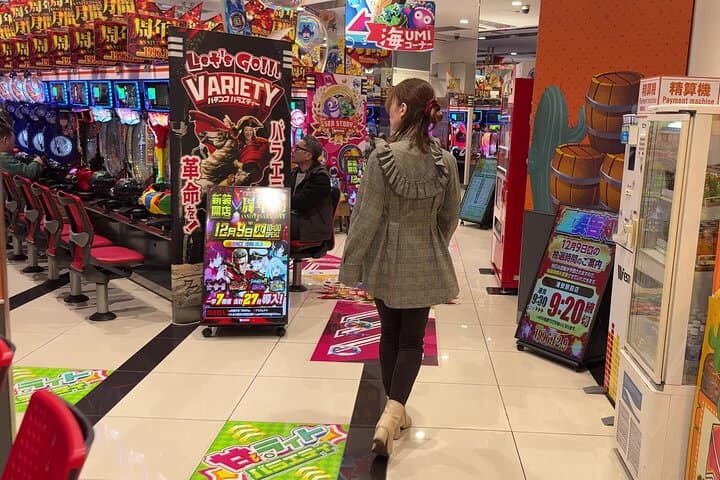
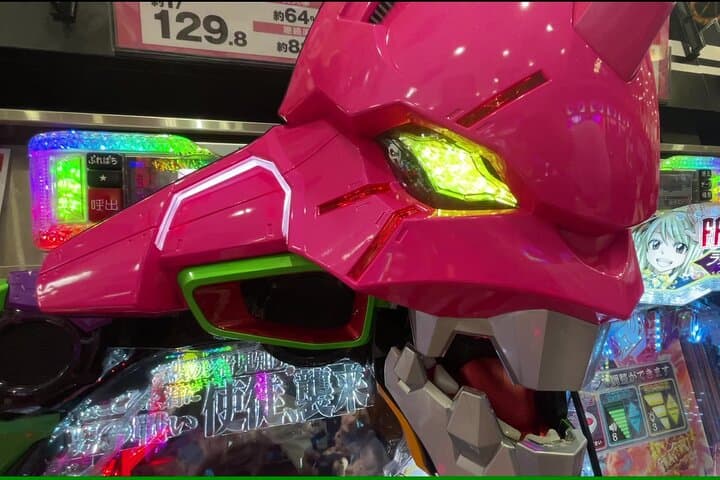
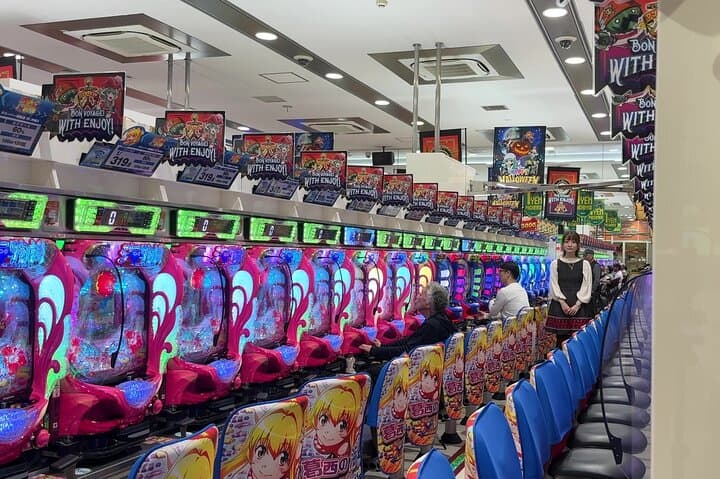
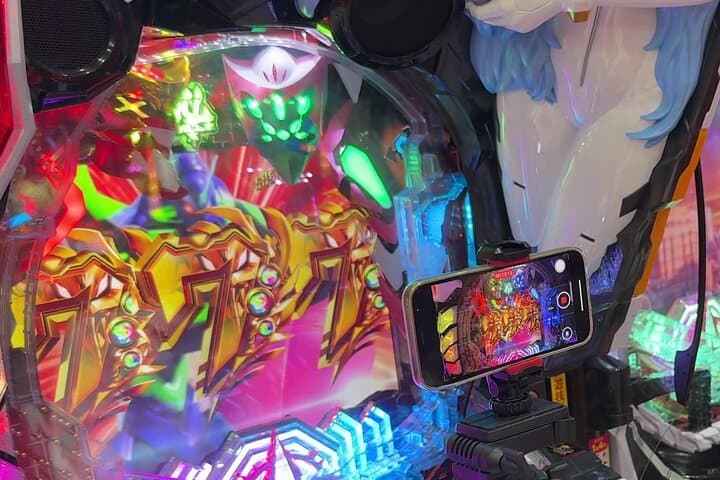
The fluorescent roar hits first: metal balls clatter like small hail and neon panels flash with relentless urgency. Standing in a Tokyo pachinko hall with an English-speaking guide, the noise becomes readable—rhythms, etiquette, and the mechanics of a game that has shaped postwar urban leisure.
The fluorescent roar hits first: metal balls clatter like small hail and neon panels flash with relentless urgency. Standing in a Tokyo pachinko hall with an English-speaking guide, the noise becomes readable—rhythms, etiquette, and the mechanics of a game that has shaped postwar urban leisure.
Pachinko grew from early 20th-century pinball variants into a nationwide pastime after World War II, taking root on the flat Kanto Plain where Tokyo expanded rapidly. The halls themselves are modern urban geology—stacked floors, mechanical hum, and ventilation systems battling smoke and sound rather than tectonics.
Culturally, pachinko is both pastime and industry: machines, private lounges, and exchanges form a parallel economy that fascinated sociologists and travelers alike. Your guide will explain scoring, machine types, and basic etiquette—when to photograph, how to handle trays of balls, and when to step back.
Practical guidance follows the spectacle. Expect one hour in a busy public space: standing room, bright light, and continuous noise. Playing is optional; observing yields insight into local routines and chance rituals. Cash and small change remain useful even as some halls accept IC cards. Note health advisories—smoking and volume can be intense—so plan accordingly.
Finish with a stop at a quieter neighborhood hall to compare retro and newer machines, or step outside for a short walk through side streets where local snack shops and game arcades continue the conversation. This is a focused, sensory cultural stop—fast, revealing, and easy to slot into a broader Tokyo itinerary.