THE ADVENTURE COLLECTIVE® · Independent discovery and booking for outdoor travel

Walk the beating heart of Albania in a focused two‑hour tour that connects Skanderbeg Square, the National History Museum, Et'hem Bey Mosque and the lively Blloku neighborhood. Local guides supply historical context, recent urban stories, and practical tips for making the most of a short city exploration.
Walk the beating heart of Albania in a focused two‑hour tour that connects Skanderbeg Square, the National History Museum, Et'hem Bey Mosque and the lively Blloku neighborhood. Local guides supply historical context, recent urban stories, and practical tips for making the most of a short city exploration.
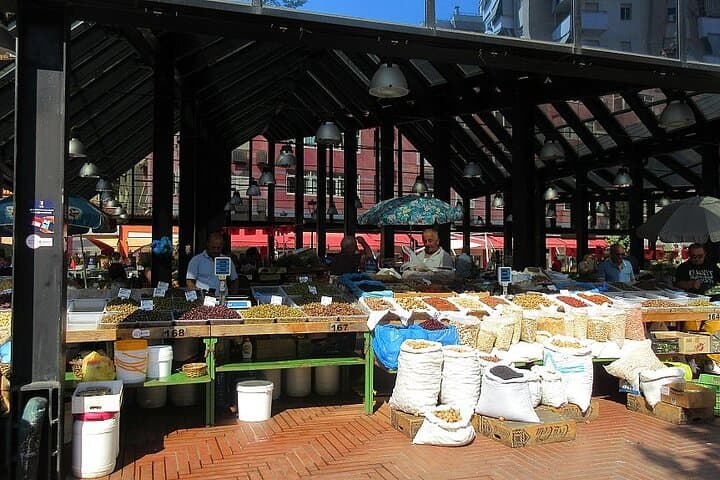
A morning on Tirana’s central pavement puts the city in motion: trams hum, vendors rearrange fruit, and the wide face of Skanderbeg Square opens like a plaza challenging you to look closer.
Verified experiences and guided adventures in the surrounding area.
Operated by Zemra Travel · Tirana, Tirana
A morning on Tirana’s central pavement puts the city in motion: trams hum, vendors rearrange fruit, and the wide face of Skanderbeg Square opens like a plaza challenging you to look closer.
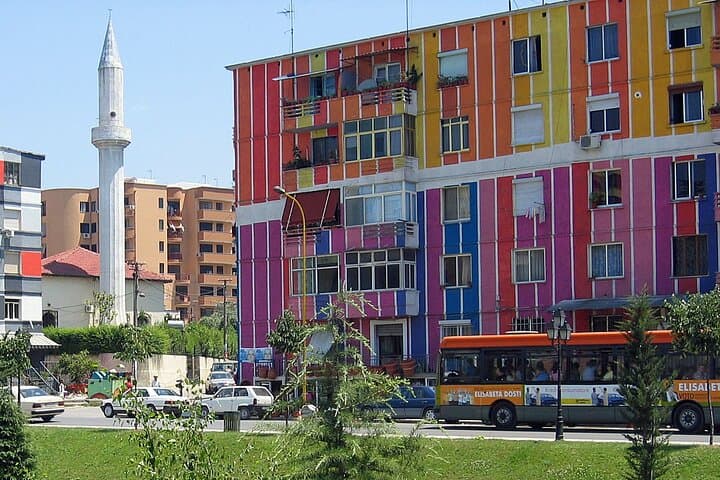
This two‑hour guided walk threads through Albania’s 20th‑century transformations — from Ottoman-era mosques and the clock tower to the austere concrete fragments of Postbllok that recall the communist era. Geologically, Tirana sits on the flat plain below the Dajti massif; the skyline is low but punctuated by the Palace of Culture and the postwar blocks that tell a story of rapid urban change. Culturally, the city shifts between the ritual of mosque calls, café life in Ish‑Blloku, and the murals that chart recent memory.
Expect concise stops at the National Historical Museum (note the large mosaic above the entrance), Et'hem Bey Mosque, the Philharmonic’s historic home, and the upmarket cafés of Blloku. Guides weave local anecdotes about Enver Hoxha’s restricted neighborhood, the city plan shaped by Italian architects in the 1930s, and how street art has become a language of renewal.
Practicals: the route is flat and fully walkable in ordinary shoes; allow two hours and bring a light jacket for brisk winds that funnel off Mount Dajti. Museums are viewed from outside unless you choose to enter — carry small change for optional admissions and respect prayer times at the mosque. Public transit and taxis meet the square; tours often accept tips at the end to support local guides. For first‑time visitors, arrive 10 minutes early to find the meeting point at Skanderbeg Square and to check any last‑minute changes with the operator.
easy.
2 hours.
Suitable for most fitness levels; participants should be able to stand and walk on paved surfaces for two hours.
Yes — the itinerary notes wheelchair accessibility; contact the operator ahead of time to confirm arrangements and meeting-point specifics.
No — admissions to museums are generally not included; guides provide context at exteriors and can advise if you'd like to go inside independently.
Shared tours cap at around 30 people; if you prefer a smaller group, inquire about private tour options.
Tipping is customary and appreciated; consider a small amount based on service — cash in local currency is preferred.
Tirana became Albania’s capital in 1920 and underwent major redesigns under Italian planners in the 1930s; many central buildings reflect those mid‑century plans.
Tour operators encourage low-impact visits: stick to sidewalks, avoid littering, and support local businesses to direct tourism revenue into the community.
Zemra Travel operates guided outdoor trips and adventures with an emphasis on safety, stewardship, and memorable experiences.
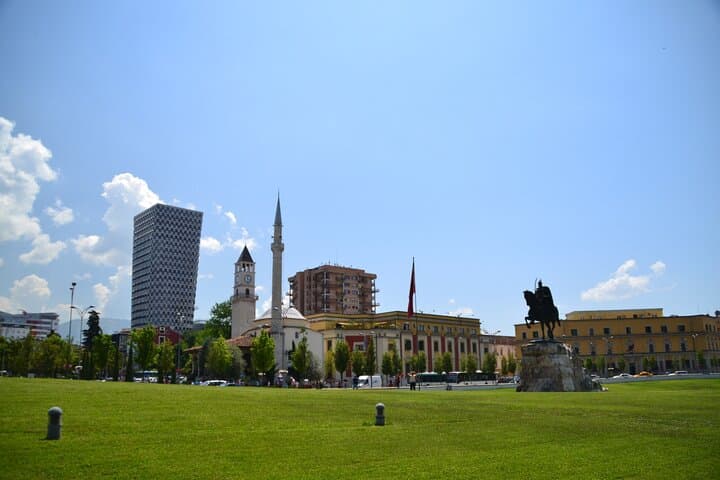
A morning on Tirana’s central pavement puts the city in motion: trams hum, vendors rearrange fruit, and the wide face of Skanderbeg Square opens like a plaza challenging you to look closer.
A morning on Tirana’s central pavement puts the city in motion: trams hum, vendors rearrange fruit, and the wide face of Skanderbeg Square opens like a plaza challenging you to look closer.
This two‑hour guided walk threads through Albania’s 20th‑century transformations — from Ottoman-era mosques and the clock tower to the austere concrete fragments of Postbllok that recall the communist era. Geologically, Tirana sits on the flat plain below the Dajti massif; the skyline is low but punctuated by the Palace of Culture and the postwar blocks that tell a story of rapid urban change. Culturally, the city shifts between the ritual of mosque calls, café life in Ish‑Blloku, and the murals that chart recent memory.
Expect concise stops at the National Historical Museum (note the large mosaic above the entrance), Et'hem Bey Mosque, the Philharmonic’s historic home, and the upmarket cafés of Blloku. Guides weave local anecdotes about Enver Hoxha’s restricted neighborhood, the city plan shaped by Italian architects in the 1930s, and how street art has become a language of renewal.
Practicals: the route is flat and fully walkable in ordinary shoes; allow two hours and bring a light jacket for brisk winds that funnel off Mount Dajti. Museums are viewed from outside unless you choose to enter — carry small change for optional admissions and respect prayer times at the mosque. Public transit and taxis meet the square; tours often accept tips at the end to support local guides. For first‑time visitors, arrive 10 minutes early to find the meeting point at Skanderbeg Square and to check any last‑minute changes with the operator.