THE ADVENTURE COLLECTIVE® · Independent discovery and booking for outdoor travel

Move beyond guidebook thumbnails into the Vatican’s corridors of art and history. This guided visit navigates classical sculpture, Renaissance masterpieces, and the impossibly detailed frescoes of the Sistine Chapel with practical tips on timing, dress code, and accessibility.
Move beyond guidebook thumbnails into the Vatican’s corridors of art and history. This guided visit navigates classical sculpture, Renaissance masterpieces, and the impossibly detailed frescoes of the Sistine Chapel with practical tips on timing, dress code, and accessibility.
You step through the security gate and the hum of Rome recedes; stone corridors lead into light-filled galleries where sculptures and painted ceilings crowd the senses. The guide's voice sketches context over the headset as marble eyes and carved drapery pivot toward you, and the group's pace becomes a deliberate march through centuries of papal collecting.
Verified experiences and guided adventures in the surrounding area.
Operated by The Wise Tours · Vatican City, Vatican City
You step through the security gate and the hum of Rome recedes; stone corridors lead into light-filled galleries where sculptures and painted ceilings crowd the senses. The guide's voice sketches context over the headset as marble eyes and carved drapery pivot toward you, and the group's pace becomes a deliberate march through centuries of papal collecting.
The Vatican Museums began as private papal collections and grew into one of the world’s largest museum complexes, housing classical sculpture, Renaissance paintings, and ecclesiastical artifacts gathered across centuries. Geologically, the buildings rest atop Roman-era foundations; culturally, they reflect the Church’s role as patron and preserver of European art. The Sistine Chapel — painted by Michelangelo in the early 1500s — crowns the visit with frescoes that changed Western art, though current conservation work and periodic scaffolding can alter sightlines.
Practical guidance: allow at least two hours for the guided itinerary, arrive 20–30 minutes early for security checks, and bring a government ID for ticket verification. Dress respectfully — shoulders and knees must be covered — and keep conversation quiet inside the Chapel where guides cannot speak. Expect many stairs and uneven floors; the tour provides headsets to hear commentary in noisy rooms. Photography is allowed in most galleries without flash, but is restricted in the Sistine Chapel.
Timing your visit for early morning or late afternoon reduces crowds; winter months offer lower overall foot traffic. The experience is richly visual and dense: plan a follow-up return if you want to linger in specific rooms.
easy.
2 hours.
Suitable for most fitness levels; requires walking and standing for extended periods and navigating stairs.
Tickets include entry to the Vatican Museums but not an official skip-the-line guarantee; you still pass through mandatory security checks which can cause waits.
No — guides are not permitted to provide commentary inside the Chapel; explanations are given before entry and the guide accompanies the group.
This tour is not wheelchair accessible due to numerous stairs and uneven surfaces; contact the provider for alternative accessible options and policies on free companion admission for qualifying disabilities.
Photography is prohibited inside the Sistine Chapel; photography without flash is generally allowed in other galleries but follow signage and staff directions.
The Vatican Museums grew from private papal collections started in the 16th century and were opened to the public in the 18th century, showcasing art amassed by successive popes.
Conservation teams control light, humidity, and visitor flow to protect fragile frescoes; restoration projects and occasional scaffolding are ongoing to preserve works like The Last Judgment.
The Wise Tours operates guided outdoor trips and adventures with an emphasis on safety, stewardship, and memorable experiences.
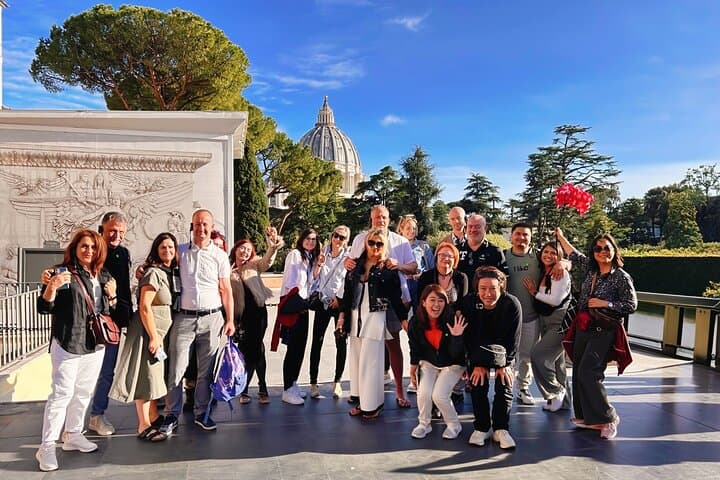
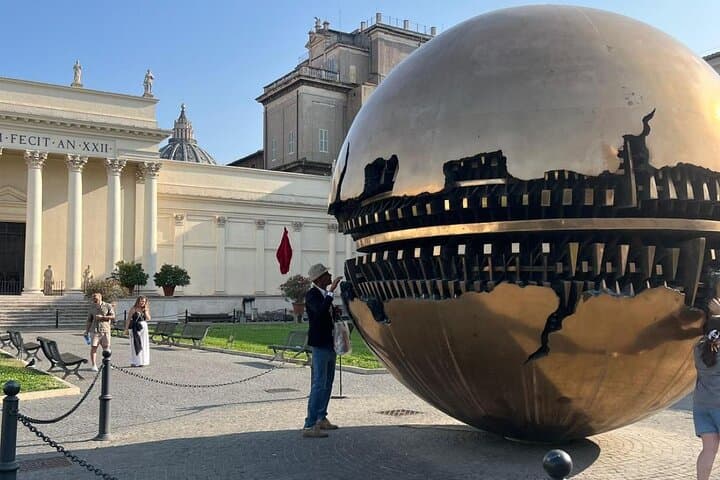
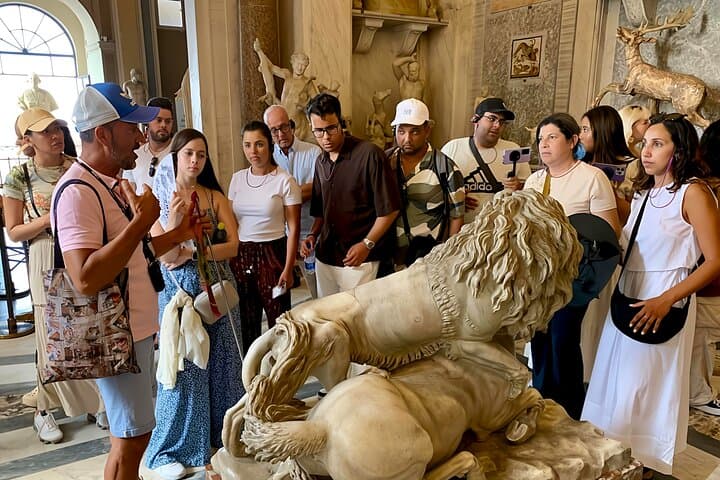
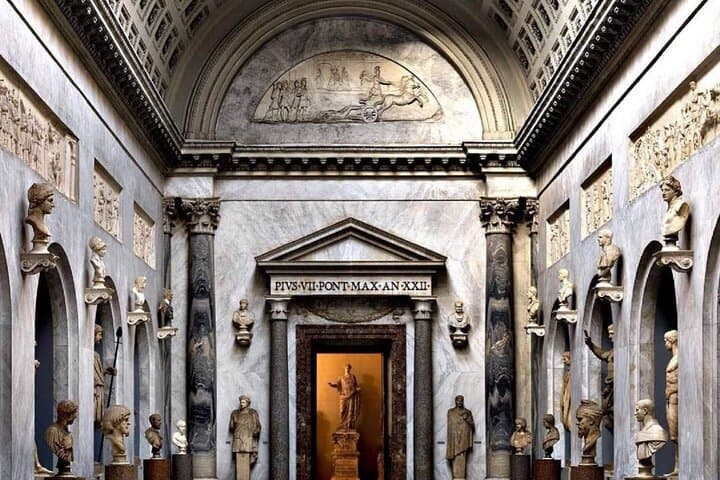
You step through the security gate and the hum of Rome recedes; stone corridors lead into light-filled galleries where sculptures and painted ceilings crowd the senses. The guide's voice sketches context over the headset as marble eyes and carved drapery pivot toward you, and the group's pace becomes a deliberate march through centuries of papal collecting.
You step through the security gate and the hum of Rome recedes; stone corridors lead into light-filled galleries where sculptures and painted ceilings crowd the senses. The guide's voice sketches context over the headset as marble eyes and carved drapery pivot toward you, and the group's pace becomes a deliberate march through centuries of papal collecting.
The Vatican Museums began as private papal collections and grew into one of the world’s largest museum complexes, housing classical sculpture, Renaissance paintings, and ecclesiastical artifacts gathered across centuries. Geologically, the buildings rest atop Roman-era foundations; culturally, they reflect the Church’s role as patron and preserver of European art. The Sistine Chapel — painted by Michelangelo in the early 1500s — crowns the visit with frescoes that changed Western art, though current conservation work and periodic scaffolding can alter sightlines.
Practical guidance: allow at least two hours for the guided itinerary, arrive 20–30 minutes early for security checks, and bring a government ID for ticket verification. Dress respectfully — shoulders and knees must be covered — and keep conversation quiet inside the Chapel where guides cannot speak. Expect many stairs and uneven floors; the tour provides headsets to hear commentary in noisy rooms. Photography is allowed in most galleries without flash, but is restricted in the Sistine Chapel.
Timing your visit for early morning or late afternoon reduces crowds; winter months offer lower overall foot traffic. The experience is richly visual and dense: plan a follow-up return if you want to linger in specific rooms.