THE ADVENTURE COLLECTIVE® · Independent discovery and booking for outdoor travel

A focused, 3–4 hour city tour that visits four controversial sites linked to Pablo Escobar’s life and legacy in Medellín. Learn the local history, the urban changes that followed, and practical tips for visiting memorial sites respectfully.
A focused, 3–4 hour city tour that visits four controversial sites linked to Pablo Escobar’s life and legacy in Medellín. Learn the local history, the urban changes that followed, and practical tips for visiting memorial sites respectfully.
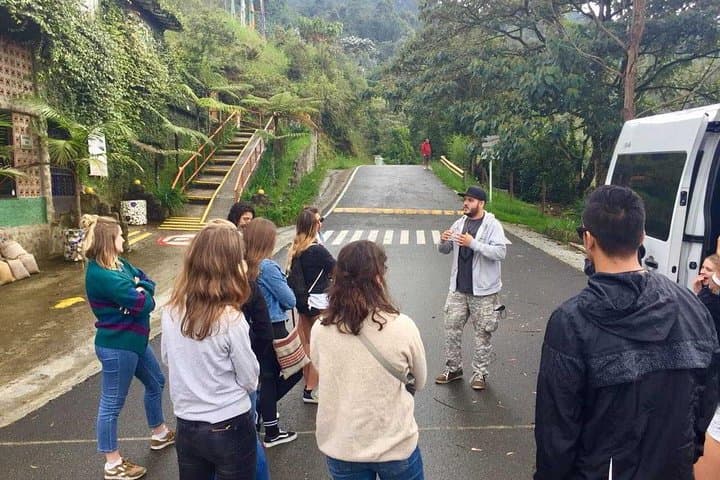
You step onto a minivan at Lleras Park and the hills of Medellín roll toward you—green terraces interrupted by concrete, ravines that have learned to hold neighborhoods. The guide’s voice moves between English and Spanish, steadying the narrative as the van threads toward the first stop: the shell of a house that once hid a family and the violence that shaped a city.
Verified experiences and guided adventures in the surrounding area.
Operated by Top !0 Tours in Medellin · Medellín, Antioquia
You step onto a minivan at Lleras Park and the hills of Medellín roll toward you—green terraces interrupted by concrete, ravines that have learned to hold neighborhoods. The guide’s voice moves between English and Spanish, steadying the narrative as the van threads toward the first stop: the shell of a house that once hid a family and the violence that shaped a city.
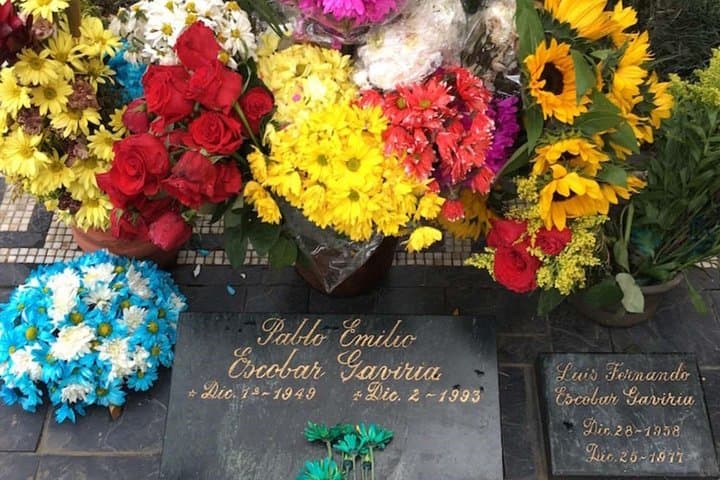
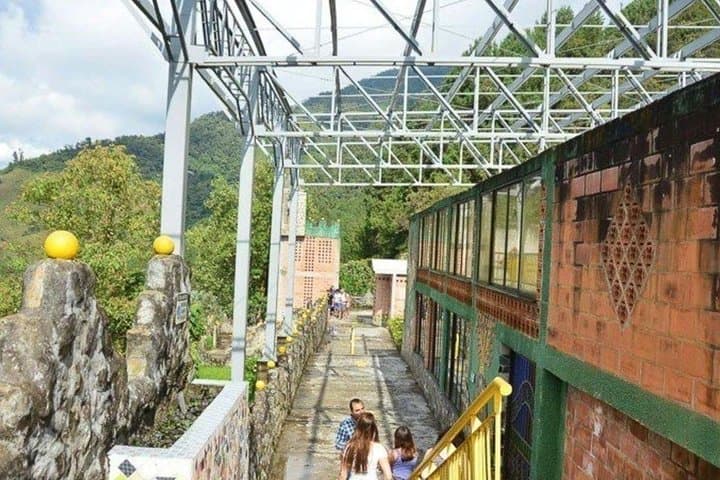
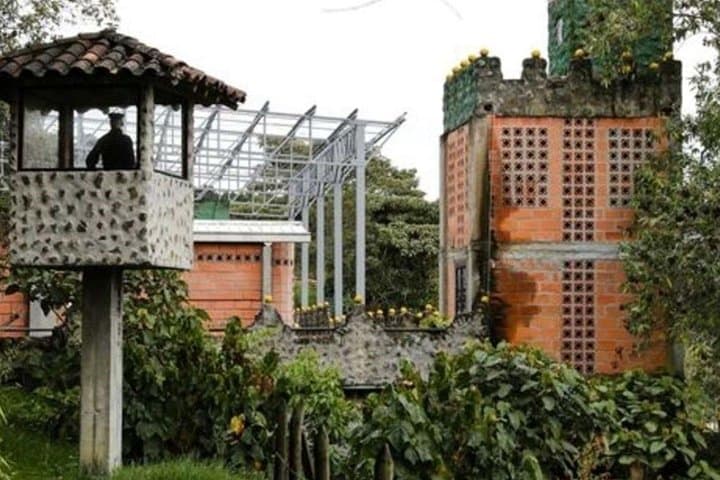
This tour follows four charged sites: a former private residence turned memorial, La Catedral (the self-built prison), a visionary soccer field used for public rallies, and the cemetery where remnants of that era rest. Medellín’s geography—steep slopes carved by river valleys—helped both isolation and reinvention; improvised routes and cable-cars later knit the city back together and became tools of urban renewal.
Expect a balanced telling: the tour places criminal activity in context while showing how local communities and institutions responded. Guides discuss the social policies, public art, and libraries that have been part of Medellín’s recent transformation, and point out lesser-known viewpoints where the Aburrá Valley spreads like a living map.
Practicalities are straightforward: the shared tour lasts about 3–4 hours, includes roundtrip transport from Lleras Park, cemetery admission, and bilingual guiding. Wear comfortable shoes for short walks and uneven ground, bring a light rain layer (weather in the valley can change fast), and carry local cash or card for small purchases. Photography is allowed at most stops but be respectful at memorial sites. The tour is observational and historically focused—come ready to listen, reflect, and ask questions.
easy.
3–4 hours.
Suitable for most fitness levels; involves short, flat-to-moderate walks and brief stair climbs.
Yes—guides are experienced and routes use common tourist roads; follow guidance about respectful behavior and stay with the group.
Photography is generally allowed, but exercise discretion and avoid close-up shots at cemetery graves or memorials out of respect.
No—there may be short stops where you can buy refreshments, but bring snacks if you have dietary needs.
The tour is rated physically easy; however, it involves walking and some stairs—consider mobility limitations and noise sensitivity to historical content.
The sites trace the late 20th-century violence tied to the drug trade and the policies that followed; Medellín’s recent governance and social programs have been central to its reinvention.
Visitors are asked to treat memorials respectfully, avoid littering, and support local businesses and guide-led initiatives that benefit communities.
Top !0 Tours in Medellin operates guided outdoor trips and adventures with an emphasis on safety, stewardship, and memorable experiences.
You step onto a minivan at Lleras Park and the hills of Medellín roll toward you—green terraces interrupted by concrete, ravines that have learned to hold neighborhoods. The guide’s voice moves between English and Spanish, steadying the narrative as the van threads toward the first stop: the shell of a house that once hid a family and the violence that shaped a city.
You step onto a minivan at Lleras Park and the hills of Medellín roll toward you—green terraces interrupted by concrete, ravines that have learned to hold neighborhoods. The guide’s voice moves between English and Spanish, steadying the narrative as the van threads toward the first stop: the shell of a house that once hid a family and the violence that shaped a city.
This tour follows four charged sites: a former private residence turned memorial, La Catedral (the self-built prison), a visionary soccer field used for public rallies, and the cemetery where remnants of that era rest. Medellín’s geography—steep slopes carved by river valleys—helped both isolation and reinvention; improvised routes and cable-cars later knit the city back together and became tools of urban renewal.
Expect a balanced telling: the tour places criminal activity in context while showing how local communities and institutions responded. Guides discuss the social policies, public art, and libraries that have been part of Medellín’s recent transformation, and point out lesser-known viewpoints where the Aburrá Valley spreads like a living map.
Practicalities are straightforward: the shared tour lasts about 3–4 hours, includes roundtrip transport from Lleras Park, cemetery admission, and bilingual guiding. Wear comfortable shoes for short walks and uneven ground, bring a light rain layer (weather in the valley can change fast), and carry local cash or card for small purchases. Photography is allowed at most stops but be respectful at memorial sites. The tour is observational and historically focused—come ready to listen, reflect, and ask questions.