THE ADVENTURE COLLECTIVE® · Independent discovery and booking for outdoor travel

Experience the Pantheon in an efficient, expert-led 60-minute small-group tour that explores Roman engineering, religious reuse, and hidden interior details. Ideal for travelers who want concentrated history, accessible logistics, and the best light under the famous oculus.
Experience the Pantheon in an efficient, expert-led 60-minute small-group tour that explores Roman engineering, religious reuse, and hidden interior details. Ideal for travelers who want concentrated history, accessible logistics, and the best light under the famous oculus.
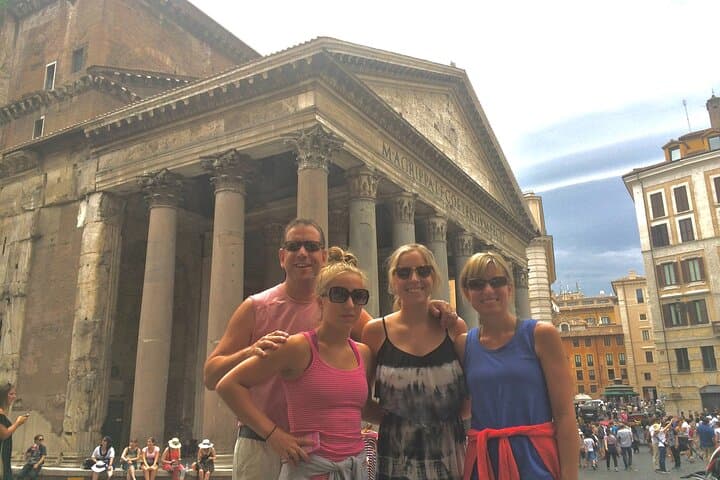
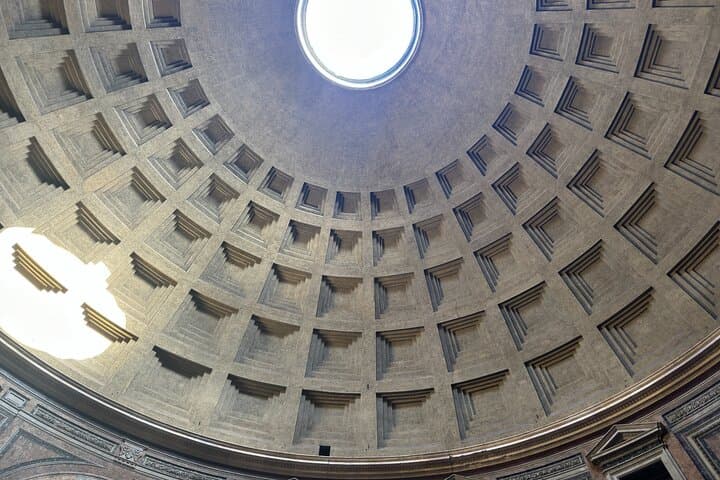
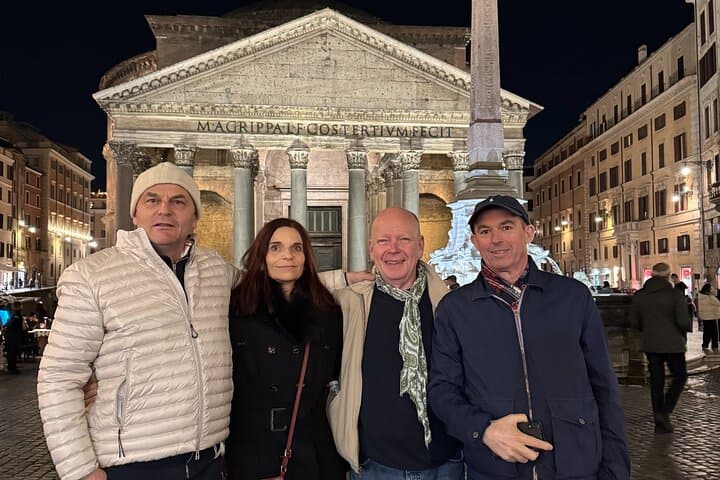
You step off the cobbles of Piazza della Rotonda and the Pantheon rises, its broad portico framing the dome like a threshold between eras. Light funnels through the oculus, a single eye that measures time by the sun's arc, and the guide's voice draws the room into a story where stone and ceremony meet.
Verified experiences and guided adventures in the surrounding area.
Operated by Vatican Tour Company · Rome, Lazio
You step off the cobbles of Piazza della Rotonda and the Pantheon rises, its broad portico framing the dome like a threshold between eras. Light funnels through the oculus, a single eye that measures time by the sun's arc, and the guide's voice draws the room into a story where stone and ceremony meet.
Built in the second century CE under Emperor Hadrian on an earlier Augustan foundation, the Pantheon is one of Rome's best-preserved ancient temples turned church. Its concrete dome—still the world’s largest unreinforced concrete dome—was achieved through graduated aggregates and daring Roman engineering. Inside, the floor and altars reflect later Renaissance and Baroque layers: the tomb of Raffaello, royal monuments, and Christian iconography that repurposed a pagan space into Santa Maria ad Martyres.
Culturally the Pantheon is both civic stage and place of worship; services occur occasionally and the building remains an active religious site. The oculus invites weather and season into the interior, a dynamic connection with Rome's sky that can surprise visitors with sunbeams or a soft rain.
Practical notes: the hour-long small-group format delivers focused interpretation with room for questions. Dress respectfully—shoulders and knees covered—and expect some standing and slow walking on ancient stone. The site is largely accessible but check for temporary closures or masses. For best light and fewer crowds aim for early morning or late afternoon. Bring a small water bottle, comfortable shoes, and a camera ready for wide-angle shots of the dome and oculus.
easy.
55–60 minutes.
Suitable for most fitness levels; primarily standing and short walking on even but ancient stone surfaces
Yes. The tour includes the admission fee so you can enter the Pantheon with the group without separate tickets.
Yes. The tour notes wheelchair and stroller accessibility for most areas, though some thresholds and cobbles in the piazza may require care.
Infants and small children are allowed; strollers are acceptable. The commentary is geared to adults but is family-friendly.
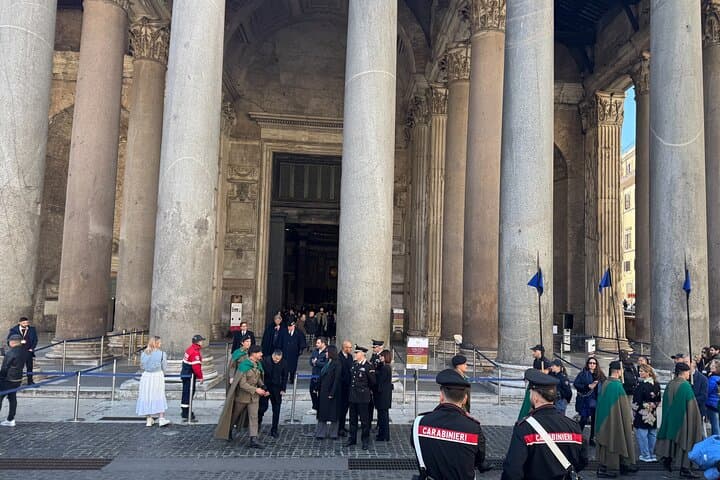
Occasional masses can restrict access to parts of the interior; the operator will inform you and may reschedule or offer alternatives if entry is affected.
Originally a Roman temple dedicated to all gods, the Pantheon was converted into a Christian church in the 7th century, which contributed to its extraordinary preservation.
The Pantheon is managed as both archaeological monument and church; visitor numbers are regulated and respectful behavior is essential to reduce wear on ancient stone and mosaics.
Vatican Tour Company operates guided outdoor trips and adventures with an emphasis on safety, stewardship, and memorable experiences.
You step off the cobbles of Piazza della Rotonda and the Pantheon rises, its broad portico framing the dome like a threshold between eras. Light funnels through the oculus, a single eye that measures time by the sun's arc, and the guide's voice draws the room into a story where stone and ceremony meet.
You step off the cobbles of Piazza della Rotonda and the Pantheon rises, its broad portico framing the dome like a threshold between eras. Light funnels through the oculus, a single eye that measures time by the sun's arc, and the guide's voice draws the room into a story where stone and ceremony meet.
Built in the second century CE under Emperor Hadrian on an earlier Augustan foundation, the Pantheon is one of Rome's best-preserved ancient temples turned church. Its concrete dome—still the world’s largest unreinforced concrete dome—was achieved through graduated aggregates and daring Roman engineering. Inside, the floor and altars reflect later Renaissance and Baroque layers: the tomb of Raffaello, royal monuments, and Christian iconography that repurposed a pagan space into Santa Maria ad Martyres.
Culturally the Pantheon is both civic stage and place of worship; services occur occasionally and the building remains an active religious site. The oculus invites weather and season into the interior, a dynamic connection with Rome's sky that can surprise visitors with sunbeams or a soft rain.
Practical notes: the hour-long small-group format delivers focused interpretation with room for questions. Dress respectfully—shoulders and knees covered—and expect some standing and slow walking on ancient stone. The site is largely accessible but check for temporary closures or masses. For best light and fewer crowds aim for early morning or late afternoon. Bring a small water bottle, comfortable shoes, and a camera ready for wide-angle shots of the dome and oculus.