THE ADVENTURE COLLECTIVE® · Independent discovery and booking for outdoor travel

Move through centuries of masterworks with a small-group guide at the National Gallery of Art. This 2.5-hour semi-private tour highlights Renaissance portraits, Impressionist light, and modern American painting with room for questions and quieter viewing.
Move through centuries of masterworks with a small-group guide at the National Gallery of Art. This 2.5-hour semi-private tour highlights Renaissance portraits, Impressionist light, and modern American painting with room for questions and quieter viewing.
You step off Constitution Avenue into a hush that feels intentional — polished floors, measured footsteps, and paintings occupying rooms like quiet companions. The tour moves with purpose: a Da Vinci portrait that draws you close, a Monet that opens the light wider, a Rothko that asks you to slow your breath. Guides translate brushstrokes into story, technique into the human decisions behind them.
Verified experiences and guided adventures in the surrounding area.
Operated by Babylon Tours DC · Washington, DC
You step off Constitution Avenue into a hush that feels intentional — polished floors, measured footsteps, and paintings occupying rooms like quiet companions. The tour moves with purpose: a Da Vinci portrait that draws you close, a Monet that opens the light wider, a Rothko that asks you to slow your breath. Guides translate brushstrokes into story, technique into the human decisions behind them.
Founded from Andrew Mellon’s donation in the 1930s, the National Gallery is a physical timeline of Western art. Its West and East buildings reflect different eras — one classical marble and vaulted galleries, the other geometric modernism — sitting on the Potomac’s coastal plain where the Mall’s flat expanse allows sightlines between monuments and museums. The collection traces Renaissance portraiture through Impressionism and American modernism, touching on political power, patronage, and the social forces that moved men and movements.
Expect close walking (about 2.5 hours), standing at focal works, and rooms that require lowered voices. Guides explain technique, provenance, and the scandals that followed some masterpieces, then point out less-visited pieces tucked behind major works. Timing matters: mornings are quieter; special exhibitions can reroute itineraries. Security screens bags, and some galleries restrict conversation to protect the contemplative atmosphere.
Practical tips: wear comfortable shoes, leave large luggage at your hotel, and bring a charged phone for digital tickets. If you want photography, ask your guide; flash and tripods are not permitted. For accessibility, the Gallery is wheelchair-friendly and public transit drops you a short walk away. This semi-private format keeps groups small, making it easier to ask questions and see more than a general audio tour would allow.
easy.
2–3 hours.
Moderate—able to stand and walk on hard surfaces for up to 2.5 hours with brief pauses
This semi-private guided tour runs approximately 2.5 hours and covers highlights in both galleries.
Yes—the National Gallery is wheelchair accessible; notify the operator of any mobility needs when booking.
Non-flash photography is often allowed in many rooms but some works and special exhibitions restrict photos; follow your guide's instructions.
Groups are capped at 8 guests; cancel at least 24 hours before the tour for a full refund, and minimum booking requirements may apply.
Established through Andrew Mellon’s donation in the 1930s, the Gallery grew into two distinct buildings housing a collection from Renaissance masters to 20th-century Americans.
The museum maintains strict climate and light controls to preserve works; visitors are asked to follow bag and photography rules to minimize wear and risk.
Babylon Tours DC operates guided outdoor trips and adventures with an emphasis on safety, stewardship, and memorable experiences.
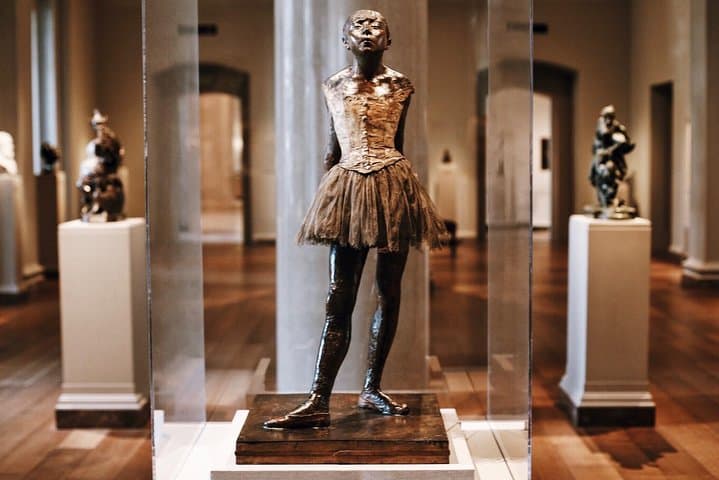
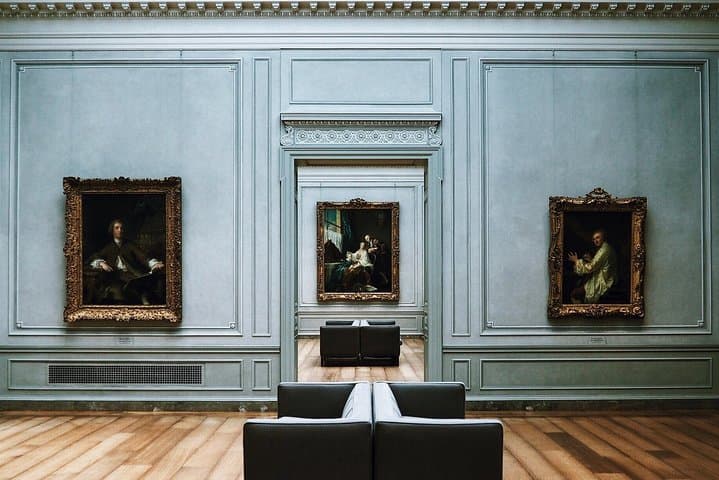
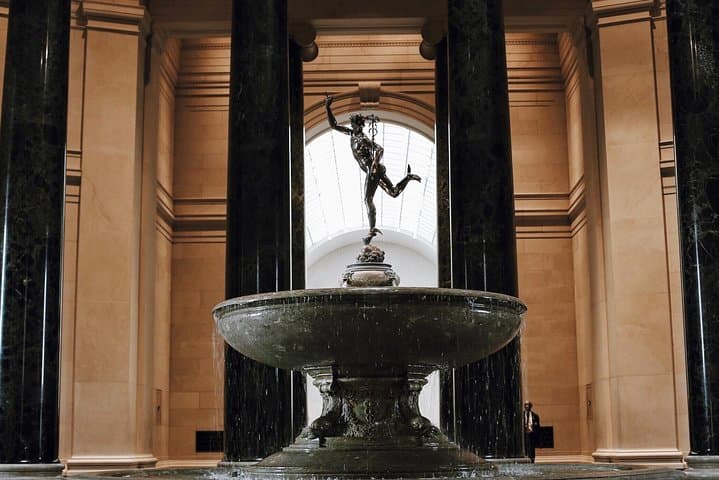
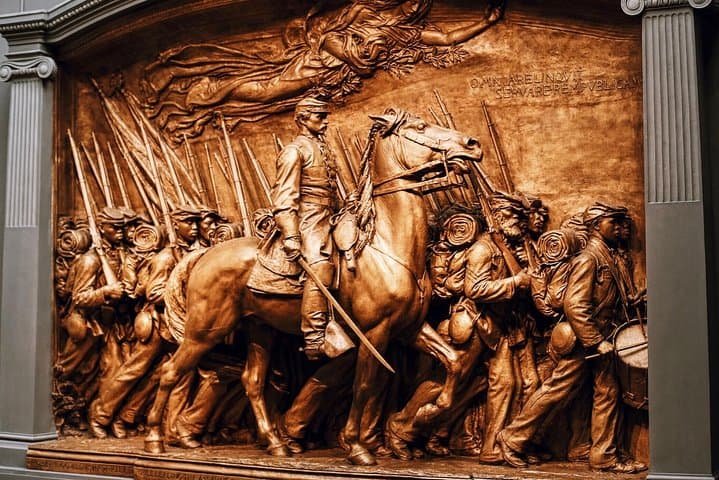
You step off Constitution Avenue into a hush that feels intentional — polished floors, measured footsteps, and paintings occupying rooms like quiet companions. The tour moves with purpose: a Da Vinci portrait that draws you close, a Monet that opens the light wider, a Rothko that asks you to slow your breath. Guides translate brushstrokes into story, technique into the human decisions behind them.
You step off Constitution Avenue into a hush that feels intentional — polished floors, measured footsteps, and paintings occupying rooms like quiet companions. The tour moves with purpose: a Da Vinci portrait that draws you close, a Monet that opens the light wider, a Rothko that asks you to slow your breath. Guides translate brushstrokes into story, technique into the human decisions behind them.
Founded from Andrew Mellon’s donation in the 1930s, the National Gallery is a physical timeline of Western art. Its West and East buildings reflect different eras — one classical marble and vaulted galleries, the other geometric modernism — sitting on the Potomac’s coastal plain where the Mall’s flat expanse allows sightlines between monuments and museums. The collection traces Renaissance portraiture through Impressionism and American modernism, touching on political power, patronage, and the social forces that moved men and movements.
Expect close walking (about 2.5 hours), standing at focal works, and rooms that require lowered voices. Guides explain technique, provenance, and the scandals that followed some masterpieces, then point out less-visited pieces tucked behind major works. Timing matters: mornings are quieter; special exhibitions can reroute itineraries. Security screens bags, and some galleries restrict conversation to protect the contemplative atmosphere.
Practical tips: wear comfortable shoes, leave large luggage at your hotel, and bring a charged phone for digital tickets. If you want photography, ask your guide; flash and tripods are not permitted. For accessibility, the Gallery is wheelchair-friendly and public transit drops you a short walk away. This semi-private format keeps groups small, making it easier to ask questions and see more than a general audio tour would allow.