THE ADVENTURE COLLECTIVE® · Independent discovery and booking for outdoor travel

Explore the National Gallery with a certified guide on a focused 2.5‑hour walk through Trafalgar Square’s premier collection. Learn the stories, techniques, and historical context behind masterpieces by da Vinci, Raphael, and Botticelli.
Explore the National Gallery with a certified guide on a focused 2.5‑hour walk through Trafalgar Square’s premier collection. Learn the stories, techniques, and historical context behind masterpieces by da Vinci, Raphael, and Botticelli.
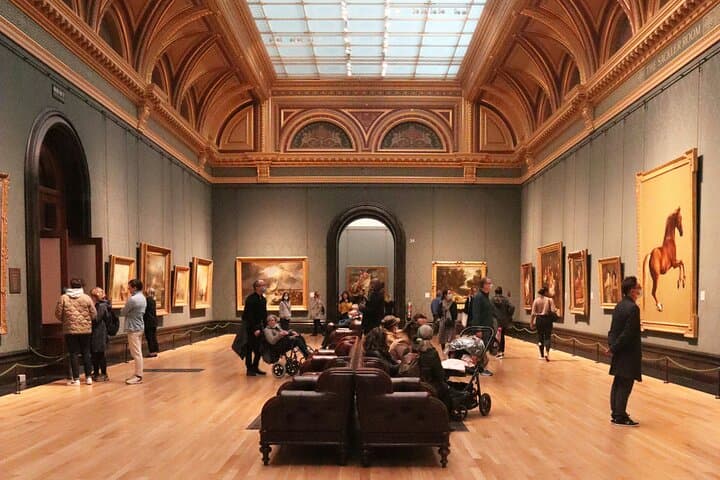
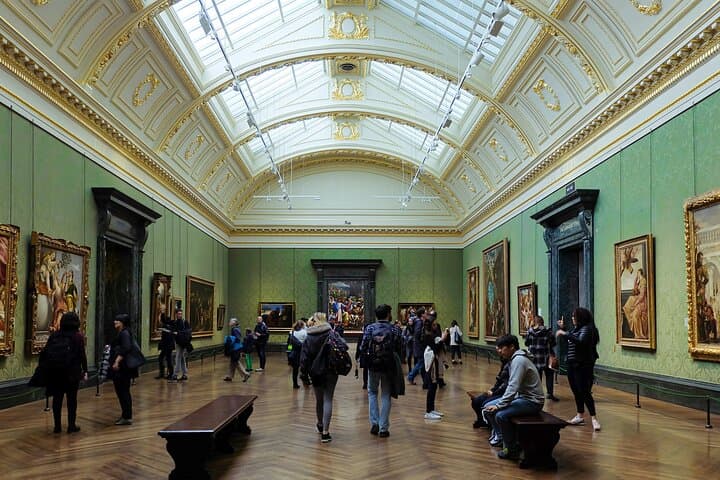
You step off Trafalgar Square into a cool, stone-quiet hall where centuries of paint and varnish hold court. Light from high windows tracks across gilt frames; a guide threads close, pointing out brushstrokes that changed how people saw the world. The tour moves deliberately—room to room—letting the art redirect your pace.
Verified experiences and guided adventures in the surrounding area.
Operated by The Great Weekender · London, England
You step off Trafalgar Square into a cool, stone-quiet hall where centuries of paint and varnish hold court. Light from high windows tracks across gilt frames; a guide threads close, pointing out brushstrokes that changed how people saw the world. The tour moves deliberately—room to room—letting the art redirect your pace.
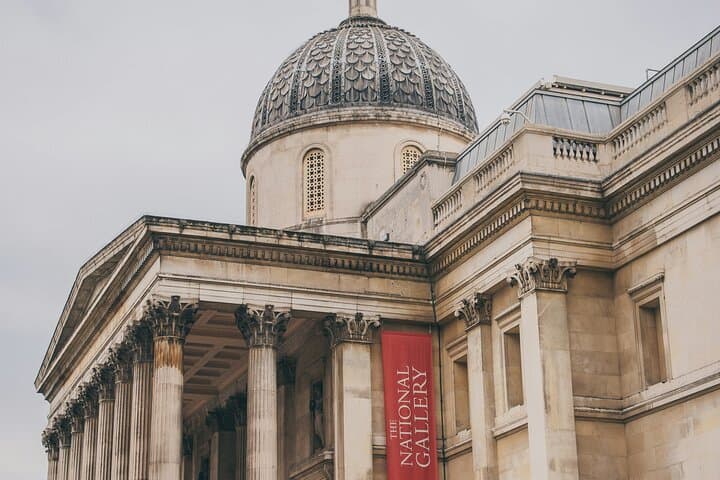
The National Gallery was founded in 1824 and moved to its Trafalgar Square site in the mid-19th century; its collection spans from the mid-13th century through the 19th, with notable Renaissance and Baroque holdings. The building itself is a product of layered London: Portland stone facades meet later additions like the Sainsbury Wing, a modern insertion that houses many Italian masters. Culture here is a public conversation—royal patrons, 19th-century civic pride, and contemporary conservation all play parts.
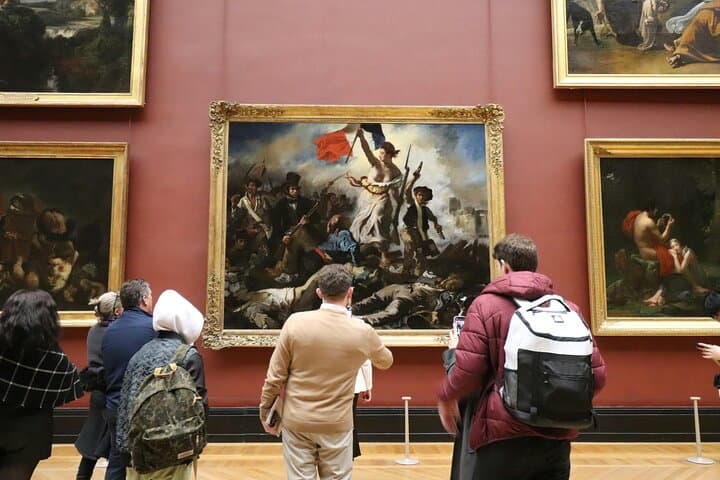
Expect focused close-looking rather than a cursory sweep: the guide will highlight works by Leonardo, Raphael and Botticelli and explain provenance, technique, and historical context. The galleries are climate-controlled; visits reward patience—stand back from a canvas to see composition, step closer for craquelure and impasto.
Practical notes: arrive 15 minutes early for timed entry, keep bags small (larger bags may need checking), and reserve a spot on the small-group tour to avoid crowded rooms. Photography without flash is generally permitted but follow your guide’s directions. Wear comfortable shoes and plan 2–3 hours—this is an intimate, slow-moving cultural hike through European art history.
easy.
2–3 hours.
Suitable for all fitness levels; requires standing and slow walking between rooms for up to 2.5 hours.
Yes — the tour provides timed entry to the National Gallery and covers access to the main highlights included in the itinerary.
The National Gallery and this tour are wheelchair accessible; contact the operator in advance to arrange any specific assistance.
Non‑flash photography is typically allowed in many rooms, but rules vary and your guide will advise where photography is restricted.
Full refunds are available if you cancel at least 24 hours before the scheduled departure; no refund within 24 hours.
Founded in 1824, the National Gallery was established as a public collection and expanded through 19th‑century civic projects to occupy its present Trafalgar Square site.
The Gallery maintains climate‑controlled galleries and active conservation labs; visitors are asked to follow photography and touching policies to protect fragile works.
The Great Weekender operates guided outdoor trips and adventures with an emphasis on safety, stewardship, and memorable experiences.
You step off Trafalgar Square into a cool, stone-quiet hall where centuries of paint and varnish hold court. Light from high windows tracks across gilt frames; a guide threads close, pointing out brushstrokes that changed how people saw the world. The tour moves deliberately—room to room—letting the art redirect your pace.
You step off Trafalgar Square into a cool, stone-quiet hall where centuries of paint and varnish hold court. Light from high windows tracks across gilt frames; a guide threads close, pointing out brushstrokes that changed how people saw the world. The tour moves deliberately—room to room—letting the art redirect your pace.
The National Gallery was founded in 1824 and moved to its Trafalgar Square site in the mid-19th century; its collection spans from the mid-13th century through the 19th, with notable Renaissance and Baroque holdings. The building itself is a product of layered London: Portland stone facades meet later additions like the Sainsbury Wing, a modern insertion that houses many Italian masters. Culture here is a public conversation—royal patrons, 19th-century civic pride, and contemporary conservation all play parts.
Expect focused close-looking rather than a cursory sweep: the guide will highlight works by Leonardo, Raphael and Botticelli and explain provenance, technique, and historical context. The galleries are climate-controlled; visits reward patience—stand back from a canvas to see composition, step closer for craquelure and impasto.
Practical notes: arrive 15 minutes early for timed entry, keep bags small (larger bags may need checking), and reserve a spot on the small-group tour to avoid crowded rooms. Photography without flash is generally permitted but follow your guide’s directions. Wear comfortable shoes and plan 2–3 hours—this is an intimate, slow-moving cultural hike through European art history.