THE ADVENTURE COLLECTIVE® · Independent discovery and booking for outdoor travel

Step into Seattle’s Museum of Illusions for quick, hands-on exhibits that twist perception and reveal how the brain interprets sight. Ideal for families and curious travelers, plan 30–90 minutes and arrive early to avoid lines.
Step into Seattle’s Museum of Illusions for quick, hands-on exhibits that twist perception and reveal how the brain interprets sight. Ideal for families and curious travelers, plan 30–90 minutes and arrive early to avoid lines.
You push through the downtown doorway and the world tilts—angles stretch, shadows play, and a chorus of camera shutters follows every impossible perspective. The Museum of Illusions Seattle compresses surprises into a compact, urban route: gravity-defying rooms, a life-size kaleidoscope, and holograms that prompt laughter and a second look.
Verified experiences and guided adventures in the surrounding area.
Operated by Museum of Illusions Seattle · Seattle, Washington
You push through the downtown doorway and the world tilts—angles stretch, shadows play, and a chorus of camera shutters follows every impossible perspective. The Museum of Illusions Seattle compresses surprises into a compact, urban route: gravity-defying rooms, a life-size kaleidoscope, and holograms that prompt laughter and a second look.
Optical illusions have a long lineage in psychology and visual art; the exhibits here turn classic tricks into hands-on demonstrations of perception and the brain’s shortcuts. Set minutes from Pike Place Market and the waterfront, the museum sits in a city shaped by maritime geology and human ambition—glacially scoured hills, a busy harbor, and a culture that mixes tech experimentation with a thriving arts scene.
Expect exhibits designed for quick, tactile interaction rather than slow reflection. Rooms are brightly lit, often compact, and intentionally arranged to create photographic moments. The layout suits families, couples, and anyone curious about the science behind what they see. The experience is wheelchair and stroller accessible, with staff on hand to explain the mechanics behind the illusions.
Practical notes: plan 30–90 minutes depending on your pace and photo stops. Tickets are mobile; show your barcode at the desk. Peak times around late afternoon and weekend mornings can be crowded—visit early or late for shorter lines. Bring a fully charged phone and a small bag; tripods and flash are typically discouraged. Public transit and pedestrian routes from Pike Place make it an easy half-day excursion combined with a walk along the piers. Leave time afterwards for coffee and the real-world view of Elliott Bay—the water will feel unusually steady after a museum that delights in making you doubt it.
easy.
30–90 minutes.
Suitable for all fitness levels; involves short periods of standing and walking
Most visitors spend 30–90 minutes depending on how many exhibits they photograph and interact with.
Tickets are recommended—mobile tickets speed entry and the attraction can be busy during weekends and holidays.
Yes. The space is wheelchair and stroller accessible, though some individual rooms are compact.
Photography for personal use is allowed; tripods and professional lighting may be restricted—check staff on arrival.
Optical illusions trace back to early studies in perception; the museum packages classic visual science into interactive installations aligned with Seattle’s experimental arts and tech culture.
The museum emphasizes educational programming and low-impact exhibits; visitors are encouraged to arrive by public transit or on foot to reduce downtown congestion.
Museum of Illusions Seattle operates guided outdoor trips and adventures with an emphasis on safety, stewardship, and memorable experiences.
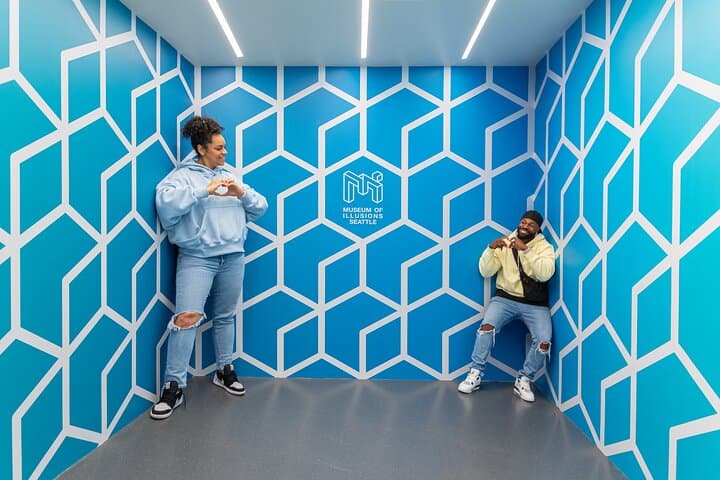
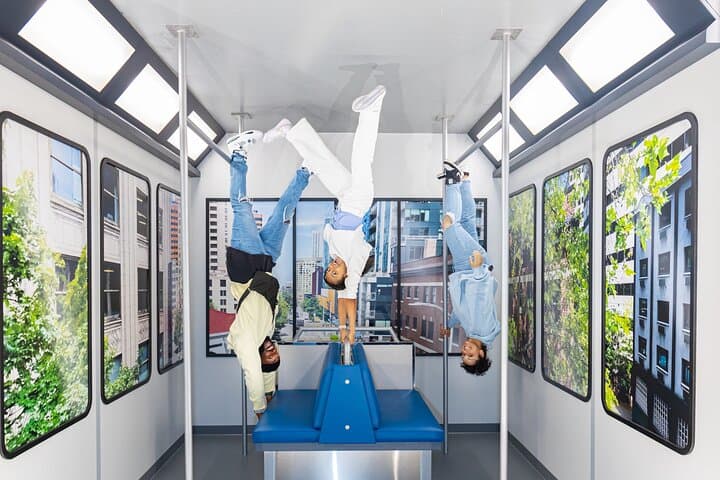
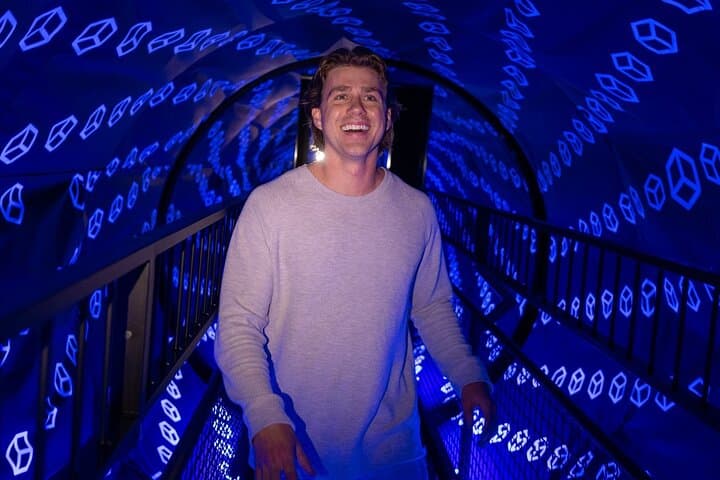
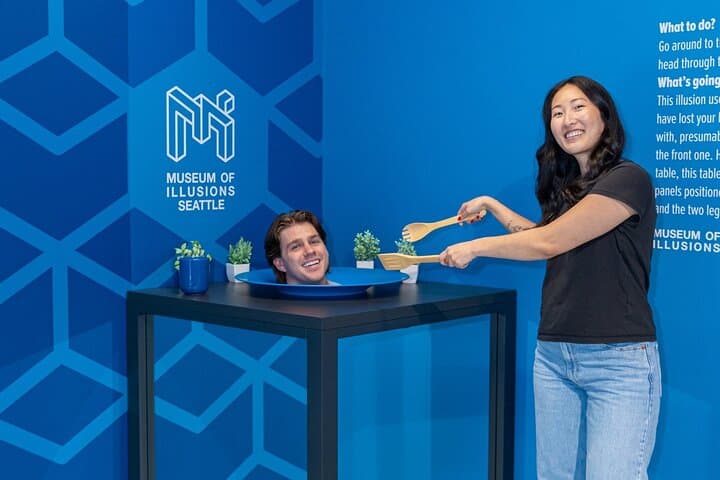
You push through the downtown doorway and the world tilts—angles stretch, shadows play, and a chorus of camera shutters follows every impossible perspective. The Museum of Illusions Seattle compresses surprises into a compact, urban route: gravity-defying rooms, a life-size kaleidoscope, and holograms that prompt laughter and a second look.
You push through the downtown doorway and the world tilts—angles stretch, shadows play, and a chorus of camera shutters follows every impossible perspective. The Museum of Illusions Seattle compresses surprises into a compact, urban route: gravity-defying rooms, a life-size kaleidoscope, and holograms that prompt laughter and a second look.
Optical illusions have a long lineage in psychology and visual art; the exhibits here turn classic tricks into hands-on demonstrations of perception and the brain’s shortcuts. Set minutes from Pike Place Market and the waterfront, the museum sits in a city shaped by maritime geology and human ambition—glacially scoured hills, a busy harbor, and a culture that mixes tech experimentation with a thriving arts scene.
Expect exhibits designed for quick, tactile interaction rather than slow reflection. Rooms are brightly lit, often compact, and intentionally arranged to create photographic moments. The layout suits families, couples, and anyone curious about the science behind what they see. The experience is wheelchair and stroller accessible, with staff on hand to explain the mechanics behind the illusions.
Practical notes: plan 30–90 minutes depending on your pace and photo stops. Tickets are mobile; show your barcode at the desk. Peak times around late afternoon and weekend mornings can be crowded—visit early or late for shorter lines. Bring a fully charged phone and a small bag; tripods and flash are typically discouraged. Public transit and pedestrian routes from Pike Place make it an easy half-day excursion combined with a walk along the piers. Leave time afterwards for coffee and the real-world view of Elliott Bay—the water will feel unusually steady after a museum that delights in making you doubt it.