THE ADVENTURE COLLECTIVE® · Independent discovery and booking for outdoor travel

Move through rainforest humidity to Arctic chill in minutes on a private, skip-the-line tour of Montreal’s Biodome. Learn about the building’s Olympic past, living ecosystems, and conservation work with a licensed guide.
Move through rainforest humidity to Arctic chill in minutes on a private, skip-the-line tour of Montreal’s Biodome. Learn about the building’s Olympic past, living ecosystems, and conservation work with a licensed guide.
Stepping through the Biodome’s glass doors, the air shifts—the rainforest breathes warm and wet, while up the corridor a cold Arctic gust brushes the skin. Visitors move from steam to chill within minutes, guided by a licensed interpreter who points out how species adapt to extremes.
Verified experiences and guided adventures in the surrounding area.
Operated by Rosotravel Canada · Montreal, Quebec
Stepping through the Biodome’s glass doors, the air shifts—the rainforest breathes warm and wet, while up the corridor a cold Arctic gust brushes the skin. Visitors move from steam to chill within minutes, guided by a licensed interpreter who points out how species adapt to extremes.
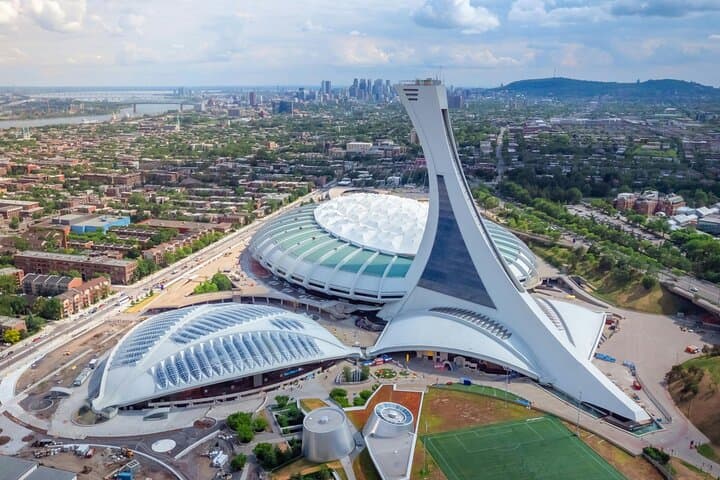
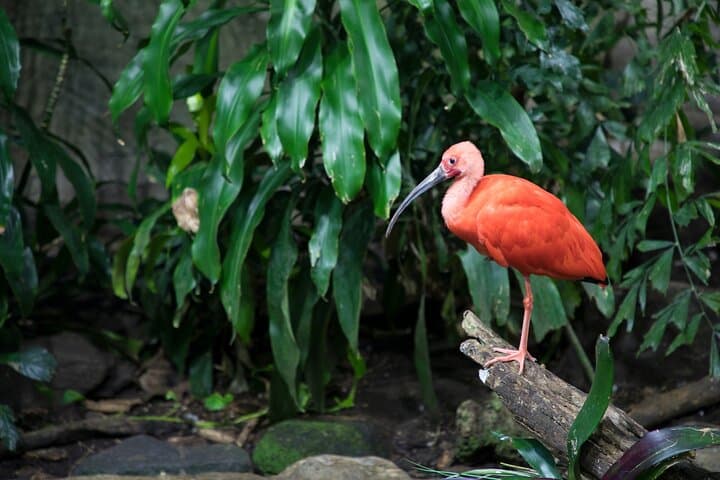
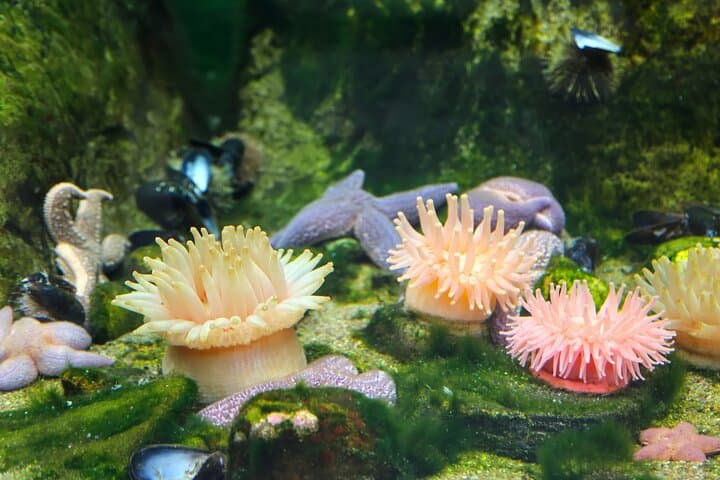
Originally an Olympic velodrome for the 1976 Games, the building was repurposed into an immersive center for ecology and conservation that reconstructs four distinct ecosystems: Tropical Rainforest, Laurentian Maple Forest, Gulf of St. Lawrence, and Subpolar Regions. The architecture preserves the arena’s scale while housing microclimates that mimic geology and ocean currents, from layered canopies to tidal pools.
Culturally, the Biodome reflects Montreal’s science-forward civic identity—an urban laboratory where school groups and researchers meet curious travelers. Exhibits emphasize species stories: how beavers engineer wetlands, why penguins hunch into wind, and how coastal currents shape marine life.
For practical planning, this private two-hour tour uses timed, skip-the-line tickets and accommodates small groups for a paced visit. Wear comfortable shoes for walking and layers—the building intentionally varies temperature by habitat. Photography is allowed but avoid flash near animals. Allow 90–120 minutes to absorb highlights; the guide can tailor stops to interests like signage on conservation or architectural quirks of the former Olympic site.
Accessibility is strong: routes are stroller- and wheelchair-friendly, and guides adapt pace for different needs. Visit during weekday mornings to avoid crowds, or pair the tour with a nearby Botanical Garden or Olympic Stadium visit for a full day in the city’s east end.
easy.
2 hours.
Suitable for all fitness levels; involves moderate walking on flat, accessible routes.
Timed skip-the-line tickets let you use the group entrance at your scheduled time, minimizing wait but you should arrive 10–15 minutes early.
Yes—routes and displays in the Biodome are wheelchair- and stroller-accessible and guides can adapt the pace to needs.
Yes—infants can ride in strollers and must sit on laps where applicable; the tour is family-friendly and paced for groups.
Food is not permitted inside habitat galleries; small backpacks are allowed but may be subject to staff direction to protect exhibits.
The Biodome opened in 1992 inside the former Olympic velodrome, converting a sports venue into a living museum that explores ecosystem dynamics.
The institution emphasizes species education and habitat simulation; visitors are encouraged to learn about human impacts and local conservation programs.
Rosotravel Canada operates guided outdoor trips and adventures with an emphasis on safety, stewardship, and memorable experiences.
Stepping through the Biodome’s glass doors, the air shifts—the rainforest breathes warm and wet, while up the corridor a cold Arctic gust brushes the skin. Visitors move from steam to chill within minutes, guided by a licensed interpreter who points out how species adapt to extremes.
Stepping through the Biodome’s glass doors, the air shifts—the rainforest breathes warm and wet, while up the corridor a cold Arctic gust brushes the skin. Visitors move from steam to chill within minutes, guided by a licensed interpreter who points out how species adapt to extremes.
Originally an Olympic velodrome for the 1976 Games, the building was repurposed into an immersive center for ecology and conservation that reconstructs four distinct ecosystems: Tropical Rainforest, Laurentian Maple Forest, Gulf of St. Lawrence, and Subpolar Regions. The architecture preserves the arena’s scale while housing microclimates that mimic geology and ocean currents, from layered canopies to tidal pools.
Culturally, the Biodome reflects Montreal’s science-forward civic identity—an urban laboratory where school groups and researchers meet curious travelers. Exhibits emphasize species stories: how beavers engineer wetlands, why penguins hunch into wind, and how coastal currents shape marine life.
For practical planning, this private two-hour tour uses timed, skip-the-line tickets and accommodates small groups for a paced visit. Wear comfortable shoes for walking and layers—the building intentionally varies temperature by habitat. Photography is allowed but avoid flash near animals. Allow 90–120 minutes to absorb highlights; the guide can tailor stops to interests like signage on conservation or architectural quirks of the former Olympic site.
Accessibility is strong: routes are stroller- and wheelchair-friendly, and guides adapt pace for different needs. Visit during weekday mornings to avoid crowds, or pair the tour with a nearby Botanical Garden or Olympic Stadium visit for a full day in the city’s east end.