THE ADVENTURE COLLECTIVE® · Independent discovery and booking for outdoor travel

Explore The Mob Museum in downtown Las Vegas: a self-guided, three-story look at organized crime, law enforcement, and the people who shaped modern Vegas. Allow 90–180 minutes to see courtroom exhibits, FBI artifacts, and a Prohibition-era speakeasy.
Explore The Mob Museum in downtown Las Vegas: a self-guided, three-story look at organized crime, law enforcement, and the people who shaped modern Vegas. Allow 90–180 minutes to see courtroom exhibits, FBI artifacts, and a Prohibition-era speakeasy.
You step off Fremont Street into a building that still carries the weight of its own stones: the former 1933 federal courthouse that now houses The Mob Museum. The marble steps cool beneath your palms and the downtown hum pulls back as you move into galleries that make history feel immediate and kinetic.
Verified experiences and guided adventures in the surrounding area.
Operated by The Mob Museum · Las Vegas, NV
You step off Fremont Street into a building that still carries the weight of its own stones: the former 1933 federal courthouse that now houses The Mob Museum. The marble steps cool beneath your palms and the downtown hum pulls back as you move into galleries that make history feel immediate and kinetic.
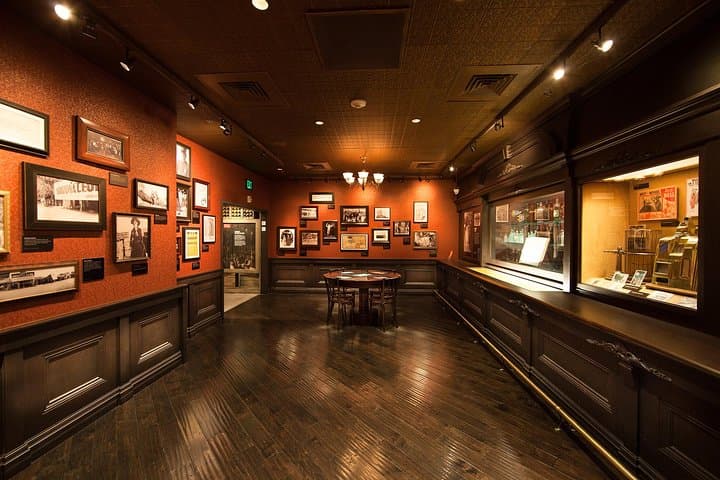
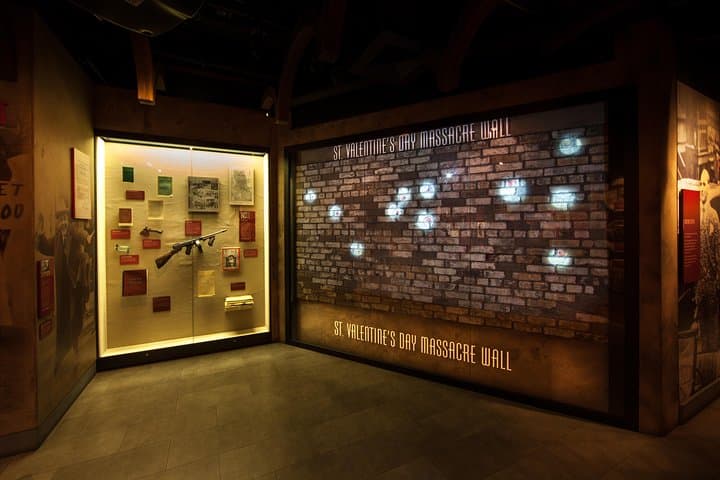
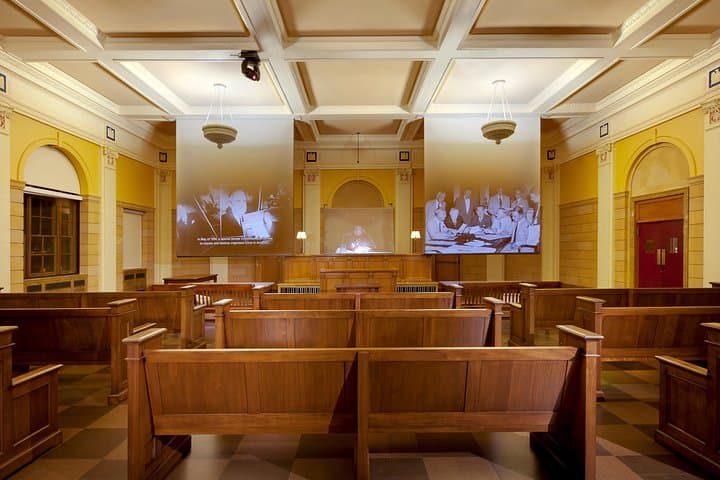
The exhibits trace threads from early American organized crime to the bootlegging networks that fed Prohibition-era Las Vegas. Stand before the St. Valentine’s Day Massacre wall, listen to archived FBI surveillance tapes, and sit in the restored courtroom where the 1950 Kefauver hearings played out on national radio—events that shaped both law enforcement and the rise of Las Vegas as a national entertainment hub.
Geology is not the feature here; the story is civic architecture and social geology—the layers of law, corruption, and commerce that built a city. Culturally, the museum ties mob figures like Bugsy Siegel and Tony Accardo to hotel and casino development, and it spotlights the investigators who pushed back.
Practical guidance: allow 90–180 minutes for a self-guided visit, familiarize yourself with content advisories (recommended for ages 12+), and pick up an audio guide or interactive map at the front desk. Photography is generally allowed but restricted in some exhibits; check staff guidance.
Plan your visit midweek or early morning to avoid Fremont crowds, wear comfortable shoes for three floors of walking, and bring a charged phone for multimedia displays. Whether you come for court transcripts, original artifacts, or cocktail-era storytelling in The Underground speakeasy, the museum delivers a grounded, unvarnished look at crime and its consequences in American life.
easy.
1.5–3 hours.
Suitable for all fitness levels; expect multiple indoor staircases and elevator access for mobility needs.
Yes—mobile or paper tickets are accepted; bring your booking confirmation for entry.
Plan 90–180 minutes for a self-guided tour; allow extra time for The Underground speakeasy if visiting.
Content can be graphic and is recommended for ages 12 and up; parental discretion is advised.
Photography is allowed in most galleries, but some exhibits restrict flash or recording—follow posted signs and staff instructions.
Housed in a 1933 federal courthouse and post office, the building hosted the 1950 Kefauver hearings and later became a repository for artifacts documenting organized crime's role in American cities and Las Vegas development.
The Mob Museum emphasizes preservation of the historic courthouse while using digital exhibits to reduce paper waste; visitors are encouraged to use public transit and digital tickets to minimize footprint.
The Mob Museum operates guided outdoor trips and adventures with an emphasis on safety, stewardship, and memorable experiences.
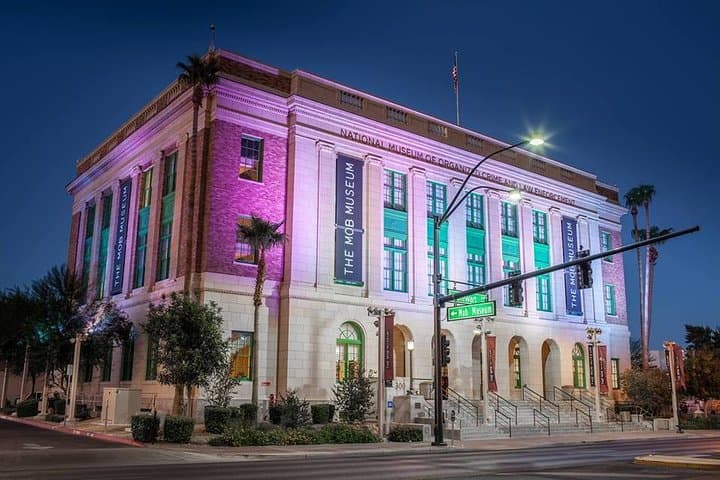
You step off Fremont Street into a building that still carries the weight of its own stones: the former 1933 federal courthouse that now houses The Mob Museum. The marble steps cool beneath your palms and the downtown hum pulls back as you move into galleries that make history feel immediate and kinetic.
You step off Fremont Street into a building that still carries the weight of its own stones: the former 1933 federal courthouse that now houses The Mob Museum. The marble steps cool beneath your palms and the downtown hum pulls back as you move into galleries that make history feel immediate and kinetic.
The exhibits trace threads from early American organized crime to the bootlegging networks that fed Prohibition-era Las Vegas. Stand before the St. Valentine’s Day Massacre wall, listen to archived FBI surveillance tapes, and sit in the restored courtroom where the 1950 Kefauver hearings played out on national radio—events that shaped both law enforcement and the rise of Las Vegas as a national entertainment hub.
Geology is not the feature here; the story is civic architecture and social geology—the layers of law, corruption, and commerce that built a city. Culturally, the museum ties mob figures like Bugsy Siegel and Tony Accardo to hotel and casino development, and it spotlights the investigators who pushed back.
Practical guidance: allow 90–180 minutes for a self-guided visit, familiarize yourself with content advisories (recommended for ages 12+), and pick up an audio guide or interactive map at the front desk. Photography is generally allowed but restricted in some exhibits; check staff guidance.
Plan your visit midweek or early morning to avoid Fremont crowds, wear comfortable shoes for three floors of walking, and bring a charged phone for multimedia displays. Whether you come for court transcripts, original artifacts, or cocktail-era storytelling in The Underground speakeasy, the museum delivers a grounded, unvarnished look at crime and its consequences in American life.