THE ADVENTURE COLLECTIVE® · Independent discovery and booking for outdoor travel

A sober, fact‑based limo tour that traces the locations tied to the Manson Family crimes across Los Angeles. Expect a three‑hour, drive‑by experience that combines history, context and respectful storytelling.
A sober, fact‑based limo tour that traces the locations tied to the Manson Family crimes across Los Angeles. Expect a three‑hour, drive‑by experience that combines history, context and respectful storytelling.
You step into a black limo at the Ovation Center on Hollywood Boulevard, the city’s noise muffled by tinted glass. Streets that usually sell glamour instead feel like pages in a grim chapter; palms lean over concrete and the Hollywood Hills watch with an indifferent calm. The guide settles the group, sets a sober tone, and the ride begins — an urban procession through sites where history and atrocity intersect.
Verified experiences and guided adventures in the surrounding area.
Operated by Grave Line Tours · Los Angeles, California
You step into a black limo at the Ovation Center on Hollywood Boulevard, the city’s noise muffled by tinted glass. Streets that usually sell glamour instead feel like pages in a grim chapter; palms lean over concrete and the Hollywood Hills watch with an indifferent calm. The guide settles the group, sets a sober tone, and the ride begins — an urban procession through sites where history and atrocity intersect.
The tour threads together the 1969 Tate–LaBianca murders, Charles Manson’s beachhead at Spahn Ranch, and the social unrest of late‑60s Los Angeles. Geology and topography frame the story: the steep residential canyons of Laurel Canyon and Benedict Canyon provided isolation for the group, while the flat streets of Hollywood and the Westside exposed crimes to a public that would never be the same.
Culturally, the route exposes the collision of celebrity, counterculture and law enforcement that amplified the case nationally. Many stops are private properties now; the tour is a respectful drive‑by that emphasizes context over sensationalism.
Practicalities matter: the excursion lasts about three hours, runs in small groups, and typically departs from Hollywood & Highland. Bring a charged phone for route materials, but respect private homes and current residents — photos are allowed but avoid lingering or trespassing. If you’re sensitive to violent subjects, consider skipping this tour; guides assume an audience ready for explicit historical detail. Book early, arrive 15 minutes before departure, and plan for LA traffic — a short route can take longer in peak hours. The experience is part true‑crime history lesson, part urban history drive, delivered with an emphasis on facts, respect and context.
easy.
3 hours.
Suitable for most fitness levels; minimal walking and short standing stops.
No — the tour conducts respectful drive‑bys and explains context from the vehicle or public vantage points; homes are private and not open to visitors.
Not recommended for young children due to graphic subject matter; guides advise parental discretion.
Pick‑up and drop‑off are at the Ovation Center (6801 Hollywood Blvd) near Hollywood & Highland; arrive 15 minutes early.
Full refund if cancelled at least 24 hours before departure; check operator rules for last‑minute changes.
In 1969 Charles Manson’s followers committed high‑profile murders that reshaped perceptions of Los Angeles and signaled the end of a cultural era.
This is an urban, residential route—preserve neighborhood integrity by staying on public streets, minimizing noise, and avoiding any interaction with private property.
Grave Line Tours operates guided outdoor trips and adventures with an emphasis on safety, stewardship, and memorable experiences.
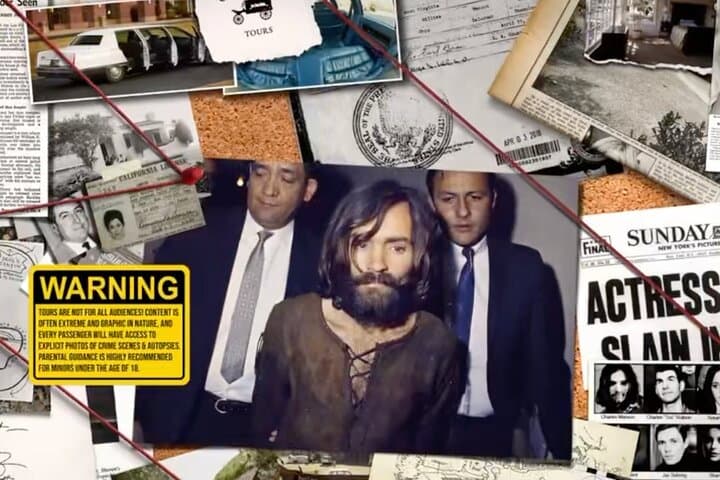
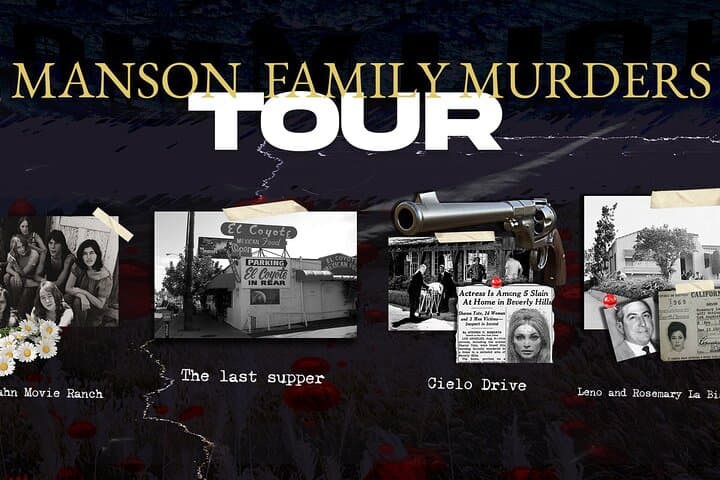
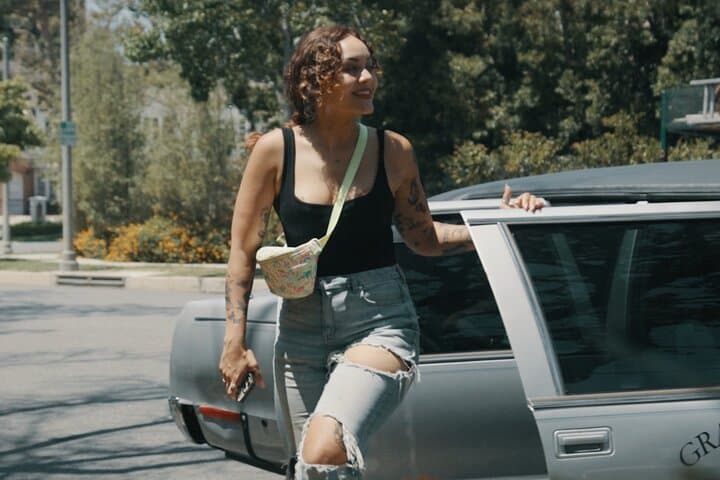
You step into a black limo at the Ovation Center on Hollywood Boulevard, the city’s noise muffled by tinted glass. Streets that usually sell glamour instead feel like pages in a grim chapter; palms lean over concrete and the Hollywood Hills watch with an indifferent calm. The guide settles the group, sets a sober tone, and the ride begins — an urban procession through sites where history and atrocity intersect.
You step into a black limo at the Ovation Center on Hollywood Boulevard, the city’s noise muffled by tinted glass. Streets that usually sell glamour instead feel like pages in a grim chapter; palms lean over concrete and the Hollywood Hills watch with an indifferent calm. The guide settles the group, sets a sober tone, and the ride begins — an urban procession through sites where history and atrocity intersect.
The tour threads together the 1969 Tate–LaBianca murders, Charles Manson’s beachhead at Spahn Ranch, and the social unrest of late‑60s Los Angeles. Geology and topography frame the story: the steep residential canyons of Laurel Canyon and Benedict Canyon provided isolation for the group, while the flat streets of Hollywood and the Westside exposed crimes to a public that would never be the same.
Culturally, the route exposes the collision of celebrity, counterculture and law enforcement that amplified the case nationally. Many stops are private properties now; the tour is a respectful drive‑by that emphasizes context over sensationalism.
Practicalities matter: the excursion lasts about three hours, runs in small groups, and typically departs from Hollywood & Highland. Bring a charged phone for route materials, but respect private homes and current residents — photos are allowed but avoid lingering or trespassing. If you’re sensitive to violent subjects, consider skipping this tour; guides assume an audience ready for explicit historical detail. Book early, arrive 15 minutes before departure, and plan for LA traffic — a short route can take longer in peak hours. The experience is part true‑crime history lesson, part urban history drive, delivered with an emphasis on facts, respect and context.