THE ADVENTURE COLLECTIVE® · Independent discovery and booking for outdoor travel

Skip the lines and move through the Louvre with an expert guide who unlocks the stories behind Mona Lisa, Venus de Milo, and Napoleon’s coronation. Discover practical tips for timing, accessibility, and what to expect when crowds press in around the world’s most famous painting.
Skip the lines and move through the Louvre with an expert guide who unlocks the stories behind Mona Lisa, Venus de Milo, and Napoleon’s coronation. Discover practical tips for timing, accessibility, and what to expect when crowds press in around the world’s most famous painting.
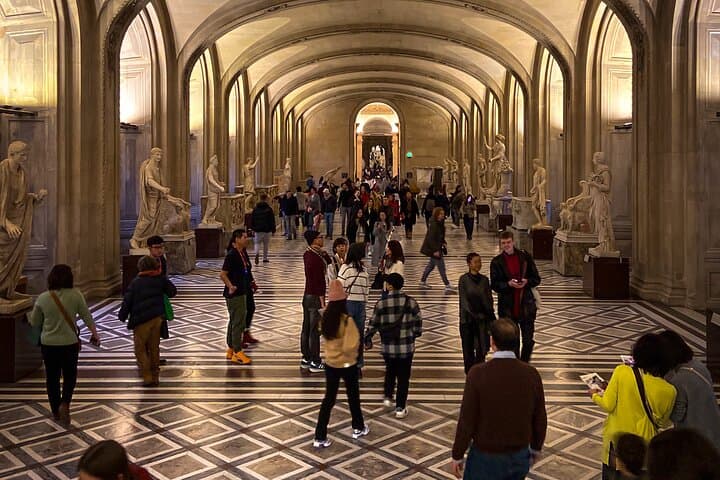
You step from the bright geometry of I.M. Pei’s glass pyramid into a cool, echoing hall where centuries of stone and canvas rearrange the city’s pulse. The guide moves with practiced rhythm, guiding a group through galleries that hum with whispered histories and the faint scrape of footsteps on worn flagstones.
Verified experiences and guided adventures in the surrounding area.
Operated by Uncle Sam Tours · Paris, Île-de-France
You step from the bright geometry of I.M. Pei’s glass pyramid into a cool, echoing hall where centuries of stone and canvas rearrange the city’s pulse. The guide moves with practiced rhythm, guiding a group through galleries that hum with whispered histories and the faint scrape of footsteps on worn flagstones.
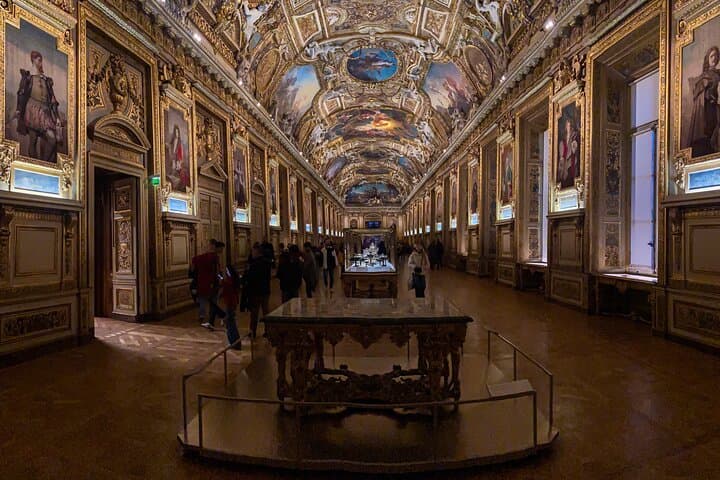
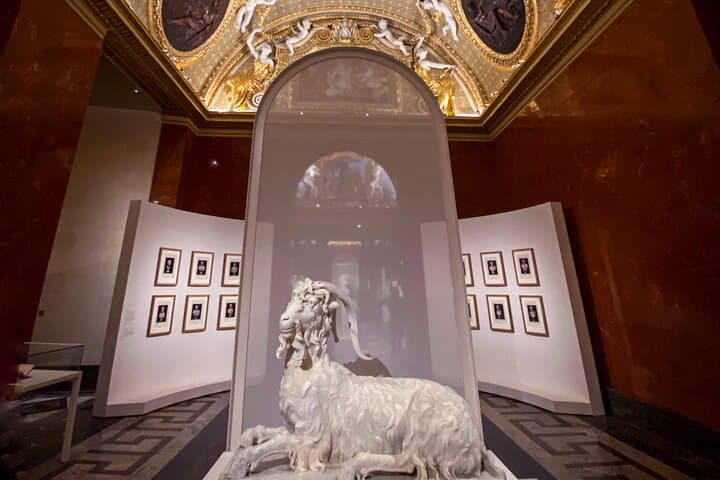
The Louvre began life as a 12th-century fortress and later expanded into the royal palace that frames the museum today; its limestone and marble tell a layered story of medieval defense, royal display, and Revolutionary repurposing. The collections span ancient Egyptian statuary to neoclassical monuments—Venus de Milo and Winged Victory occupy rooms that once housed courtly ceremony, while paintings like The Coronation of Napoleon reflect France’s political theatre.
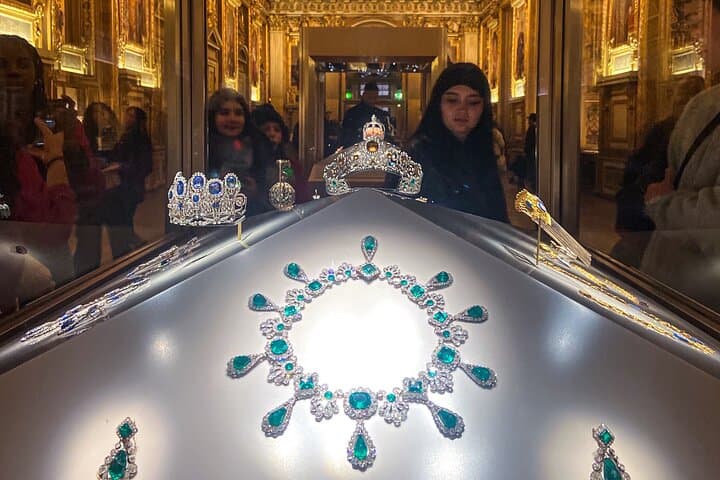
Expect crowds around the Mona Lisa; reserved access reduces queuing but doesn’t erase the buzz. The Carrousel and the inverted pyramid below offer quieter architectural moments, and the Richelieu wings hide ornate apartments and sculpture courts often overlooked by first-time visitors.
Practical guidance: plan for 2–2.5 hours, wear supportive shoes (stone floors are unforgiving), and bring a small water bottle—the museum has refreshment points but lines can be long. Photography rules vary by room; avoid flash and follow signage. Arrive early or choose a late-morning slot to catch galleries as they settle. For those with mobility needs, ramps and elevators exist but certain wings have uneven thresholds. Above all, move deliberately: the museum rewards attention more than speed.
easy.
2–2.5 hours.
Light walking ability required—able to stand and move at a museum pace for a couple of hours.
This tour includes the reserved museum entrance fee for adults as specified; free admission rules (under‑18 or EEA under‑26) still require appropriate ID.
Reserved access reduces queue time, but barriers and crowd control keep visitors a short distance from the painting for preservation and safety.
The Louvre has elevators and ramped access in many areas and is stroller-friendly, but some older wings have thresholds—advise the operator of mobility needs when booking.
Yes—an expert guide prioritizes highlights and context, helping first-time visitors navigate the museum’s scale and select key works to focus on.
Originally a 12th-century fortress, the Louvre became a royal palace before opening as a public museum during the French Revolution in 1793.
The Louvre enforces protective rules—no flash photography for fragile works and controlled visitor flow to reduce wear; follow signage and don’t cross barriers to protect collections.
Uncle Sam Tours operates guided outdoor trips and adventures with an emphasis on safety, stewardship, and memorable experiences.
You step from the bright geometry of I.M. Pei’s glass pyramid into a cool, echoing hall where centuries of stone and canvas rearrange the city’s pulse. The guide moves with practiced rhythm, guiding a group through galleries that hum with whispered histories and the faint scrape of footsteps on worn flagstones.
You step from the bright geometry of I.M. Pei’s glass pyramid into a cool, echoing hall where centuries of stone and canvas rearrange the city’s pulse. The guide moves with practiced rhythm, guiding a group through galleries that hum with whispered histories and the faint scrape of footsteps on worn flagstones.
The Louvre began life as a 12th-century fortress and later expanded into the royal palace that frames the museum today; its limestone and marble tell a layered story of medieval defense, royal display, and Revolutionary repurposing. The collections span ancient Egyptian statuary to neoclassical monuments—Venus de Milo and Winged Victory occupy rooms that once housed courtly ceremony, while paintings like The Coronation of Napoleon reflect France’s political theatre.
Expect crowds around the Mona Lisa; reserved access reduces queuing but doesn’t erase the buzz. The Carrousel and the inverted pyramid below offer quieter architectural moments, and the Richelieu wings hide ornate apartments and sculpture courts often overlooked by first-time visitors.
Practical guidance: plan for 2–2.5 hours, wear supportive shoes (stone floors are unforgiving), and bring a small water bottle—the museum has refreshment points but lines can be long. Photography rules vary by room; avoid flash and follow signage. Arrive early or choose a late-morning slot to catch galleries as they settle. For those with mobility needs, ramps and elevators exist but certain wings have uneven thresholds. Above all, move deliberately: the museum rewards attention more than speed.