THE ADVENTURE COLLECTIVE® · Independent discovery and booking for outdoor travel

A guided visit to the Louvre lets you move from the pyramid to the Mona Lisa with context, without the guesswork. Combine a private guide, breakfast at the museum and a Seine cruise to balance focused gallery time with open-air views.
A guided visit to the Louvre lets you move from the pyramid to the Mona Lisa with context, without the guesswork. Combine a private guide, breakfast at the museum and a Seine cruise to balance focused gallery time with open-air views.
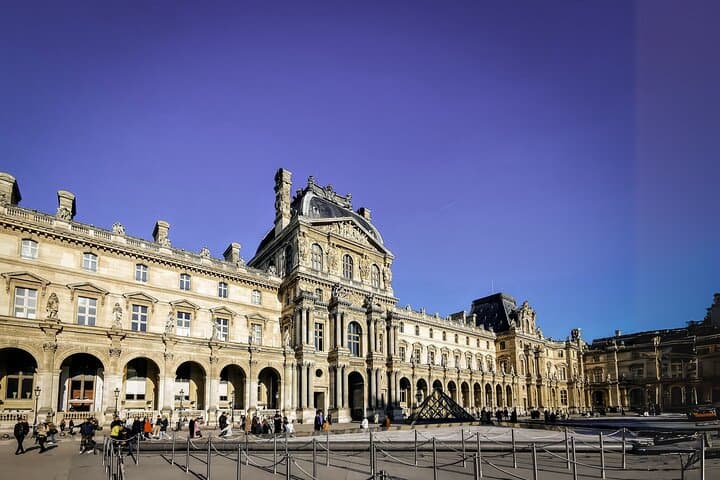
You step out of a metro puff of city air and the glass pyramid rises before you — a geometric gate that parts the bustle and the hush of galleries. The Seine glances past a few blocks away, urging you to turn your pace from street-level curiosity to museum focus.
Verified experiences and guided adventures in the surrounding area.
Operated by Wonder Meets and Tours · Paris, Île-de-France
You step out of a metro puff of city air and the glass pyramid rises before you — a geometric gate that parts the bustle and the hush of galleries. The Seine glances past a few blocks away, urging you to turn your pace from street-level curiosity to museum focus.
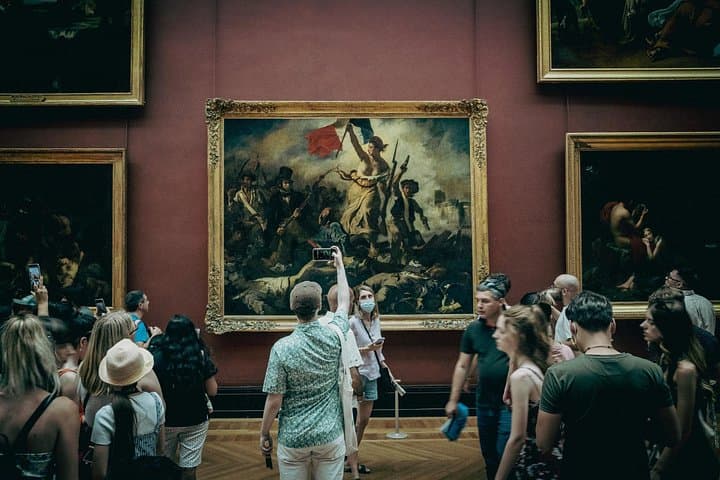
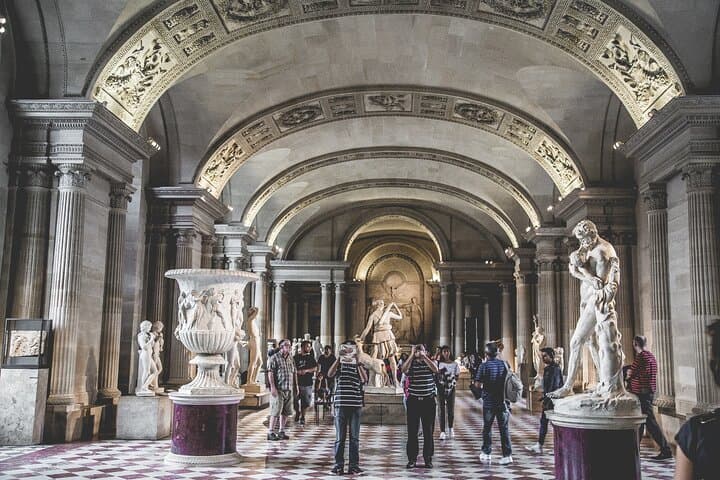
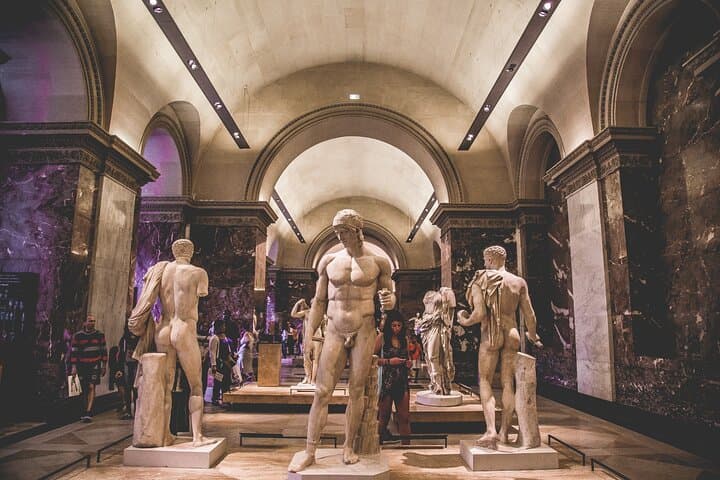
The Louvre began life as a 12th-century fortress, remade under Louis XIV into a royal palace and ultimately opened to the public after the Revolution. Its rooms hold millennia of objects—Egyptian stone, Greek marble, Renaissance portraiture—and more modern narratives about how nations collect and display power. The palace sits on the Seine's alluvial plain; its foundations reflect centuries of Parisian urban layering rather than dramatic geology.
Culturally, a museum visit is as much about circulation as close-looking: the historical axis—Carrousel, Tuileries, Champs-Élysées—frames how Paris narrates itself, while local cafés and bookshops around the rue de Rivoli keep talk alive between galleries.
Practical guidance: choose a private guide to compress context into a focused route and skip time lost debating which wing to visit. Mobile tickets and audio guides are common; plan for security checks and brief waits. If you add breakfast at the Louvre and a hop-on hop-off Seine cruise, you can split the day into close-looking indoors and wind-on-face outdoor time. Wear comfortable shoes for polished stone floors, carry a small pack with water and a charger, and book peak-season entries early in the morning to avoid crowds.
easy.
30–180 minutes.
Minimal fitness required; you'll be standing and walking on hard floors for up to a few hours—comfortable footwear helps.
No — mobile tickets are accepted at the Louvre, but keep your confirmation and ID accessible for entry and concessions.
Yes; the Mona Lisa is in the Denon Wing and accessible with standard admission, though viewing can be brief when crowds are large.
The route and museum have accessibility options and most areas are accessible, though some rooms require ramp routing; check ahead if you need specific accommodations.
Audio guides are commonly available with admission or included in some ticket packages; private guide options provide live interpretation instead.
Originally a medieval fortress, the Louvre became a royal residence and then a public museum after the French Revolution; its collection expanded through royal acquisitions and Napoleonic spoils.
The Louvre operates conservation labs and follows strict climate and light controls to protect works; visitors are encouraged to avoid flash photography and follow signage to reduce wear.
Wonder Meets and Tours operates guided outdoor trips and adventures with an emphasis on safety, stewardship, and memorable experiences.
You step out of a metro puff of city air and the glass pyramid rises before you — a geometric gate that parts the bustle and the hush of galleries. The Seine glances past a few blocks away, urging you to turn your pace from street-level curiosity to museum focus.
You step out of a metro puff of city air and the glass pyramid rises before you — a geometric gate that parts the bustle and the hush of galleries. The Seine glances past a few blocks away, urging you to turn your pace from street-level curiosity to museum focus.
The Louvre began life as a 12th-century fortress, remade under Louis XIV into a royal palace and ultimately opened to the public after the Revolution. Its rooms hold millennia of objects—Egyptian stone, Greek marble, Renaissance portraiture—and more modern narratives about how nations collect and display power. The palace sits on the Seine's alluvial plain; its foundations reflect centuries of Parisian urban layering rather than dramatic geology.
Culturally, a museum visit is as much about circulation as close-looking: the historical axis—Carrousel, Tuileries, Champs-Élysées—frames how Paris narrates itself, while local cafés and bookshops around the rue de Rivoli keep talk alive between galleries.
Practical guidance: choose a private guide to compress context into a focused route and skip time lost debating which wing to visit. Mobile tickets and audio guides are common; plan for security checks and brief waits. If you add breakfast at the Louvre and a hop-on hop-off Seine cruise, you can split the day into close-looking indoors and wind-on-face outdoor time. Wear comfortable shoes for polished stone floors, carry a small pack with water and a charger, and book peak-season entries early in the morning to avoid crowds.