THE ADVENTURE COLLECTIVE® · Independent discovery and booking for outdoor travel

Witness the making of the Kiswah—the Kaaba’s black silk covering—and visit the nearby Hudaybiyyah site on a private, accessible half-day tour from Makkah. Expect hands-on craftsmanship, historical context, and practical visitor guidance for a tight cultural outing.
Witness the making of the Kiswah—the Kaaba’s black silk covering—and visit the nearby Hudaybiyyah site on a private, accessible half-day tour from Makkah. Expect hands-on craftsmanship, historical context, and practical visitor guidance for a tight cultural outing.
You arrive on a low, sunbaked road outside Makkah; a warm wind paces the corrugated roofs while the black of the Kiswah feels almost magnetic in the factory yard.
Verified experiences and guided adventures in the surrounding area.
Operated by TREVOPEDIA · Makkah, Makkah Province
You arrive on a low, sunbaked road outside Makkah; a warm wind paces the corrugated roofs while the black of the Kiswah feels almost magnetic in the factory yard.
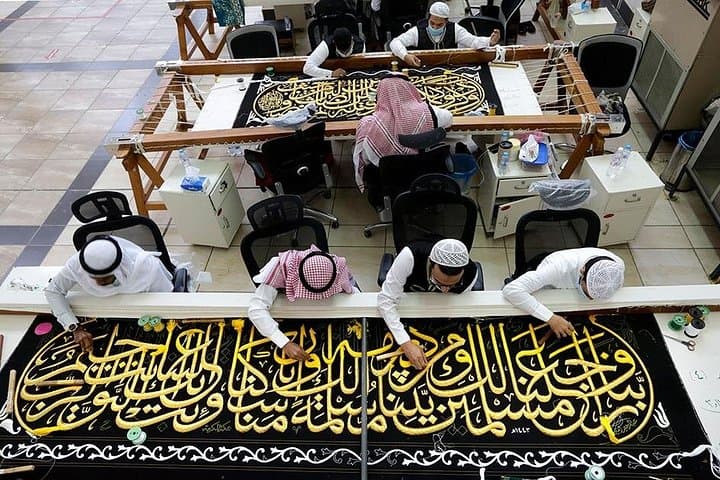
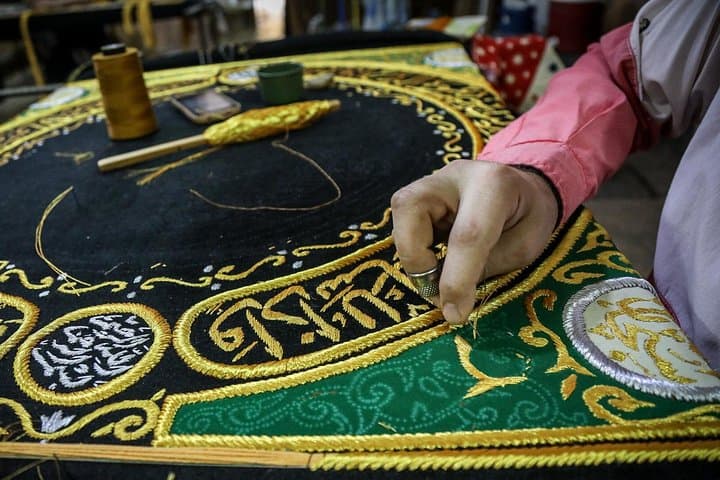
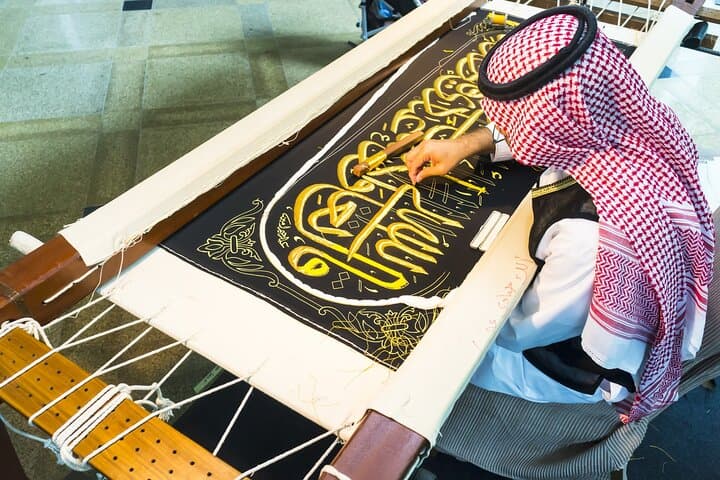
Inside, rows of looms and embroidery stations hum with deliberate rhythm. Artisans lean close to shimmering gold thread, translating centuries of religious practice into cloth. The factory’s processes—dyeing, weaving, and the needlework that stitches Quranic verses—are methodical and exact, each step carrying both technical mastery and spiritual weight.
The Kiswah tradition predates Islam and was institutionalized under King Abdulaziz in 1927; this factory in Umm Al-Joud continues that state-sponsored craft. Nearby, the plain of Hudaybiyyah stages a different kind of history: in 628 CE the Treaty of Hudaybiyyah altered pilgrimage politics and changed relations across the peninsula. The landscape here is spare—desert plain punctuated by low hills that have guided pilgrims and caravans for millennia, and the wind often seems to press you to listen.
Practical guidance: tours run about 2–3 hours including transportation; photography may be restricted in areas, and modest clothing is required. The site is largely wheelchair accessible but expect industrial floors and guided paths. Bring water, a respectful attitude toward ongoing religious traditions, and time for brief stops at the Hudaybiyyah ruins to read the markers and imagine the original encampment. Morning departures avoid heat and deliver softer light for photos. For travelers seeking a compact, culturally rich half-day from central Makkah, this is a focused look at craft, faith, and a pivot point in Islamic history.
easy.
2–3 hours.
Suitable for most visitors; minimal walking and no sustained exertion required.
The full excursion including transport typically lasts 2–3 hours, with roughly 90 minutes at the Kiswah Factory and a short stop at Hudaybiyyah.
Yes, guided visits are arranged; access can be limited to guided groups and some production zones may be off-limits.
Photography is often allowed in public areas but restricted on certain floors or near artisans—always confirm with your guide on arrival.
Yes—transport and the sites are described as wheelchair accessible, though factory floors are industrial; notify the operator of mobility needs in advance.
The Kiswah’s wrapping of the Kaaba is an ancient practice formalized under Saudi administration in 1927; the Treaty of Hudaybiyyah (628 CE) is a pivotal diplomatic moment commemorated nearby.
Respect for cultural heritage is key—avoid touching textiles and follow photography rules to reduce disruption; support preservation by following site guidelines and minimizing waste.
TREVOPEDIA operates guided outdoor trips and adventures with an emphasis on safety, stewardship, and memorable experiences.
You arrive on a low, sunbaked road outside Makkah; a warm wind paces the corrugated roofs while the black of the Kiswah feels almost magnetic in the factory yard.
You arrive on a low, sunbaked road outside Makkah; a warm wind paces the corrugated roofs while the black of the Kiswah feels almost magnetic in the factory yard.
Inside, rows of looms and embroidery stations hum with deliberate rhythm. Artisans lean close to shimmering gold thread, translating centuries of religious practice into cloth. The factory’s processes—dyeing, weaving, and the needlework that stitches Quranic verses—are methodical and exact, each step carrying both technical mastery and spiritual weight.
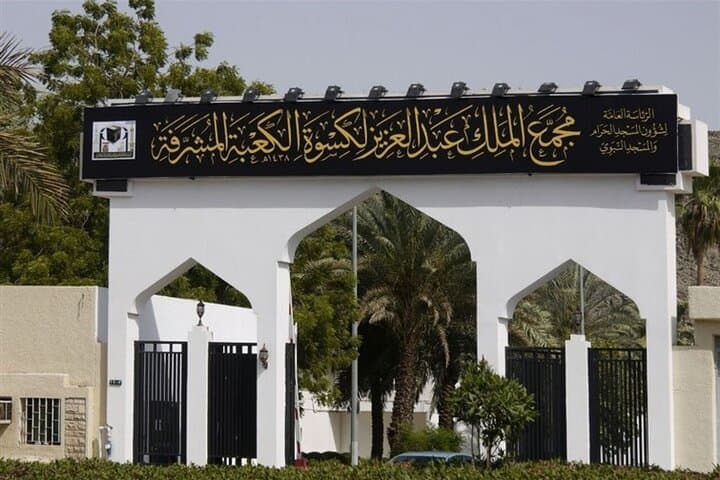
The Kiswah tradition predates Islam and was institutionalized under King Abdulaziz in 1927; this factory in Umm Al-Joud continues that state-sponsored craft. Nearby, the plain of Hudaybiyyah stages a different kind of history: in 628 CE the Treaty of Hudaybiyyah altered pilgrimage politics and changed relations across the peninsula. The landscape here is spare—desert plain punctuated by low hills that have guided pilgrims and caravans for millennia, and the wind often seems to press you to listen.
Practical guidance: tours run about 2–3 hours including transportation; photography may be restricted in areas, and modest clothing is required. The site is largely wheelchair accessible but expect industrial floors and guided paths. Bring water, a respectful attitude toward ongoing religious traditions, and time for brief stops at the Hudaybiyyah ruins to read the markers and imagine the original encampment. Morning departures avoid heat and deliver softer light for photos. For travelers seeking a compact, culturally rich half-day from central Makkah, this is a focused look at craft, faith, and a pivot point in Islamic history.