THE ADVENTURE COLLECTIVE® · Independent discovery and booking for outdoor travel

Step into a Las Vegas attraction where mirrors and LED light reshape space. This guide explains what to expect inside the Infinity Museum—its highlights, accessibility, and practical tips for capturing the best photos without missing the experience.
Step into a Las Vegas attraction where mirrors and LED light reshape space. This guide explains what to expect inside the Infinity Museum—its highlights, accessibility, and practical tips for capturing the best photos without missing the experience.
You step through the door and the light seems to multiply—mirrors catching LED halos, panels folding space until the room refuses to tell you where it begins or ends.
Verified experiences and guided adventures in the surrounding area.
Operated by Infinity Museum Las Vegas · Las Vegas, Nevada
You step through the door and the light seems to multiply—mirrors catching LED halos, panels folding space until the room refuses to tell you where it begins or ends.
Located minutes from the Las Vegas Strip, Infinity Museum turns reflection into a structural element: rooms built from mirrors, silver spheres suspended like planets, and a walk-in mirrored dodecahedron that forces you to confront your image from every angle. The installations owe a clear debt to the global boom in immersive mirror art that followed artists like Yayoi Kusama; locally, the museum joins a fast-growing scene of experiential venues that blend art, technology, and social media culture.
Geologically the city sits on basin-and-range country carved by long-ago tectonic shifts; here inside, light becomes the active element, shaping perceived depth and scale rather than stone or desert heat. Culturally, the museum is part of Las Vegas’s pivot from spectacle gambling to Instagram-ready attractions—designed for creators, families, and anyone curious about perception.
Practical notes: plan 60–90 minutes, use the free parking and front lockers, and expect accessible routes and stroller-friendly floors. Be aware the exhibit uses flashing lights and strong patterns—those with photosensitivity or epilepsy should avoid certain rooms. Visit during weekday mornings or late afternoons to dodge crowds and get cleaner photo opportunities. Bring a fully charged camera or phone (no tripods indoors), soft-soled shoes for standing, and a patient mindset: popular rooms have short waits but reward persistence with unique perspectives. Respect other visitors’ frames, keep quiet in immersive zones, and leave no trace—these rooms are delicate and best experienced with attention.
easy.
1–1.5 hours.
Suitable for most physical abilities; requires standing and light walking but no strenuous exertion.
Most visitors spend 60–90 minutes exploring the seven rooms at a relaxed pace; photographers may stay longer.
Yes—stroller access is provided and the museum is family-friendly, though some rooms may have narrow entryways or flashing lights not suitable for all children.
The facility is wheelchair-accessible with ramps and smooth surfaces; staff can advise on room access if needed.
Tripods and external lighting are generally not allowed; check with staff for exceptions for accredited media.
Mirror-based immersive rooms gained global popularity after landmark installations by contemporary artists; Las Vegas’s experiential venues have adapted the form to the city’s appetite for participatory art.
The museum uses energy-intensive LED displays—visit thoughtfully, minimize photo retakes, and follow staff guidance to reduce wear on delicate installations.
Infinity Museum Las Vegas operates guided outdoor trips and adventures with an emphasis on safety, stewardship, and memorable experiences.
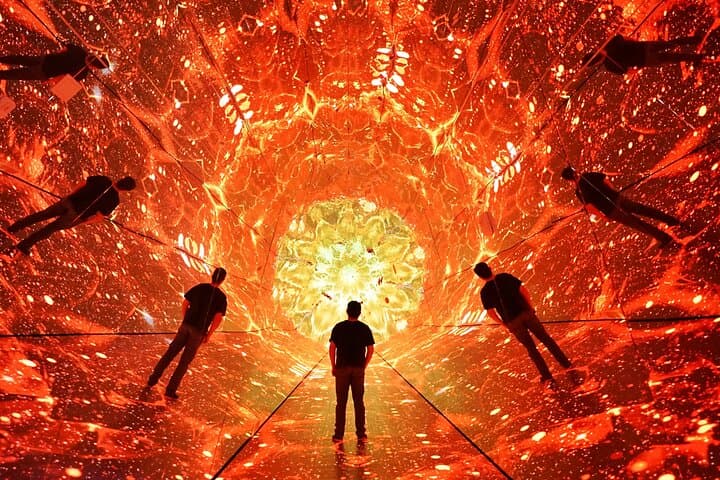
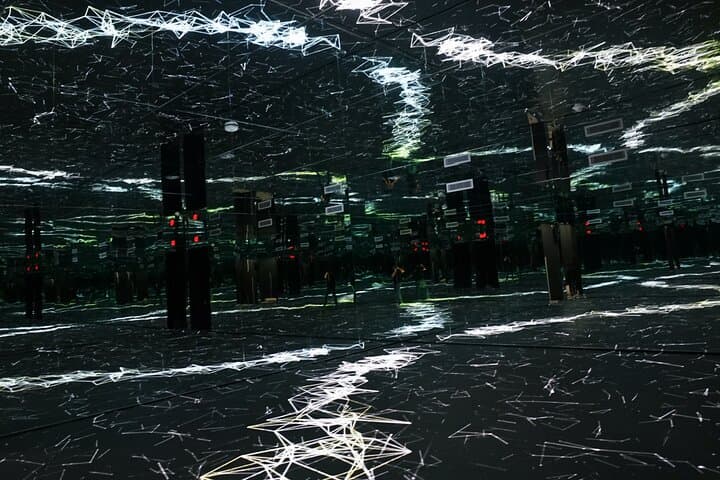
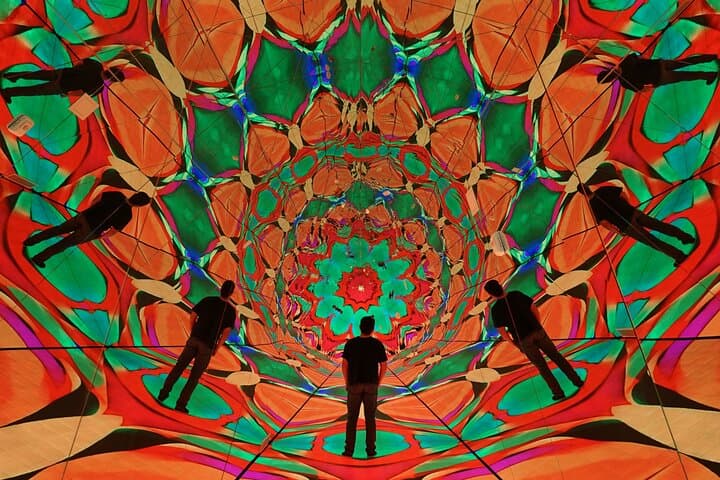
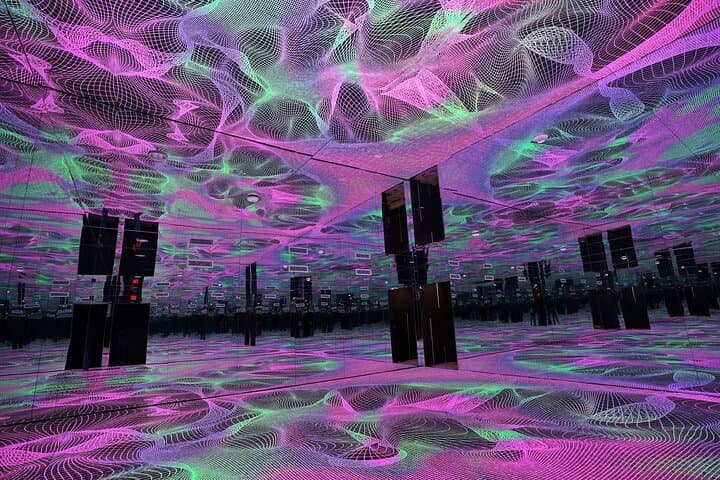
You step through the door and the light seems to multiply—mirrors catching LED halos, panels folding space until the room refuses to tell you where it begins or ends.
You step through the door and the light seems to multiply—mirrors catching LED halos, panels folding space until the room refuses to tell you where it begins or ends.
Located minutes from the Las Vegas Strip, Infinity Museum turns reflection into a structural element: rooms built from mirrors, silver spheres suspended like planets, and a walk-in mirrored dodecahedron that forces you to confront your image from every angle. The installations owe a clear debt to the global boom in immersive mirror art that followed artists like Yayoi Kusama; locally, the museum joins a fast-growing scene of experiential venues that blend art, technology, and social media culture.
Geologically the city sits on basin-and-range country carved by long-ago tectonic shifts; here inside, light becomes the active element, shaping perceived depth and scale rather than stone or desert heat. Culturally, the museum is part of Las Vegas’s pivot from spectacle gambling to Instagram-ready attractions—designed for creators, families, and anyone curious about perception.
Practical notes: plan 60–90 minutes, use the free parking and front lockers, and expect accessible routes and stroller-friendly floors. Be aware the exhibit uses flashing lights and strong patterns—those with photosensitivity or epilepsy should avoid certain rooms. Visit during weekday mornings or late afternoons to dodge crowds and get cleaner photo opportunities. Bring a fully charged camera or phone (no tripods indoors), soft-soled shoes for standing, and a patient mindset: popular rooms have short waits but reward persistence with unique perspectives. Respect other visitors’ frames, keep quiet in immersive zones, and leave no trace—these rooms are delicate and best experienced with attention.