THE ADVENTURE COLLECTIVE® · Independent discovery and booking for outdoor travel

Step below street level into the Bottle Works basements of the historic Lemp Brewery in St. Louis. This 75-minute guided tour combines industrial history, cellar architecture, and neighborhood stories — with stairs, low ceilings, and uneven floors to navigate.
Step below street level into the Bottle Works basements of the historic Lemp Brewery in St. Louis. This 75-minute guided tour combines industrial history, cellar architecture, and neighborhood stories — with stairs, low ceilings, and uneven floors to navigate.
The group slips through a brick archway and the city sounds thin out, replaced by the low hush of cool cellar air that presses against your jacket. Light from the tour guide’s torch skims damp mortar and bowed beams as you descend into the Bottle Works basements — spaces that once stored kegs and later sat largely unused for decades.
Verified experiences and guided adventures in the surrounding area.
Operated by St. Louis Paranormal Research Society · St. Louis, Missouri
The group slips through a brick archway and the city sounds thin out, replaced by the low hush of cool cellar air that presses against your jacket. Light from the tour guide’s torch skims damp mortar and bowed beams as you descend into the Bottle Works basements — spaces that once stored kegs and later sat largely unused for decades.
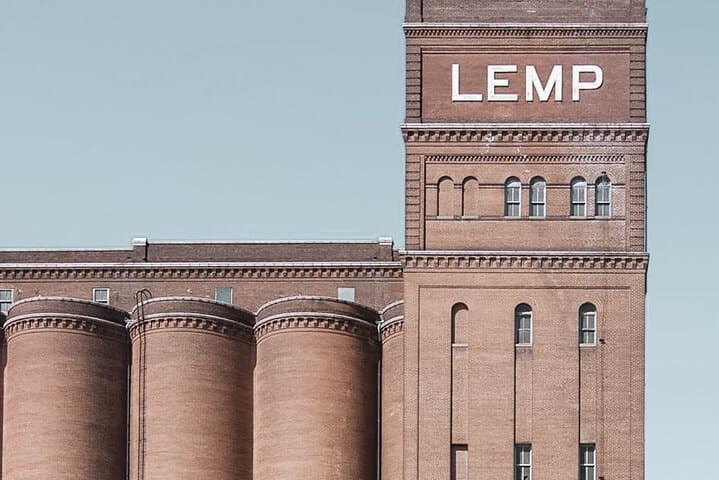
Built by the Lemp family in the 19th century, the complex reflects St. Louis’s German-American brewing boom, later repurposed by the shoe industry and finally left to weather the city’s changing economy. The masonry and vaulted cellars speak to practical industrial geology — local brick, limestone foundations, and engineered vaults that kept beer cool before refrigeration.
Culturally the site ties into neighborhood histories: the Lemp family’s brewery helped shape Benton Park and the nearby commercial corridors that supplied taverns and restaurants across the city. Today the Bottle Works tour focuses on recorded events, oral histories, and the architecture of the basements rather than sensational claims.
Expect a 75-minute guided walkthrough of Buildings 2, 3 and 3A, with stairs, low ceilings, and uneven stone floors. Practical advice: wear closed-toe shoes, bring a small flashlight, and be prepared to stand and walk for the session. Tours are compact groups, and guides point out spots of architectural interest and preserved cellar technology.
This is an urban history and industrial-heritage experience with a darker edge — ideal for those who like architecture, local lore, and the physical feel of old, layered places. Arrive hydrated, leave your large bags behind, and be ready for tight spaces and honest history.
moderate.
1–1.5 hours.
Guests should have a moderate level of fitness: able to climb stairs, stand for long periods, and navigate uneven surfaces.
The guided experience runs approximately 75 minutes and covers Buildings 2, 3 and 3A, primarily in basement and cellar areas.
Strollers can be used on approach, but the tour includes stairs and uneven floors; it is not recommended for those who cannot manage steps or have serious mobility restrictions.
Children may attend, but the content covers tragic historical events and the walking conditions may be challenging for very young kids; use parental discretion.
Photography is generally allowed for personal use, but follow your guide’s instructions, avoid flash when requested, and don’t use tripods or obstruct walkways.
The Lemp Brewery began in the 19th century as part of St. Louis’s German-American brewing industry and was later repurposed by other manufacturers; the complex reflects the city’s industrial evolution.
The site is part of local preservation efforts to maintain industrial heritage — visitors are asked to stay on marked routes and avoid touching fragile masonry to help protect the buildings.
St. Louis Paranormal Research Society operates guided outdoor trips and adventures with an emphasis on safety, stewardship, and memorable experiences.
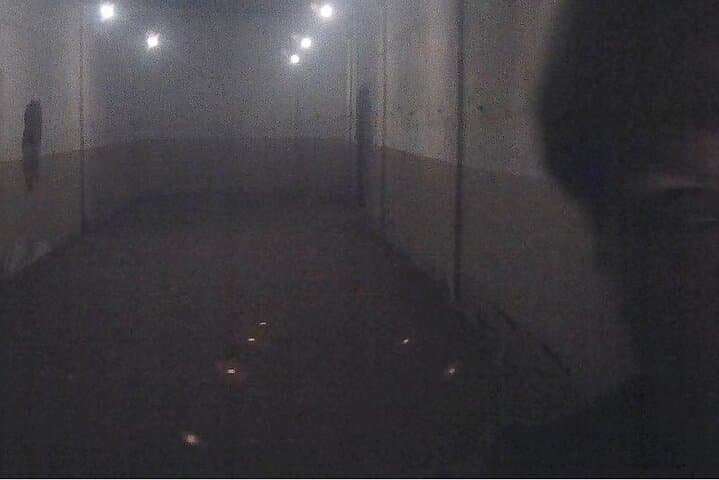
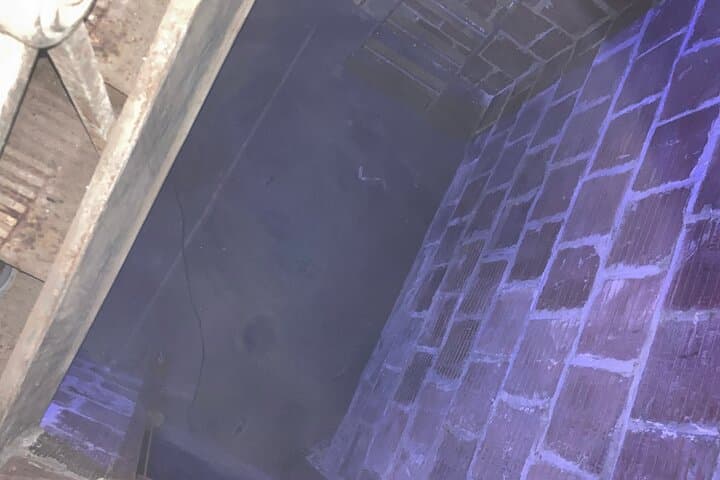
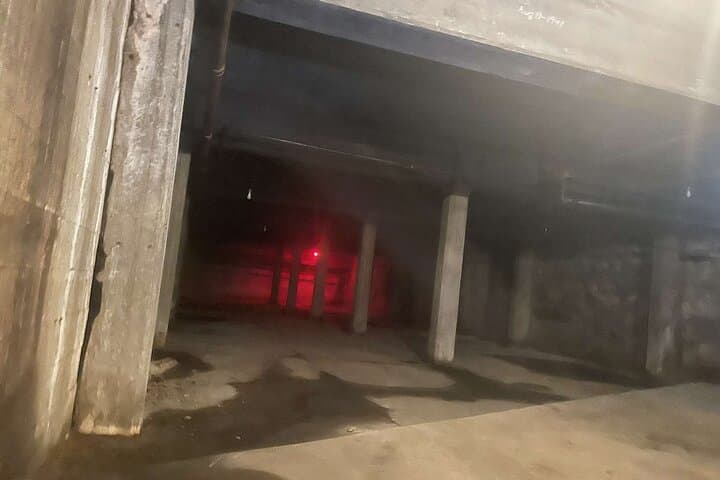
The group slips through a brick archway and the city sounds thin out, replaced by the low hush of cool cellar air that presses against your jacket. Light from the tour guide’s torch skims damp mortar and bowed beams as you descend into the Bottle Works basements — spaces that once stored kegs and later sat largely unused for decades.
The group slips through a brick archway and the city sounds thin out, replaced by the low hush of cool cellar air that presses against your jacket. Light from the tour guide’s torch skims damp mortar and bowed beams as you descend into the Bottle Works basements — spaces that once stored kegs and later sat largely unused for decades.
Built by the Lemp family in the 19th century, the complex reflects St. Louis’s German-American brewing boom, later repurposed by the shoe industry and finally left to weather the city’s changing economy. The masonry and vaulted cellars speak to practical industrial geology — local brick, limestone foundations, and engineered vaults that kept beer cool before refrigeration.
Culturally the site ties into neighborhood histories: the Lemp family’s brewery helped shape Benton Park and the nearby commercial corridors that supplied taverns and restaurants across the city. Today the Bottle Works tour focuses on recorded events, oral histories, and the architecture of the basements rather than sensational claims.
Expect a 75-minute guided walkthrough of Buildings 2, 3 and 3A, with stairs, low ceilings, and uneven stone floors. Practical advice: wear closed-toe shoes, bring a small flashlight, and be prepared to stand and walk for the session. Tours are compact groups, and guides point out spots of architectural interest and preserved cellar technology.
This is an urban history and industrial-heritage experience with a darker edge — ideal for those who like architecture, local lore, and the physical feel of old, layered places. Arrive hydrated, leave your large bags behind, and be ready for tight spaces and honest history.