THE ADVENTURE COLLECTIVE® · Independent discovery and booking for outdoor travel

Experience a slice of the tropics in the heart of Dubai: a climate‑controlled bio‑dome built around a towering artificial Kapok tree, home to sloths, macaws, porcupines and rare plants. This guide explains what to expect and how to plan your visit.
Experience a slice of the tropics in the heart of Dubai: a climate‑controlled bio‑dome built around a towering artificial Kapok tree, home to sloths, macaws, porcupines and rare plants. This guide explains what to expect and how to plan your visit.
Stepping into The Green Planet is like slipping through a curtain of humidity into a pocket of the tropics amid Dubai’s glass and concrete. The biodome’s 25‑meter artificial Kapok‑style tree towers at the center, vines and suspended walkways drawing visitors upward; light filters through the dome like early morning in an actual rainforest, mist settling on leaves and the occasional macaw calling from a high branch.
Verified experiences and guided adventures in the surrounding area.
Operated by Good Sky Tourism · Dubai, Dubai
Stepping into The Green Planet is like slipping through a curtain of humidity into a pocket of the tropics amid Dubai’s glass and concrete. The biodome’s 25‑meter artificial Kapok‑style tree towers at the center, vines and suspended walkways drawing visitors upward; light filters through the dome like early morning in an actual rainforest, mist settling on leaves and the occasional macaw calling from a high branch.
The attraction opened as one of the region’s first full-scale indoor rainforests, developed by Meraas and operated with zoological partners to recreate South American and tropical habitats. The design borrows ecological principles — vertical stratification, a closed canopy feel, and microclimate control — so visitors can observe species from sloths and hyacinth macaws to nocturnal porcupines in environments that mimic their natural niches.
Culturally, the biodome sits at City Walk, an urban leisure district that frames the exhibit with cafes and public art; the facility also functions as an educational center, running feeding talks and conservation-themed programs for families.
For practical planning: allow 30–60 minutes for a focused visit (longer if you join a program), arrive early to avoid midday crowds and heat in the surrounding city, and use the City Walk underground parking (first hours complimentary as noted). The route is mostly flat and wheelchair accessible; guided staff are on hand for questions. Bring a camera (no flash for sensitive species), carry water, and respect barriers — the dome’s controlled ecosystem depends on visitors following rules. The experience is an accessible, compressed rainforest adventure that rewards curious travelers of all ages.
easy.
30–60 minutes.
Suitable for all ages and fitness levels; involves short, flat walking segments and some stairs or ramps on elevated platforms.
Most visitors spend 30–60 minutes exploring the main walkways and exhibits; allow extra time for feeding talks or educational sessions.
Yes — the facility is wheelchair and stroller accessible with elevators and flat walkways; staff can assist on request.
Outside food is allowed in designated areas but feeding animals is strictly prohibited to protect their diets and health.
Standard policy allows full refunds if you cancel at least 24 hours before your scheduled visit; check your booking confirmation for details.
Opened by Meraas in late 2016, The Green Planet was designed to be the region’s first indoor tropical rainforest, combining exhibition and education under one biodome.
The venue emphasizes education and species awareness; visitors are asked to follow rules that minimize stress on animals and reduce the dome’s ecological footprint.
Good Sky Tourism operates guided outdoor trips and adventures with an emphasis on safety, stewardship, and memorable experiences.
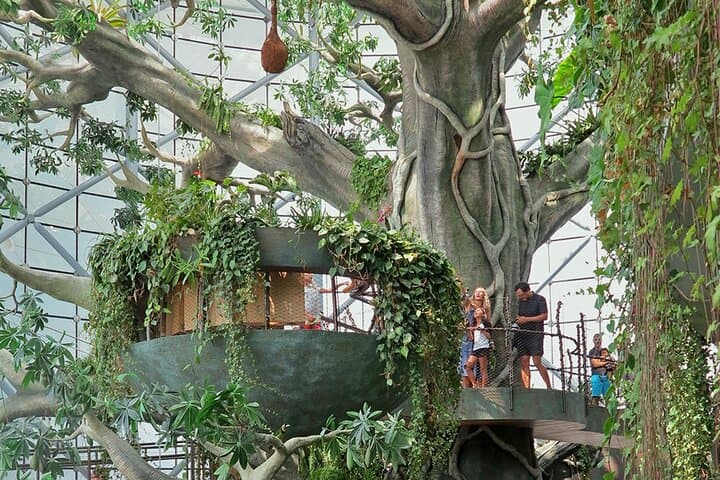
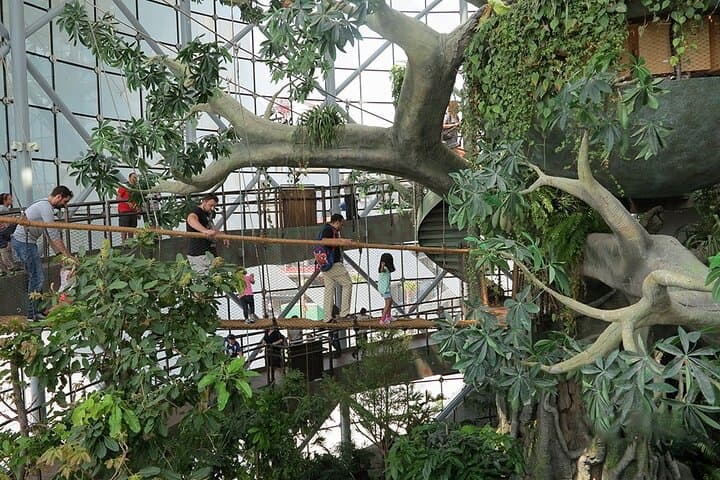
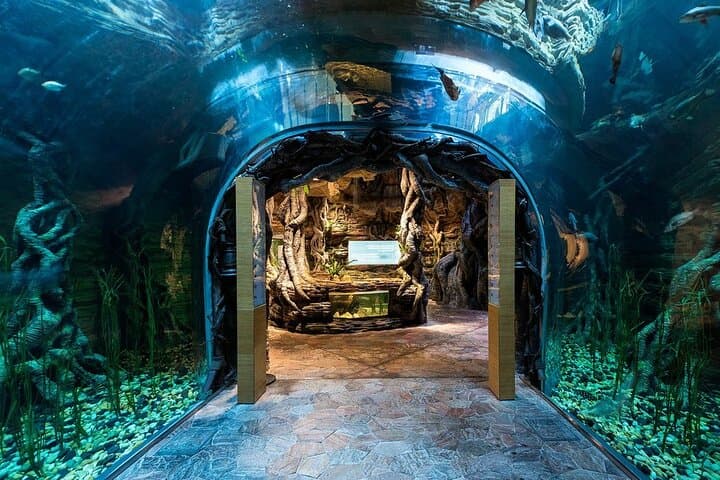
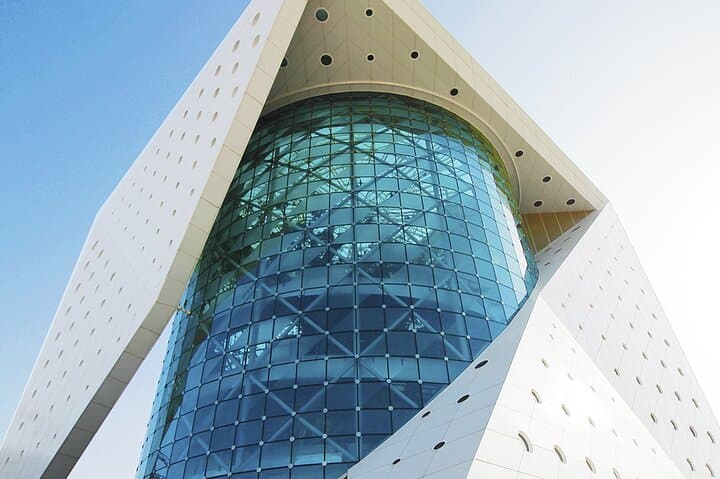
Stepping into The Green Planet is like slipping through a curtain of humidity into a pocket of the tropics amid Dubai’s glass and concrete. The biodome’s 25‑meter artificial Kapok‑style tree towers at the center, vines and suspended walkways drawing visitors upward; light filters through the dome like early morning in an actual rainforest, mist settling on leaves and the occasional macaw calling from a high branch.
Stepping into The Green Planet is like slipping through a curtain of humidity into a pocket of the tropics amid Dubai’s glass and concrete. The biodome’s 25‑meter artificial Kapok‑style tree towers at the center, vines and suspended walkways drawing visitors upward; light filters through the dome like early morning in an actual rainforest, mist settling on leaves and the occasional macaw calling from a high branch.
The attraction opened as one of the region’s first full-scale indoor rainforests, developed by Meraas and operated with zoological partners to recreate South American and tropical habitats. The design borrows ecological principles — vertical stratification, a closed canopy feel, and microclimate control — so visitors can observe species from sloths and hyacinth macaws to nocturnal porcupines in environments that mimic their natural niches.
Culturally, the biodome sits at City Walk, an urban leisure district that frames the exhibit with cafes and public art; the facility also functions as an educational center, running feeding talks and conservation-themed programs for families.
For practical planning: allow 30–60 minutes for a focused visit (longer if you join a program), arrive early to avoid midday crowds and heat in the surrounding city, and use the City Walk underground parking (first hours complimentary as noted). The route is mostly flat and wheelchair accessible; guided staff are on hand for questions. Bring a camera (no flash for sensitive species), carry water, and respect barriers — the dome’s controlled ecosystem depends on visitors following rules. The experience is an accessible, compressed rainforest adventure that rewards curious travelers of all ages.