THE ADVENTURE COLLECTIVE® · Independent discovery and booking for outdoor travel

Attend a live Grand Ole Opry performance, then step behind the curtain on a post-show guided backstage tour. Expect live music spanning new stars to legends and an insider look at dressing rooms, the Artist Entrance, and often Studio A.
Attend a live Grand Ole Opry performance, then step behind the curtain on a post-show guided backstage tour. Expect live music spanning new stars to legends and an insider look at dressing rooms, the Artist Entrance, and often Studio A.
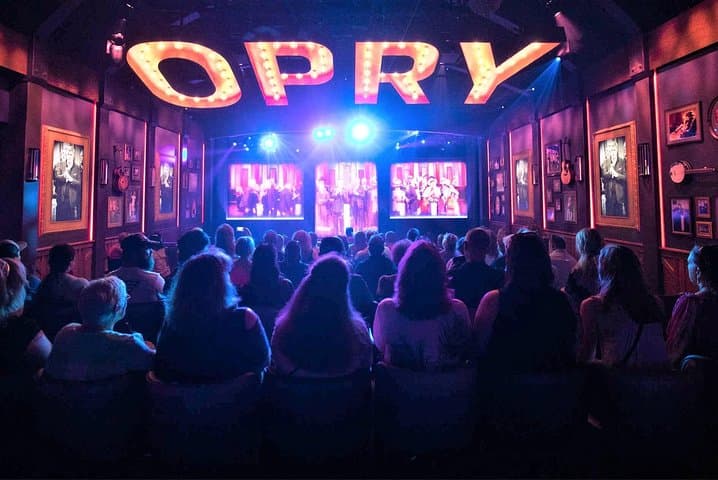
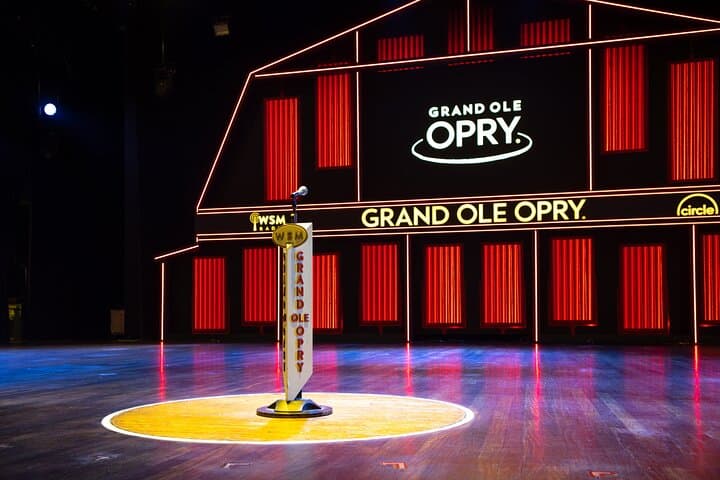
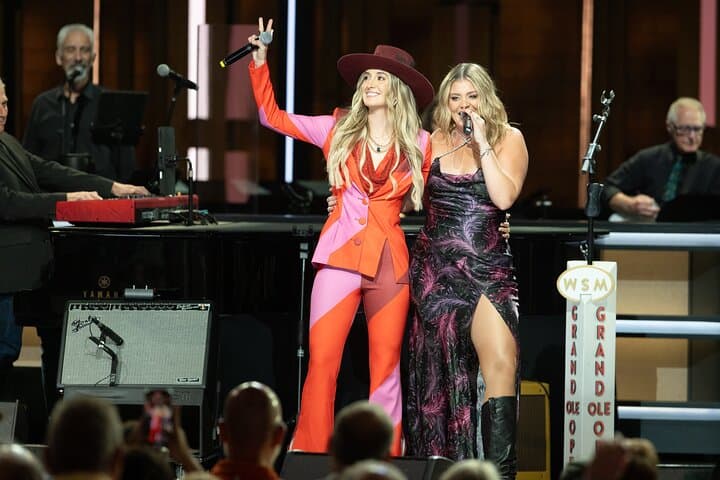
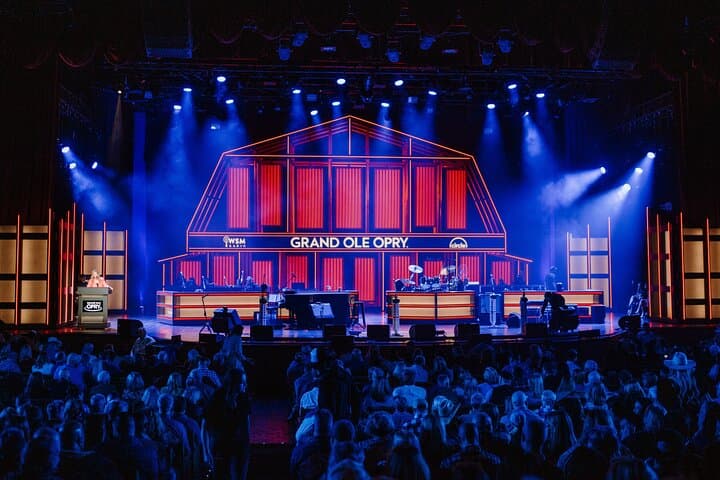
You step into the lobby and the air hums with applause still ringing in the walls — the Grand Ole Opry holds sound like a pocket keeps a coin. Seats creak, lights bloom, and a sequence of acts moves across the famed wooden circle that has launched careers and kept country music alive on the radio for a century.
Verified experiences and guided adventures in the surrounding area.
Operated by Opry Entertainment Group · Nashville, Tennessee
You step into the lobby and the air hums with applause still ringing in the walls — the Grand Ole Opry holds sound like a pocket keeps a coin. Seats creak, lights bloom, and a sequence of acts moves across the famed wooden circle that has launched careers and kept country music alive on the radio for a century.
The Opry began as a radio barn dance in 1925; the program grew into a national institution that shaped country music’s sound and business. The Opry House sits on a low plateau east of downtown Nashville, where the Cumberland Valley opens into gentle urban hills — a setting more civic stage than wild landscape, yet the region’s rural cultural roots remain audible in every fiddle lament and steel-guitar swell.
After the curtain falls, a guided backstage tour pulls the curtain back on daily rituals: themed dressing rooms, the Artist Entrance where performers cross minutes before the lights, and often a stop in Studio A — once home to iconic television shows. Guides share anecdotes and point out plaques, photographs, and the wooden circle where countless artists have paused for the same photograph you might take.
Practicalities matter: arrive early to exchange your voucher at the box office, carry photo ID, and expect a 3–4 hour evening that runs into late night. Photography and stage access are subject to availability. Whether you go for the music or the history, the experience is equal parts live performance and cultural archive — a close, human-scale look at the machinery behind a storied American stage.
easy.
3–4 hours.
Suitable for all physical fitness levels; involves walking on flat indoor surfaces and some standing during the tour.
Plan for about 3–4 hours total: a roughly two-hour show followed by a 30–60 minute post-show backstage tour, though times vary by performance.
Redeem your mobile or paper voucher at the Grand Ole Opry Box Office at the venue entrance; bring a valid photo ID.
Stage and circle access are often offered but are subject to availability and staff permission on the night of the show.
Yes — the venue and backstage tour accommodate wheelchair users; note accessibility when booking so staff can assist.
The Grand Ole Opry began as the WSM Barn Dance radio show in 1925 and evolved into the preeminent weekly country music stage, showcasing artists who shaped the genre.
The venue encourages public transit and has venue-level recycling efforts; visitors can minimize impact by using reusable bottles and respecting backstage spaces.
Opry Entertainment Group operates guided outdoor trips and adventures with an emphasis on safety, stewardship, and memorable experiences.
You step into the lobby and the air hums with applause still ringing in the walls — the Grand Ole Opry holds sound like a pocket keeps a coin. Seats creak, lights bloom, and a sequence of acts moves across the famed wooden circle that has launched careers and kept country music alive on the radio for a century.
You step into the lobby and the air hums with applause still ringing in the walls — the Grand Ole Opry holds sound like a pocket keeps a coin. Seats creak, lights bloom, and a sequence of acts moves across the famed wooden circle that has launched careers and kept country music alive on the radio for a century.
The Opry began as a radio barn dance in 1925; the program grew into a national institution that shaped country music’s sound and business. The Opry House sits on a low plateau east of downtown Nashville, where the Cumberland Valley opens into gentle urban hills — a setting more civic stage than wild landscape, yet the region’s rural cultural roots remain audible in every fiddle lament and steel-guitar swell.
After the curtain falls, a guided backstage tour pulls the curtain back on daily rituals: themed dressing rooms, the Artist Entrance where performers cross minutes before the lights, and often a stop in Studio A — once home to iconic television shows. Guides share anecdotes and point out plaques, photographs, and the wooden circle where countless artists have paused for the same photograph you might take.
Practicalities matter: arrive early to exchange your voucher at the box office, carry photo ID, and expect a 3–4 hour evening that runs into late night. Photography and stage access are subject to availability. Whether you go for the music or the history, the experience is equal parts live performance and cultural archive — a close, human-scale look at the machinery behind a storied American stage.