THE ADVENTURE COLLECTIVE® · Independent discovery and booking for outdoor travel

Go behind the red carpet for a 30-minute walk through the theatre that hosts the Academy Awards. Learn about the building’s design, see an Oscar statuette up close, and get practical tips for timing, accessibility, and photography.
Go behind the red carpet for a 30-minute walk through the theatre that hosts the Academy Awards. Learn about the building’s design, see an Oscar statuette up close, and get practical tips for timing, accessibility, and photography.
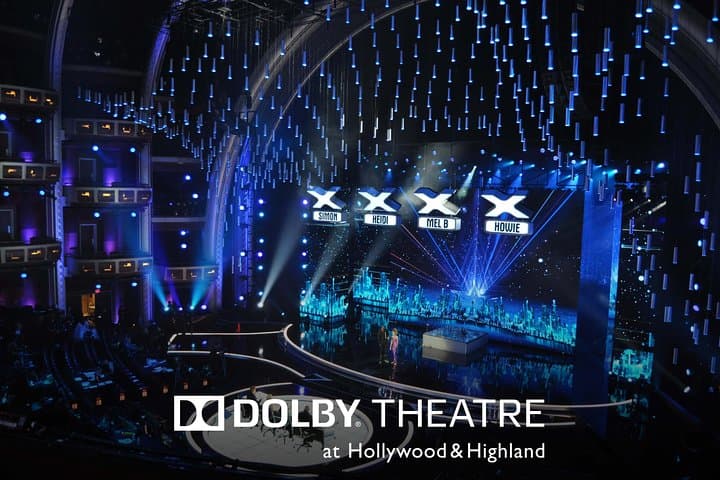
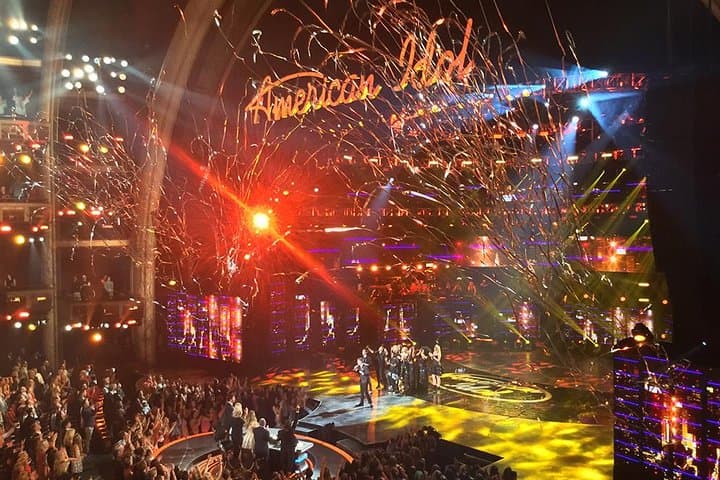
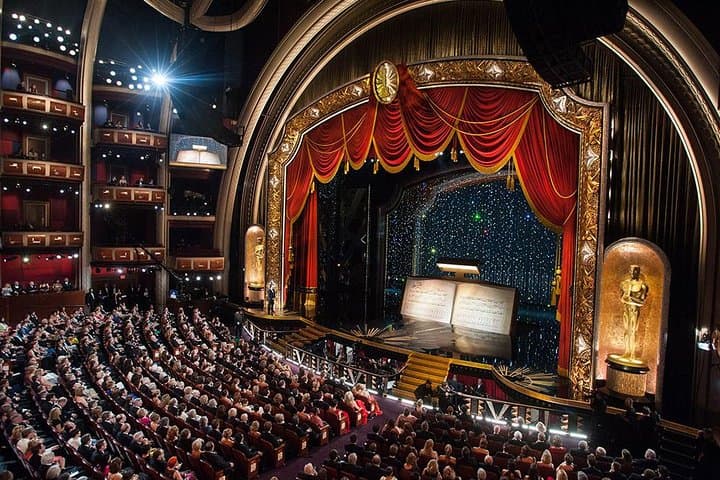
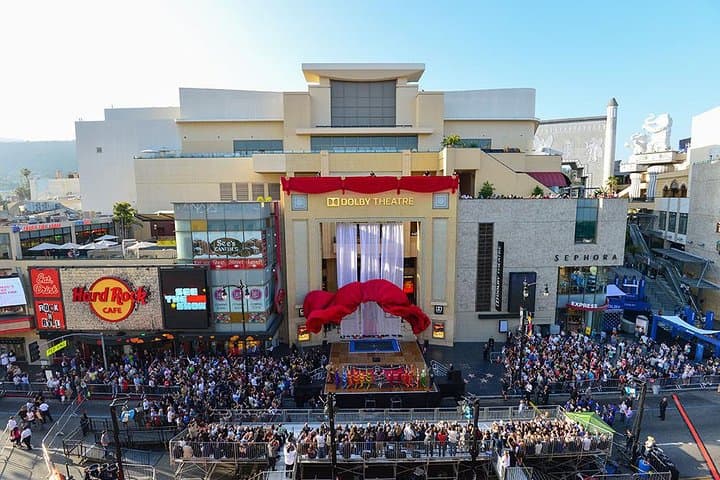
You step through the glass doors at Hollywood & Highland and the city sound falls away—marble underfoot, a sweep of balconies above, and the stage where the Oscars have made orators out of nervous actors. The tour moves with a steady pace: the auditorium hush, the wings where crew and cameras bustle when a show is on, and a close-up of a real Oscar statuette under careful lighting.
Verified experiences and guided adventures in the surrounding area.
Operated by Indigo Planning LLC · Los Angeles, California
You step through the glass doors at Hollywood & Highland and the city sound falls away—marble underfoot, a sweep of balconies above, and the stage where the Oscars have made orators out of nervous actors. The tour moves with a steady pace: the auditorium hush, the wings where crew and cameras bustle when a show is on, and a close-up of a real Oscar statuette under careful lighting.
Built for the Academy in 2001 as the Kodak Theatre and later renamed when Dolby secured naming rights, the venue marries modern technical systems with an auditorium inspired by European opera houses. Located on Hollywood Boulevard at the edge of the Hollywood Hills and the Los Angeles Basin, the complex sits within a busy entertainment corridor that’s been central to film premieres and live TV events for decades.
On the walk you’ll hear about past premieres, broadcast technical rigs, and the theatre’s role in LA’s entertainment economy. Expect architecture details—ornate staircases, stage rigging, and the Dolby Lounge—that tell as much about production design as they do about celebrity culture.
Practical points: tours are 30 minutes, require ticket pickup at the box office at least 10 minutes before the start, and may be modified or canceled for performances. The route includes several flights of stairs but is wheelchair accessible with advance notice. No food, drink, or gum; photography is allowed in most public spaces but restricted during events. Arrive by Metro or ride-share to avoid Hollywood Boulevard parking congestion, carry a valid ticket or mobile pass, and leave bulky bags at your hotel—security screening is standard.
easy.
30 minutes.
Suitable for all fitness levels; involves walking and stairs.
Yes—Dolby Theatre is wheelchair accessible; notify the theatre at booking to arrange accommodations.
Photography is generally allowed in public areas of the tour but may be restricted during performances or in certain backstage zones.
Children under 12 are welcome but must be accompanied by a parent or guardian for the duration of the tour.
All sales are final; tours may be canceled by the theatre for operations or bad weather, but general bookings are non-refundable.
Opened in 2001 as the Kodak Theatre for the Academy Awards and later renamed Dolby Theatre, it was designed to host major ceremonies and live televised events.
The theatre operates within a busy commercial complex—visitors are asked to follow no-food rules and respect facility guidelines to reduce waste and preserve interior finishes.
Indigo Planning LLC operates guided outdoor trips and adventures with an emphasis on safety, stewardship, and memorable experiences.
You step through the glass doors at Hollywood & Highland and the city sound falls away—marble underfoot, a sweep of balconies above, and the stage where the Oscars have made orators out of nervous actors. The tour moves with a steady pace: the auditorium hush, the wings where crew and cameras bustle when a show is on, and a close-up of a real Oscar statuette under careful lighting.
You step through the glass doors at Hollywood & Highland and the city sound falls away—marble underfoot, a sweep of balconies above, and the stage where the Oscars have made orators out of nervous actors. The tour moves with a steady pace: the auditorium hush, the wings where crew and cameras bustle when a show is on, and a close-up of a real Oscar statuette under careful lighting.
Built for the Academy in 2001 as the Kodak Theatre and later renamed when Dolby secured naming rights, the venue marries modern technical systems with an auditorium inspired by European opera houses. Located on Hollywood Boulevard at the edge of the Hollywood Hills and the Los Angeles Basin, the complex sits within a busy entertainment corridor that’s been central to film premieres and live TV events for decades.
On the walk you’ll hear about past premieres, broadcast technical rigs, and the theatre’s role in LA’s entertainment economy. Expect architecture details—ornate staircases, stage rigging, and the Dolby Lounge—that tell as much about production design as they do about celebrity culture.
Practical points: tours are 30 minutes, require ticket pickup at the box office at least 10 minutes before the start, and may be modified or canceled for performances. The route includes several flights of stairs but is wheelchair accessible with advance notice. No food, drink, or gum; photography is allowed in most public spaces but restricted during events. Arrive by Metro or ride-share to avoid Hollywood Boulevard parking congestion, carry a valid ticket or mobile pass, and leave bulky bags at your hotel—security screening is standard.