THE ADVENTURE COLLECTIVE® · Independent discovery and booking for outdoor travel

Stand at an observation post, descend into a revealed infiltration tunnel and cross a tower-less suspension bridge on a full‑day DMZ tour from Seoul. This route blends geopolitical history with raw landscapes and strict-but-revealing access to one of the world’s most watched borders.
Stand at an observation post, descend into a revealed infiltration tunnel and cross a tower-less suspension bridge on a full‑day DMZ tour from Seoul. This route blends geopolitical history with raw landscapes and strict-but-revealing access to one of the world’s most watched borders.
A cold wind pushes across the ridge as you step from the tour van, the border ahead framed by rusted observation posts and green slopes that refuse to be tamed. At the Dora Observatory binoculars sweep over a silent town in North Korea; the mountain air tastes of pine and metal, and the Gamaksan suspension bridge hums underfoot as hikers trade stories of the past.
Verified experiences and guided adventures in the surrounding area.
Operated by BSJGOGOS · Paju, Gyeonggi-do
A cold wind pushes across the ridge as you step from the tour van, the border ahead framed by rusted observation posts and green slopes that refuse to be tamed. At the Dora Observatory binoculars sweep over a silent town in North Korea; the mountain air tastes of pine and metal, and the Gamaksan suspension bridge hums underfoot as hikers trade stories of the past.
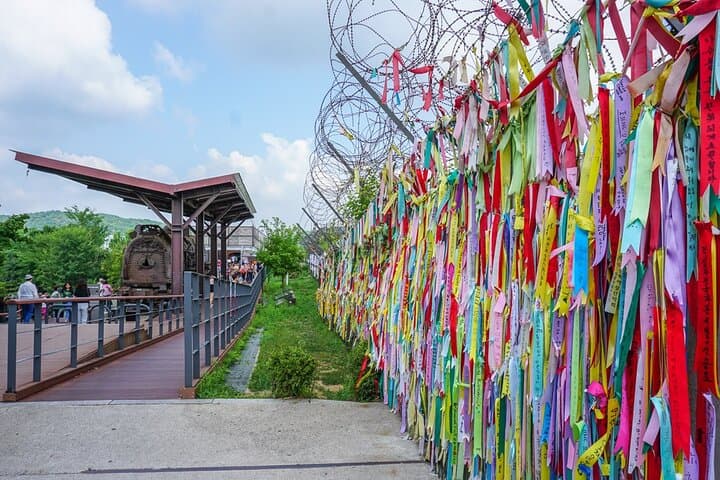
The Demilitarized Zone was created by the 1953 armistice and runs roughly 250 kilometers as a buffer between the two Koreas. Its geology is mostly low mountains and river valleys carved by the Imjin River; strategic ridgelines gave rise to observation posts and, later, surprise infiltration tunnels bored through softer bedrock. Culturally the DMZ is both a security line and a living reminder of families divided — sites like Dorasan Station and Imjingak Park foreground that human story.
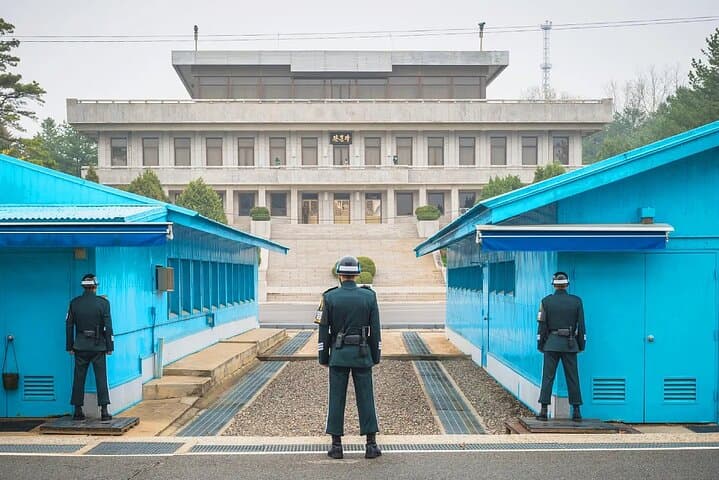
On this full‑day tour expect a mix of short walks, stair descents into the Third Infiltration Tunnel, and guarded viewing from observatories. Guides explain military protocol and point out flora and birds that have reclaimed restricted zones; the landscape itself seems to hold its breath, watching both sides.
Practical guidance: bring your passport and be prepared for security checks; wear sturdy shoes for tunnel stairways and the Gamaksan trail approach; layers are essential — wind at high viewpoints can be unexpectedly sharp. Respect signage and instructions from military personnel: photography and movement are regulated. Water, a charged phone, and patience for timed entry windows will make the day run smoothly.
easy.
9 hours.
Suitable for travelers in average physical condition; short hikes and stairs required, but no technical fitness.
Yes. All visitors must present passport or national ID at checkpoints; carry the same document used to book the tour.
Not necessarily. JSA access requires a separate booking and stricter security clearance; this tour visits the Third Tunnel, Dora Observatory and Gamaksan area instead.
Photography is permitted at many sites but restricted in specific directions and inside military zones—follow guides and posted signs to avoid confiscation or denial of access.
The tunnel visit involves descending steep, narrow stairs and walking in a low-ceiling passage; those with spinal or heart conditions should avoid it.
The DMZ was established after the 1953 armistice as a 4-kilometer-wide buffer; discovery of multiple infiltration tunnels in subsequent decades underscores its strategic importance.
Restricted human access has created de facto wildlife refuges; visitors should stick to paths and follow rules to minimize disturbance to sensitive habitats.
BSJGOGOS operates guided outdoor trips and adventures with an emphasis on safety, stewardship, and memorable experiences.
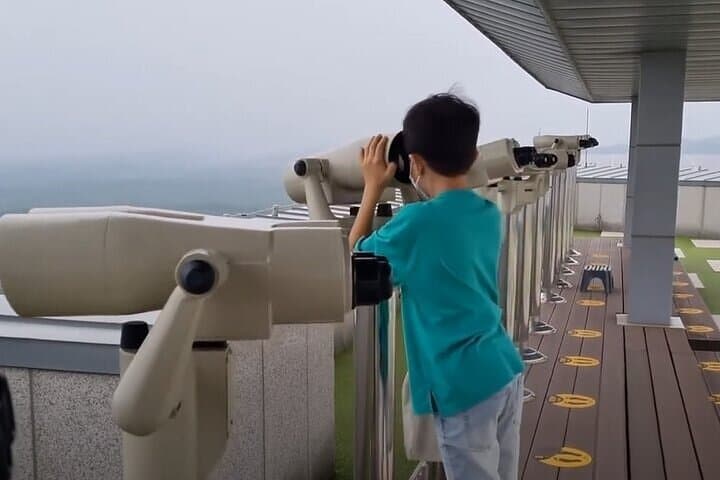
A cold wind pushes across the ridge as you step from the tour van, the border ahead framed by rusted observation posts and green slopes that refuse to be tamed. At the Dora Observatory binoculars sweep over a silent town in North Korea; the mountain air tastes of pine and metal, and the Gamaksan suspension bridge hums underfoot as hikers trade stories of the past.
A cold wind pushes across the ridge as you step from the tour van, the border ahead framed by rusted observation posts and green slopes that refuse to be tamed. At the Dora Observatory binoculars sweep over a silent town in North Korea; the mountain air tastes of pine and metal, and the Gamaksan suspension bridge hums underfoot as hikers trade stories of the past.
The Demilitarized Zone was created by the 1953 armistice and runs roughly 250 kilometers as a buffer between the two Koreas. Its geology is mostly low mountains and river valleys carved by the Imjin River; strategic ridgelines gave rise to observation posts and, later, surprise infiltration tunnels bored through softer bedrock. Culturally the DMZ is both a security line and a living reminder of families divided — sites like Dorasan Station and Imjingak Park foreground that human story.
On this full‑day tour expect a mix of short walks, stair descents into the Third Infiltration Tunnel, and guarded viewing from observatories. Guides explain military protocol and point out flora and birds that have reclaimed restricted zones; the landscape itself seems to hold its breath, watching both sides.
Practical guidance: bring your passport and be prepared for security checks; wear sturdy shoes for tunnel stairways and the Gamaksan trail approach; layers are essential — wind at high viewpoints can be unexpectedly sharp. Respect signage and instructions from military personnel: photography and movement are regulated. Water, a charged phone, and patience for timed entry windows will make the day run smoothly.