THE ADVENTURE COLLECTIVE® · Independent discovery and booking for outdoor travel

Walk the line where two Koreas meet with a guide who lived it. This private DMZ tour from Paju combines frontline stories, close-up observation points and hands-on history for an unforgettable day trip from Seoul.
Walk the line where two Koreas meet with a guide who lived it. This private DMZ tour from Paju combines frontline stories, close-up observation points and hands-on history for an unforgettable day trip from Seoul.
Dawn breaks over the Han River and the low hills of Paju; the air carries a cool, metallic edge as you step from a private vehicle into Imjingak Peace Nuri Park. Wind sculptures creak like distant sentries while the Freedom Bridge sits silent, a heavy reminder that the peninsula’s fault line is lived and worked, not abstract.
Verified experiences and guided adventures in the surrounding area.
Operated by ESC TRAVEL · Paju, Gyeonggi-do
Dawn breaks over the Han River and the low hills of Paju; the air carries a cool, metallic edge as you step from a private vehicle into Imjingak Peace Nuri Park. Wind sculptures creak like distant sentries while the Freedom Bridge sits silent, a heavy reminder that the peninsula’s fault line is lived and worked, not abstract.
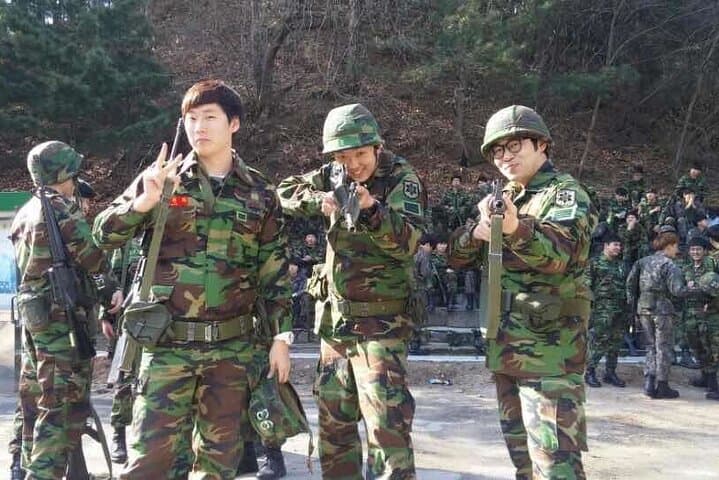
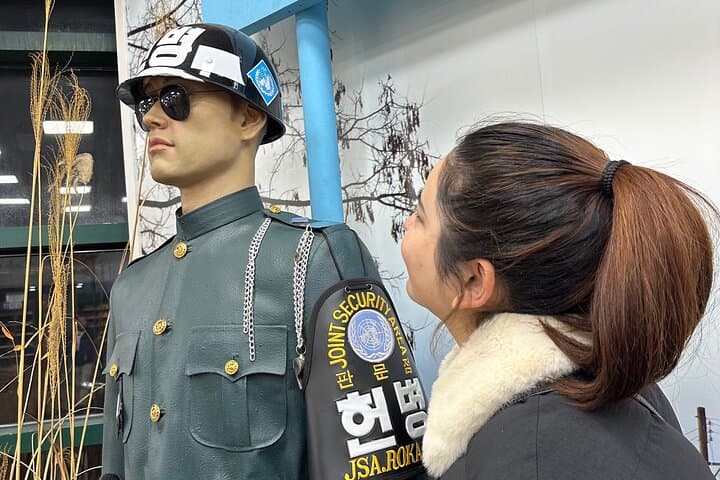
This full-day private tour is guided by Jayce, a former South Korean soldier who spent 19 months on a frontline outpost inside the Eastern DMZ. His firsthand recollections — hushed night watches, sudden alerts and the long, watchful boredom between them — color stops at Imjingak, the Dora Observatory and the Third Infiltration Tunnel. These sites map a modern geopolitical landscape shaped by 20th-century conflict: wartime bridges, excavated invasion tunnels, and observatories with binoculars trained on across-border villages.
Geology here is quiet: low river terraces and reclaimed floodplain meet the manmade scars of trenches and tunnels. Local culture reflects vigilance and hope — small border villages sell ginseng and soybean snacks, and Unification Village shows everyday life inches from restricted land.
Practical side: expect 6–7 hours on foot with security checkpoints, ID checks and limited photography in some zones. Dress in layers for wind on exposed observatories, bring your passport, and prepare for helmeted tunnel walks. The day is heavy with history, but also precise and procedural — move with respect, ask questions, and let a veteran’s memories turn facts into lived experience.
moderate.
6–7 hours.
Moderate fitness for several short walks, stairs and a low-ceiling tunnel section; comfortable on feet for most of the day.
Yes — a valid passport is required for checkpoint entry into DMZ observation sites and must be carried on the tour.
Photography is allowed from public observatories in most areas, but restrictions apply at some sites; follow your guide and posted rules.
This tour is not recommended for pregnant travelers and young children should be managed closely; specific restrictions depend on site policies and safety considerations.
The tour runs in most weather conditions; heavy rain or security changes can alter the itinerary. Inform the operator of mobility concerns when booking to arrange accommodations where possible.
The DMZ was established in 1953 as part of the armistice that paused the Korean War; many sites here—bridges, tunnels and observatories—are direct products of Cold War-era conflict and post-war division.
Much of the Civilian Control Zone is restricted and has become an accidental wildlife refuge; visitors should stay on paths, avoid disturbing habitats and follow all zone regulations to protect both security and nature.
ESC TRAVEL operates guided outdoor trips and adventures with an emphasis on safety, stewardship, and memorable experiences.

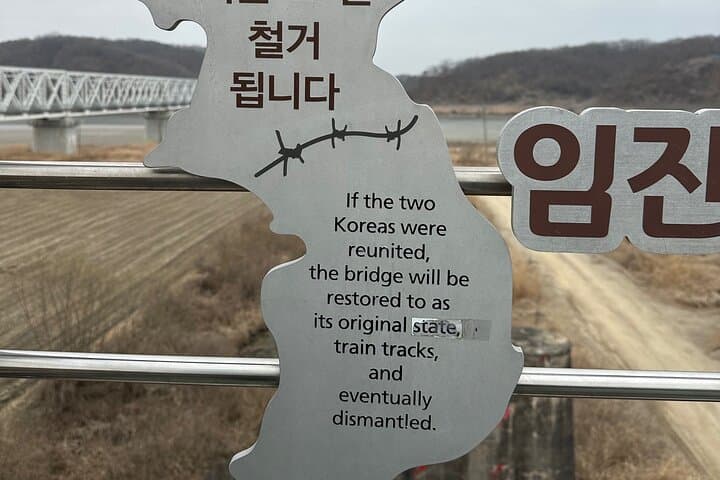
Dawn breaks over the Han River and the low hills of Paju; the air carries a cool, metallic edge as you step from a private vehicle into Imjingak Peace Nuri Park. Wind sculptures creak like distant sentries while the Freedom Bridge sits silent, a heavy reminder that the peninsula’s fault line is lived and worked, not abstract.
Dawn breaks over the Han River and the low hills of Paju; the air carries a cool, metallic edge as you step from a private vehicle into Imjingak Peace Nuri Park. Wind sculptures creak like distant sentries while the Freedom Bridge sits silent, a heavy reminder that the peninsula’s fault line is lived and worked, not abstract.
This full-day private tour is guided by Jayce, a former South Korean soldier who spent 19 months on a frontline outpost inside the Eastern DMZ. His firsthand recollections — hushed night watches, sudden alerts and the long, watchful boredom between them — color stops at Imjingak, the Dora Observatory and the Third Infiltration Tunnel. These sites map a modern geopolitical landscape shaped by 20th-century conflict: wartime bridges, excavated invasion tunnels, and observatories with binoculars trained on across-border villages.
Geology here is quiet: low river terraces and reclaimed floodplain meet the manmade scars of trenches and tunnels. Local culture reflects vigilance and hope — small border villages sell ginseng and soybean snacks, and Unification Village shows everyday life inches from restricted land.
Practical side: expect 6–7 hours on foot with security checkpoints, ID checks and limited photography in some zones. Dress in layers for wind on exposed observatories, bring your passport, and prepare for helmeted tunnel walks. The day is heavy with history, but also precise and procedural — move with respect, ask questions, and let a veteran’s memories turn facts into lived experience.