THE ADVENTURE COLLECTIVE® · Independent discovery and booking for outdoor travel

Walk the tense borderlands where the Korean War became a frozen line. This private DMZ tour combines frontline viewing points with an intimate conversation with a North Korean defector for context you won’t get from plaques alone.
Walk the tense borderlands where the Korean War became a frozen line. This private DMZ tour combines frontline viewing points with an intimate conversation with a North Korean defector for context you won’t get from plaques alone.
You step out of the minivan into a low ribbon of land where barbed wire and concrete markers keep two countries a few hundred meters apart. The wind moves across the Imjin River with a blunt, indifferent patience; trees on the South side stand watch while distant roofs in the North hold their silence.
Verified experiences and guided adventures in the surrounding area.
Operated by beyond DMZ tours · Paju, Gyeonggi-do
You step out of the minivan into a low ribbon of land where barbed wire and concrete markers keep two countries a few hundred meters apart. The wind moves across the Imjin River with a blunt, indifferent patience; trees on the South side stand watch while distant roofs in the North hold their silence.
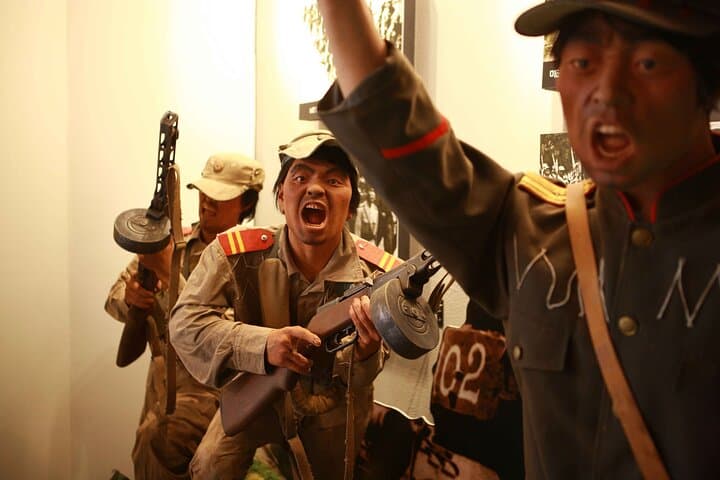
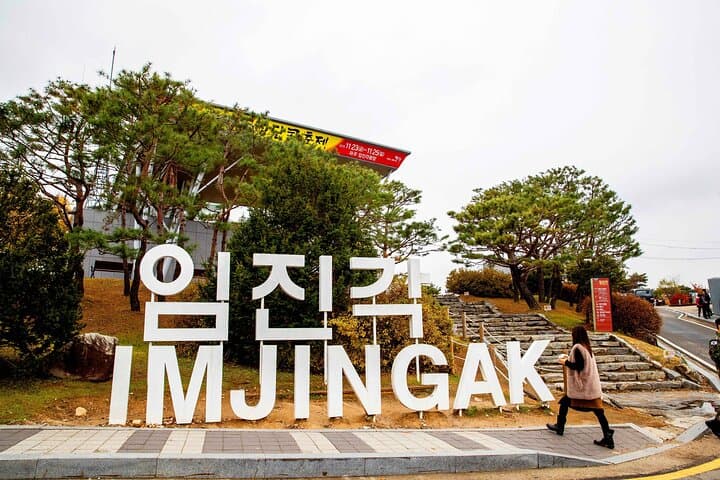
The route follows the modern scars of a 1953 armistice—Imjingak’s Freedom Bridge, a steam locomotive from the Korean War, then the Third Infiltration Tunnel carved by the North in 1978. Geologically, the area is low rolling hills and river terraces that gave armies cover and engineers soft ground to tunnel; militarily it became one of the world’s most fortified buffers. Culture here is taut with memory: the park’s plaques, the observatory’s binoculars and the War Memorial’s exhibitions shape how South Koreans remember division.
In the afternoon the tour shifts tone—face-to-face testimony with a North Korean defector at the War Memorial brings lived experience into sharp relief. Their stories explain daily life under the regime, escape routes and the emotional shock of seeing South Korea’s narratives of the same war.
Practical edge: this is a regulated, security-heavy visit—carry your passport, wear sturdy shoes, and expect ID checks and restricted photography at points. The Third Tunnel can be damp and low-ceilinged; skip it if you have respiratory or mobility issues. Bring water and layers; weather and military area rules change quickly. Listen to your certified guide, follow directions from soldiers, and treat personal stories with respect—this is history lived, not just a photo op.
easy.
8–9 hours.
Suitable for most fitness levels; requires short walks, stairs and occasional standing for binocular views.
Yes—military checkpoints require valid government ID or passport; bring the same ID listed at booking.
Yes—tours are conducted in controlled areas with military oversight; follow your guide and posted restrictions.
No—observatories allow viewing across the border with binoculars, but you cannot cross or enter North Korean territory.
Children are allowed but infants must sit on laps at times; the tunnel and bus segments may be uncomfortable for very young children.
The Korean Demilitarized Zone was established by the 1953 armistice as a buffer between North and South Korea and quickly became a symbol of geopolitical division.
The restricted DMZ has become an unplanned wildlife refuge; visitors should stick to paths and rules to avoid disturbing habitats and preserve this fragile zone.
beyond DMZ tours operates guided outdoor trips and adventures with an emphasis on safety, stewardship, and memorable experiences.
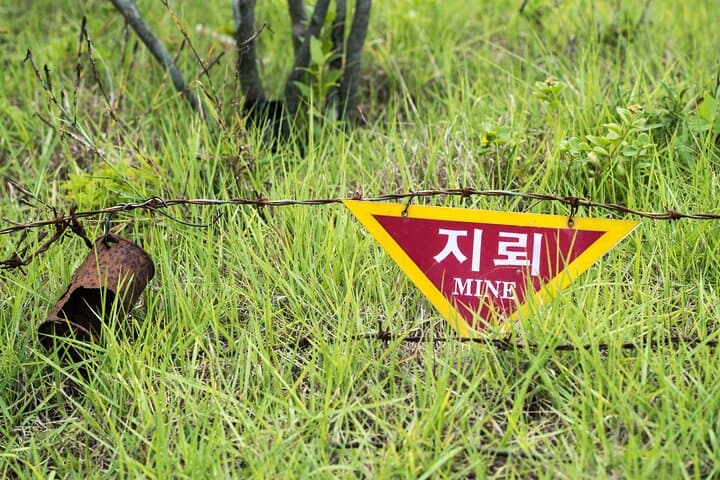
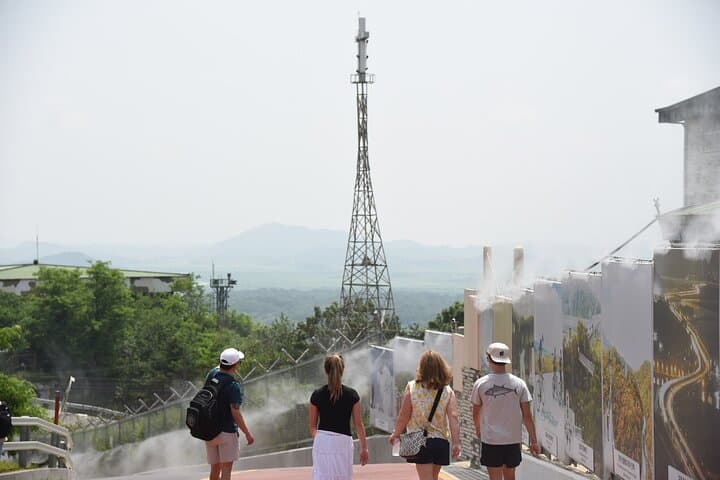
You step out of the minivan into a low ribbon of land where barbed wire and concrete markers keep two countries a few hundred meters apart. The wind moves across the Imjin River with a blunt, indifferent patience; trees on the South side stand watch while distant roofs in the North hold their silence.
You step out of the minivan into a low ribbon of land where barbed wire and concrete markers keep two countries a few hundred meters apart. The wind moves across the Imjin River with a blunt, indifferent patience; trees on the South side stand watch while distant roofs in the North hold their silence.
The route follows the modern scars of a 1953 armistice—Imjingak’s Freedom Bridge, a steam locomotive from the Korean War, then the Third Infiltration Tunnel carved by the North in 1978. Geologically, the area is low rolling hills and river terraces that gave armies cover and engineers soft ground to tunnel; militarily it became one of the world’s most fortified buffers. Culture here is taut with memory: the park’s plaques, the observatory’s binoculars and the War Memorial’s exhibitions shape how South Koreans remember division.
In the afternoon the tour shifts tone—face-to-face testimony with a North Korean defector at the War Memorial brings lived experience into sharp relief. Their stories explain daily life under the regime, escape routes and the emotional shock of seeing South Korea’s narratives of the same war.
Practical edge: this is a regulated, security-heavy visit—carry your passport, wear sturdy shoes, and expect ID checks and restricted photography at points. The Third Tunnel can be damp and low-ceilinged; skip it if you have respiratory or mobility issues. Bring water and layers; weather and military area rules change quickly. Listen to your certified guide, follow directions from soldiers, and treat personal stories with respect—this is history lived, not just a photo op.