THE ADVENTURE COLLECTIVE® · Independent discovery and booking for outdoor travel

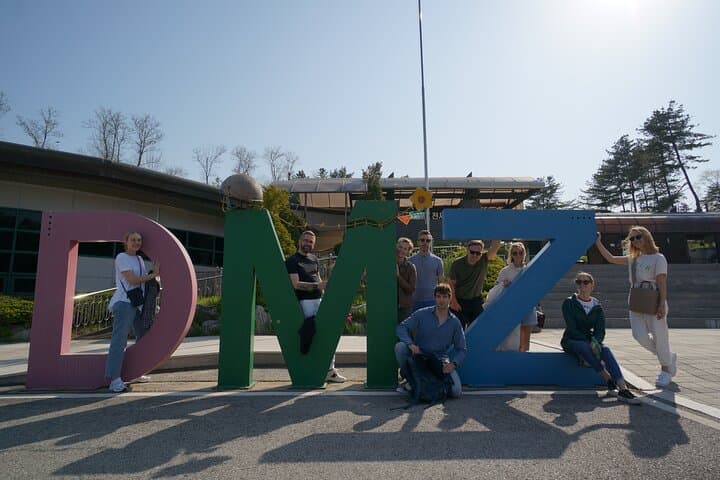
Explore the tense landscapes and layered history of the Korean Peninsula on a private full-day DMZ tour that includes the Third Tunnel, Dora Observatory, Dorasan Station and the War Memorial of Korea. Expect security checks, a knowledgeable guide, and 8–9 hours of travel and interpretation.
Explore the tense landscapes and layered history of the Korean Peninsula on a private full-day DMZ tour that includes the Third Tunnel, Dora Observatory, Dorasan Station and the War Memorial of Korea. Expect security checks, a knowledgeable guide, and 8–9 hours of travel and interpretation.
The bus eases away from Seoul’s glass and concrete, and within an hour the roads give up their city cadence for scrubby ridgelines and the low hum of border security. At the Dora Observatory, binoculars become maps: you can see North Korea’s tiled roofs and a river that seems to hesitate at the border, daring you to imagine what lies beyond.
Verified experiences and guided adventures in the surrounding area.
Operated by Outdoors Korea · Paju, Gyeonggi-do
The bus eases away from Seoul’s glass and concrete, and within an hour the roads give up their city cadence for scrubby ridgelines and the low hum of border security. At the Dora Observatory, binoculars become maps: you can see North Korea’s tiled roofs and a river that seems to hesitate at the border, daring you to imagine what lies beyond.
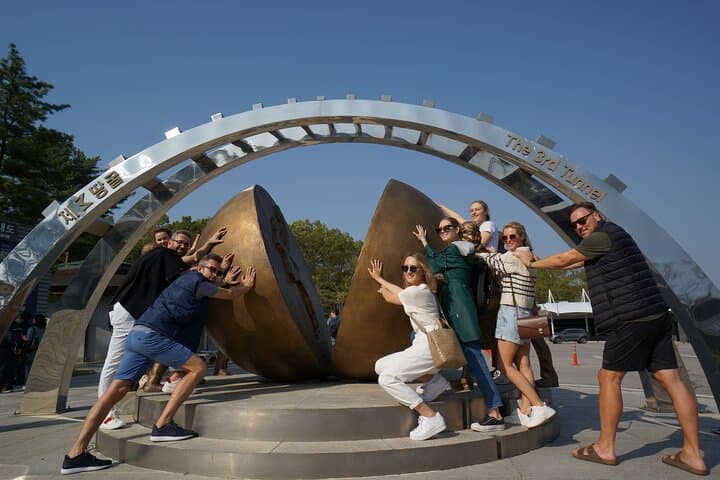
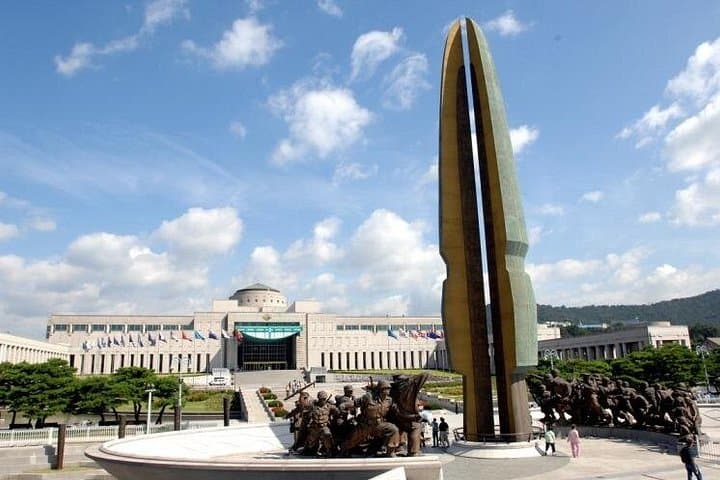
This full-day private tour threads contemporary history through landscape. Established by the 1953 armistice, the Korean Demilitarized Zone is part military perimeter and part accidental wildlife refuge. Visitors descend into the Third Tunnel—an engineered intrusion from the 1970s—then stand at Dorasan Station, a symbolic platform for a future connection. The War Memorial in Seoul follows: an expansive museum of artifacts, vehicles, and exhibits that outline Korean War operations and post-war reconstruction.
Local guides contextualize what you see—politics, society, and how the DMZ’s engineered landscape has shaped ecology and memory. Footwear and patience matter more than fitness; some walks are short and paved, others over uneven ground.
Practical guidance: carry your passport for mandatory ID checks, plan for 8–9 hours including hotel pickup and return, and expect security screenings. Bring binoculars or a zoom lens for distant observation and layered clothing—the plains can turn windy. Photography rules vary at checkpoints; follow your guide. This tour is a concentrated, reflective day that balances historical interpretation with the quiet, surprising presence of the land itself.
easy.
8–9 hours.
Suitable for most fitness levels; involves short walks, stairs, and standing during exhibits.
Yes — a passport is mandatory for security checks and must be carried for the duration of the excursion.
The tour runs about 8–9 hours, including hotel pickup, transportation, a knowledgeable English-speaking driving guide, lunch, and admissions to DMZ sites and the War Memorial.
The tour is suitable for most ages and fitness levels; participants should be able to climb stairs and walk short distances.
Photography is allowed in many areas but restricted at some checkpoints—always follow your guide and posted signs.
The DMZ was established by the 1953 armistice line; Dorasan Station and the Third Tunnel are physical reminders of the peninsula’s division and efforts toward reconciliation.
Restricted human access has created important habitats—stay on paths, avoid disturbing wildlife, and don’t remove artifacts or natural materials.
Outdoors Korea operates guided outdoor trips and adventures with an emphasis on safety, stewardship, and memorable experiences.

The bus eases away from Seoul’s glass and concrete, and within an hour the roads give up their city cadence for scrubby ridgelines and the low hum of border security. At the Dora Observatory, binoculars become maps: you can see North Korea’s tiled roofs and a river that seems to hesitate at the border, daring you to imagine what lies beyond.
The bus eases away from Seoul’s glass and concrete, and within an hour the roads give up their city cadence for scrubby ridgelines and the low hum of border security. At the Dora Observatory, binoculars become maps: you can see North Korea’s tiled roofs and a river that seems to hesitate at the border, daring you to imagine what lies beyond.
This full-day private tour threads contemporary history through landscape. Established by the 1953 armistice, the Korean Demilitarized Zone is part military perimeter and part accidental wildlife refuge. Visitors descend into the Third Tunnel—an engineered intrusion from the 1970s—then stand at Dorasan Station, a symbolic platform for a future connection. The War Memorial in Seoul follows: an expansive museum of artifacts, vehicles, and exhibits that outline Korean War operations and post-war reconstruction.
Local guides contextualize what you see—politics, society, and how the DMZ’s engineered landscape has shaped ecology and memory. Footwear and patience matter more than fitness; some walks are short and paved, others over uneven ground.
Practical guidance: carry your passport for mandatory ID checks, plan for 8–9 hours including hotel pickup and return, and expect security screenings. Bring binoculars or a zoom lens for distant observation and layered clothing—the plains can turn windy. Photography rules vary at checkpoints; follow your guide. This tour is a concentrated, reflective day that balances historical interpretation with the quiet, surprising presence of the land itself.