THE ADVENTURE COLLECTIVE® · Independent discovery and booking for outdoor travel

Listen to firsthand accounts from North Korean defectors at Seoul’s War Memorial on a focused three-hour DMZ history tour. This experience pairs museum context with candid testimony to reveal perspectives often absent from standard guides.
Listen to firsthand accounts from North Korean defectors at Seoul’s War Memorial on a focused three-hour DMZ history tour. This experience pairs museum context with candid testimony to reveal perspectives often absent from standard guides.
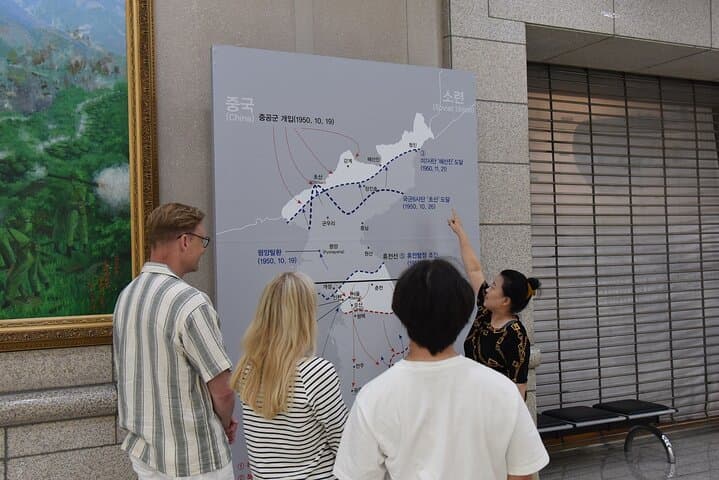
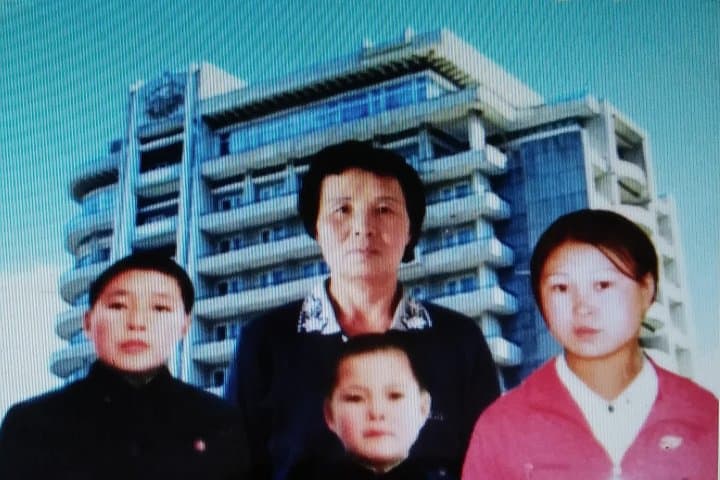
Stand in a polished museum hall as a voice shifts the frame from textbook chronology to lived memory — a North Korean defector recounts how the war was taught behind the 38th parallel and what division feels like for ordinary people.
Verified experiences and guided adventures in the surrounding area.
Operated by beyond DMZ tours · Seoul, Seoul
Stand in a polished museum hall as a voice shifts the frame from textbook chronology to lived memory — a North Korean defector recounts how the war was taught behind the 38th parallel and what division feels like for ordinary people.
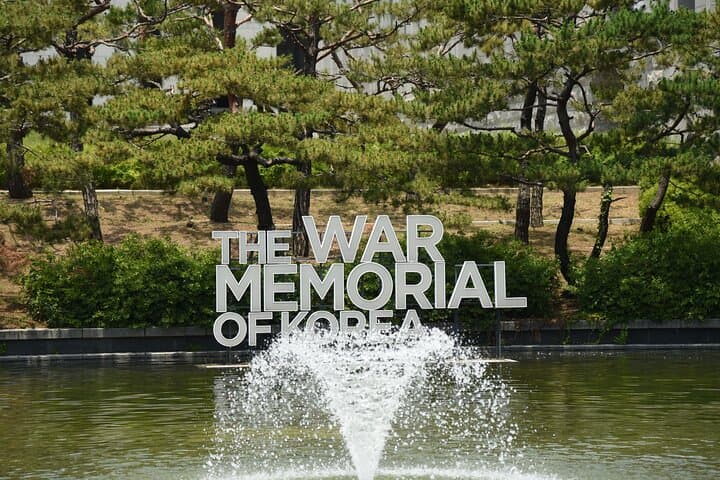
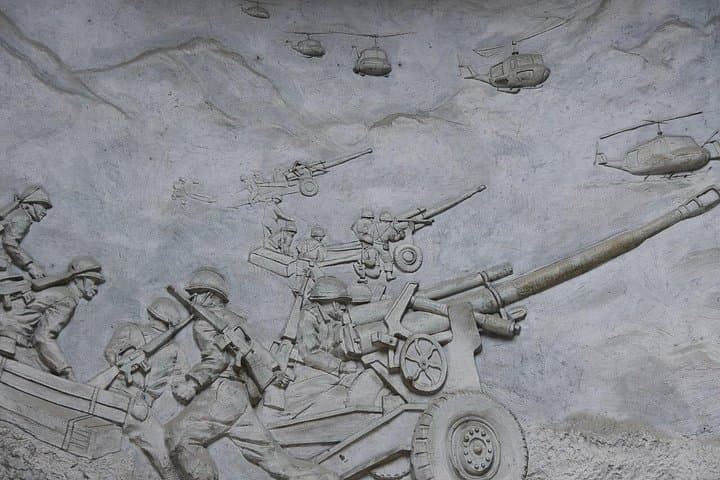
The War Memorial in Seoul anchors this three-hour experience: exhibit halls of maps, uniforms and artillery segue into an intimate talk by someone who grew up under North Korean schooling. The tour places the Korean War in human scale, connecting South Korea’s recorded history with first-person perspectives that illuminate propaganda, civilian displacement and postwar separation.
Geology and geopolitics meet here — the narrow Korean Peninsula and its ridgelines dictated troop movements, while the artificially frozen border created a strip of restricted land that has become both danger zone and accidental refuge for wildlife. Cultural context matters: South Korea commemorates the war in museums and monuments, while defectors’ testimonies reveal how memory and state narrative diverge.
Practical guidance: tours last roughly three hours, operate from Seoul, and are suitable for most visitors. Bring your passport or ID for registration, arrive early for security screening, and prepare questions — Q&A is a key part of the value.
Expect a thoughtful, sometimes raw atmosphere rather than theatrical storytelling. Photography policies vary by venue, and the talk can cover sensitive topics; the experience is best for travelers looking to understand the peninsula’s division through both artifacts and human testimony.
easy.
3 hours.
Suitable for most fitness levels; the tour is museum- and talk-based with minimal walking
Yes—bring a passport or government-issued ID for identification and security check-in at the venue.
The War Memorial and program spaces are wheelchair- and stroller-accessible, but contact the operator in advance for specific accommodations.
This particular tour focuses on the War Memorial and defectors’ perspectives; JSA access is not guaranteed unless explicitly stated.
Content can be sensitive; while families are allowed, consider the subject matter before bringing young children.
The Korean War (1950–1953) ended with an armistice rather than a peace treaty, leaving the peninsula divided along the Demilitarized Zone created by ceasefire lines.
Restricted human activity in the DMZ has produced one of the peninsula’s largest accidental wildlife refuges; visitors are encouraged to avoid disturbing habitats and follow all site rules.
beyond DMZ tours operates guided outdoor trips and adventures with an emphasis on safety, stewardship, and memorable experiences.
Stand in a polished museum hall as a voice shifts the frame from textbook chronology to lived memory — a North Korean defector recounts how the war was taught behind the 38th parallel and what division feels like for ordinary people.
Stand in a polished museum hall as a voice shifts the frame from textbook chronology to lived memory — a North Korean defector recounts how the war was taught behind the 38th parallel and what division feels like for ordinary people.
The War Memorial in Seoul anchors this three-hour experience: exhibit halls of maps, uniforms and artillery segue into an intimate talk by someone who grew up under North Korean schooling. The tour places the Korean War in human scale, connecting South Korea’s recorded history with first-person perspectives that illuminate propaganda, civilian displacement and postwar separation.
Geology and geopolitics meet here — the narrow Korean Peninsula and its ridgelines dictated troop movements, while the artificially frozen border created a strip of restricted land that has become both danger zone and accidental refuge for wildlife. Cultural context matters: South Korea commemorates the war in museums and monuments, while defectors’ testimonies reveal how memory and state narrative diverge.
Practical guidance: tours last roughly three hours, operate from Seoul, and are suitable for most visitors. Bring your passport or ID for registration, arrive early for security screening, and prepare questions — Q&A is a key part of the value.
Expect a thoughtful, sometimes raw atmosphere rather than theatrical storytelling. Photography policies vary by venue, and the talk can cover sensitive topics; the experience is best for travelers looking to understand the peninsula’s division through both artifacts and human testimony.