THE ADVENTURE COLLECTIVE® · Independent discovery and booking for outdoor travel

Step off the highway and into one of the most tightly controlled borderlands on Earth. This half-day DMZ small-group tour from Seoul combines memorial parks, the 3rd Tunnel, and Dora Observatory for a concise, security-led look at Korea’s divided past.
Step off the highway and into one of the most tightly controlled borderlands on Earth. This half-day DMZ small-group tour from Seoul combines memorial parks, the 3rd Tunnel, and Dora Observatory for a concise, security-led look at Korea’s divided past.
A low morning sun lifts over cut fields as the coach eases toward barbed wire and watchtowers; the noise of Seoul falls away and a quiet hum takes over. Travelers step onto concrete paths that cross a modern boundary, looking down the same valley that once marked a divided peninsula. The scene is stripped of cliché—cleared buffer zones, military markers, and skyward binoculars replace scenic postcards.
Verified experiences and guided adventures in the surrounding area.
Operated by Etourism Co.Ltd · Paju, Gyeonggi-do
A low morning sun lifts over cut fields as the coach eases toward barbed wire and watchtowers; the noise of Seoul falls away and a quiet hum takes over. Travelers step onto concrete paths that cross a modern boundary, looking down the same valley that once marked a divided peninsula. The scene is stripped of cliché—cleared buffer zones, military markers, and skyward binoculars replace scenic postcards.
This half-day excursion moves through modern Korean history: Imjingak’s memorials, Freedom Bridge’s return plaques, the excavated length of the 3rd Tunnel, and the Dora Observatory that peers across into North Korea. Geologically this lowland plain is riverine—flat farm plots with ridges carved by the Imjin River—creating long sightlines that make observation possible. Culturally, the route is compact but dense: sites preserve wartime memory and everyday stories of separated families.
Travelers should expect structured, security-heavy logistics: passports checked, limited admission slots, and a guided itinerary that rarely deviates. Wear sturdy shoes for walking down the tunnel steps and bring layers—the observatory sits exposed and can be windy. Photography is generally allowed at public vantage points but restricted in zones with active military presence; follow your guide’s directions.
Book well in advance if you need a guaranteed slot; arrive with your original passport and minimal luggage for security checks. Hydrate and plan for 6–7 hours that blend history, quiet landscapes, and direct proximity to one of the world’s most consequential borders.
easy.
6–7 hours.
Suitable for most fitness levels; participants should be able to walk down/restore a flight of steps and stand during short tours.
Yes—original passport is mandatory for DMZ access; copies or photos are not accepted, and you will be denied entry without it.
The tour is listed as suitable for all fitness levels, but participants should be able to walk short distances and descend stairs into the 3rd Tunnel.
Yes—photography is allowed from the Dora Observatory vantage points, but avoid restricted areas and comply with your guide and posted rules.
Tickets are limited and often sold first-come, first-served; booking a month in advance is recommended for reliable availability.
The Korean Demilitarized Zone was established by the 1953 Armistice as a 4-kilometer-wide buffer; many sites preserve stories of the Korean War and separated families.
Limited civilian access and restricted development in parts of the DMZ have unintentionally created important habitats, so visitors should follow rules to minimize disturbance.
Etourism Co.Ltd operates guided outdoor trips and adventures with an emphasis on safety, stewardship, and memorable experiences.
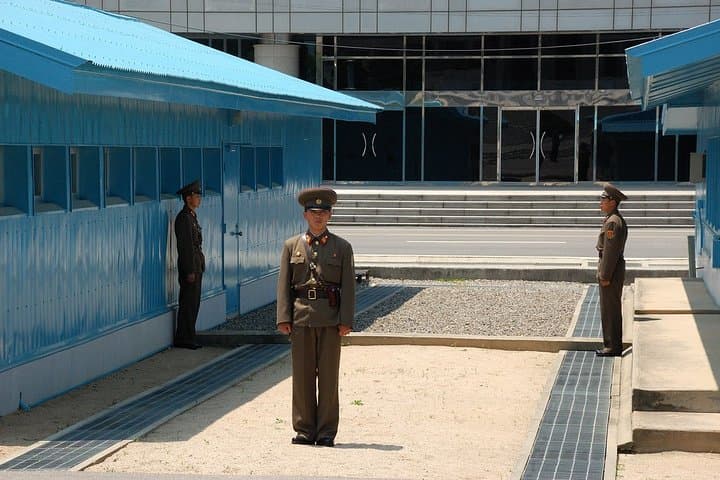
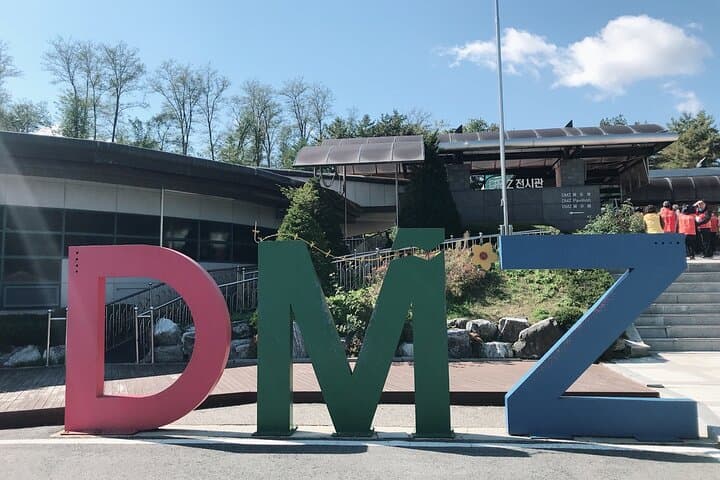
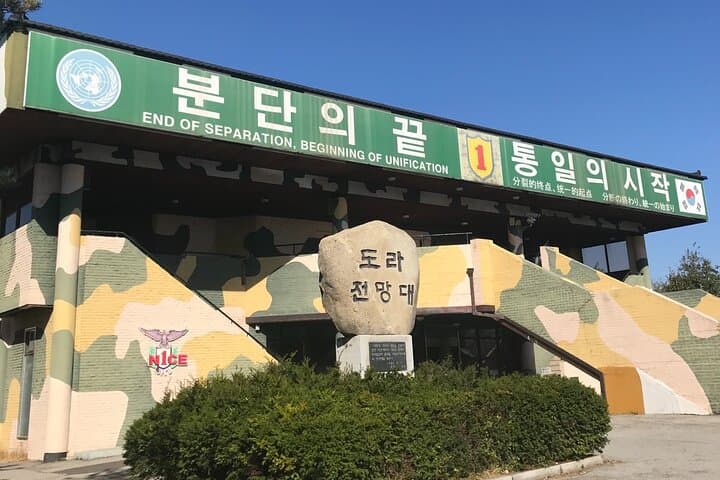
A low morning sun lifts over cut fields as the coach eases toward barbed wire and watchtowers; the noise of Seoul falls away and a quiet hum takes over. Travelers step onto concrete paths that cross a modern boundary, looking down the same valley that once marked a divided peninsula. The scene is stripped of cliché—cleared buffer zones, military markers, and skyward binoculars replace scenic postcards.
A low morning sun lifts over cut fields as the coach eases toward barbed wire and watchtowers; the noise of Seoul falls away and a quiet hum takes over. Travelers step onto concrete paths that cross a modern boundary, looking down the same valley that once marked a divided peninsula. The scene is stripped of cliché—cleared buffer zones, military markers, and skyward binoculars replace scenic postcards.
This half-day excursion moves through modern Korean history: Imjingak’s memorials, Freedom Bridge’s return plaques, the excavated length of the 3rd Tunnel, and the Dora Observatory that peers across into North Korea. Geologically this lowland plain is riverine—flat farm plots with ridges carved by the Imjin River—creating long sightlines that make observation possible. Culturally, the route is compact but dense: sites preserve wartime memory and everyday stories of separated families.
Travelers should expect structured, security-heavy logistics: passports checked, limited admission slots, and a guided itinerary that rarely deviates. Wear sturdy shoes for walking down the tunnel steps and bring layers—the observatory sits exposed and can be windy. Photography is generally allowed at public vantage points but restricted in zones with active military presence; follow your guide’s directions.
Book well in advance if you need a guaranteed slot; arrive with your original passport and minimal luggage for security checks. Hydrate and plan for 6–7 hours that blend history, quiet landscapes, and direct proximity to one of the world’s most consequential borders.