THE ADVENTURE COLLECTIVE® · Independent discovery and booking for outdoor travel

A full-day guided route from Seoul into the DMZ region that combines a 500m visit inside the 2nd Tunnel with hikes and viewpoints across Hantangang Geopark, the Sky Bridge, Woljeong-ri Station and the Peace Observatory. Expect steep stairs, geology-rich cliffs, and strict ID and photography rules.
A full-day guided route from Seoul into the DMZ region that combines a 500m visit inside the 2nd Tunnel with hikes and viewpoints across Hantangang Geopark, the Sky Bridge, Woljeong-ri Station and the Peace Observatory. Expect steep stairs, geology-rich cliffs, and strict ID and photography rules.
The bus eases out of Seoul before dawn and the city’s glass fades into folded farmland. By midmorning the road cuts through low hills and the air sharpens—Hantan River’s basalt cliffs come into view, daring you to follow the canyon’s line. The tour threads together Cold War relics and raw geology: a descent into the 2nd infiltration tunnel, a walk across the Sky Bridge that spans the Hantangang Geopark, and stops at the Peace Observatory and Woljeong-ri Station.
Verified experiences and guided adventures in the surrounding area.
Operated by I Love Seoul Tour · Cheorwon, Gangwon-do
The bus eases out of Seoul before dawn and the city’s glass fades into folded farmland. By midmorning the road cuts through low hills and the air sharpens—Hantan River’s basalt cliffs come into view, daring you to follow the canyon’s line. The tour threads together Cold War relics and raw geology: a descent into the 2nd infiltration tunnel, a walk across the Sky Bridge that spans the Hantangang Geopark, and stops at the Peace Observatory and Woljeong-ri Station.
This corridor between North and South Korea holds layered stories. The 2nd Tunnel, discovered in 1975, is part military engineering, part historical warning—its galleries were carved to move troops beneath the border. The gorge’s columnar jointing comes from volcanic episodes over 100 million years ago; basalt and granite meet where lava once poured and rivers later cut deep. Cultural traces—railcars stopped at Woljeong-ri and war memorials—anchor the landscape in the 20th century’s upheavals.
Practically, expect an 11–13 hour day with guided transport from Seoul, short walks on cliffside paths, and a 500m controlled access into the tunnel (steep stairs and low ceilings). Photography is restricted at some points; carry your passport and follow your guide’s directions. Footwear with good grip will matter for wet rock near the river; layers work best for the temperature swing between underground tunnel cool and exposed ridge wind.
The experience balances stark history with elemental geology—an excursion that demands attention and rewards it with tangible context and wide, stony views.
moderate.
11–13 hours.
Moderate fitness—comfortable walking, stair descent/ascent, and short cliffside walks required.
Yes—passport or government ID is required for DMZ checkpoint processing; tours will not admit guests without valid ID.
The tourist section is 500m long with stairs and a low ceiling in spots; travelers with spinal, heart, or severe mobility issues are discouraged.
Photography is allowed in many outdoor areas but restricted near military installations and inside certain observation points—follow the guide’s instructions.
Meals are typically not included; the itinerary includes transport and guide services, so bring snacks or plan a short stop where available.
This strip of land reflects 20th-century division: tunnels and stations are physical artifacts of the Korean War and subsequent border tensions.
Limited access has allowed pockets of diverse habitat to persist; visitors should stay on paths, avoid disturbing wildlife, and follow guide rules to minimize impact.
I Love Seoul Tour operates guided outdoor trips and adventures with an emphasis on safety, stewardship, and memorable experiences.
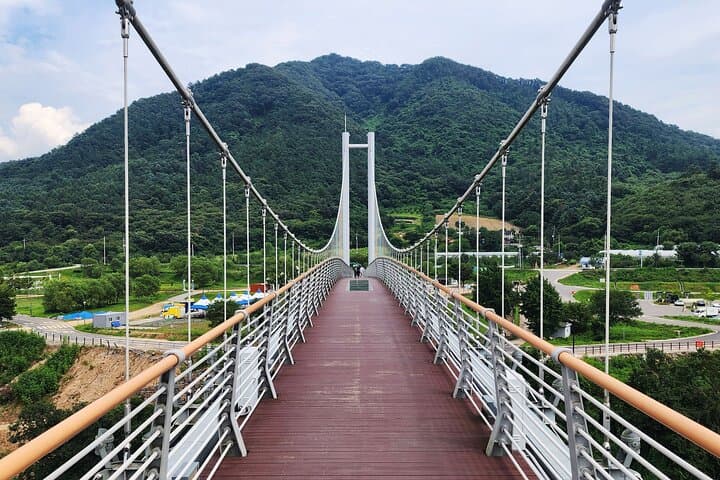
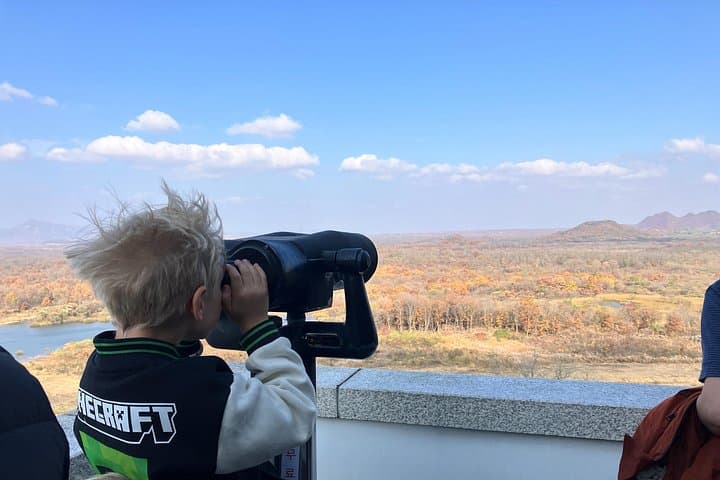
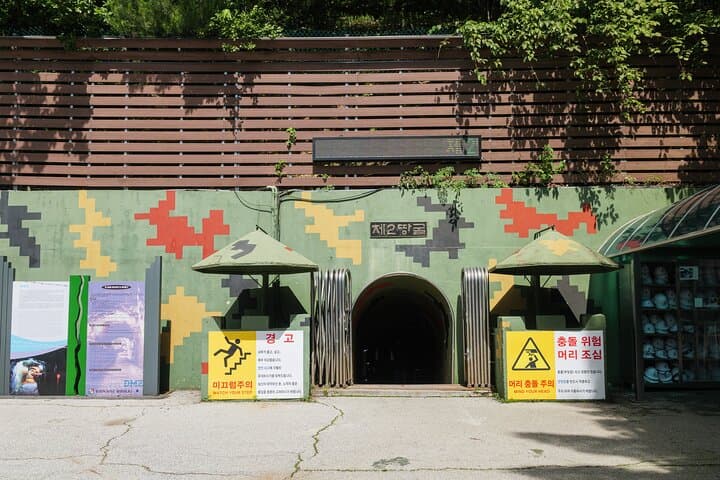
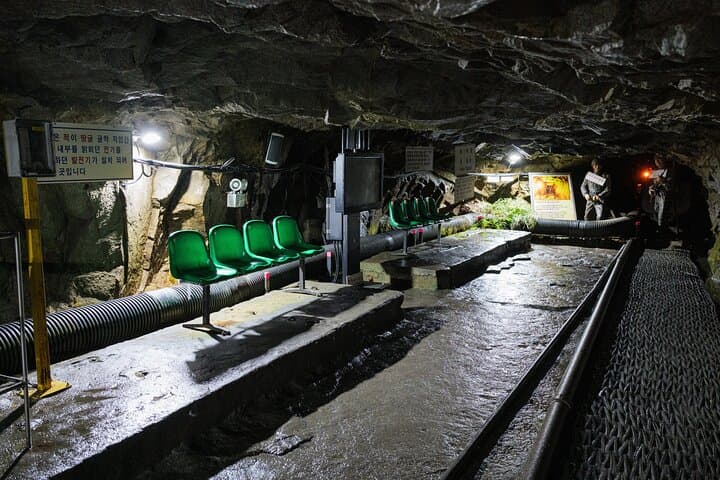
The bus eases out of Seoul before dawn and the city’s glass fades into folded farmland. By midmorning the road cuts through low hills and the air sharpens—Hantan River’s basalt cliffs come into view, daring you to follow the canyon’s line. The tour threads together Cold War relics and raw geology: a descent into the 2nd infiltration tunnel, a walk across the Sky Bridge that spans the Hantangang Geopark, and stops at the Peace Observatory and Woljeong-ri Station.
The bus eases out of Seoul before dawn and the city’s glass fades into folded farmland. By midmorning the road cuts through low hills and the air sharpens—Hantan River’s basalt cliffs come into view, daring you to follow the canyon’s line. The tour threads together Cold War relics and raw geology: a descent into the 2nd infiltration tunnel, a walk across the Sky Bridge that spans the Hantangang Geopark, and stops at the Peace Observatory and Woljeong-ri Station.
This corridor between North and South Korea holds layered stories. The 2nd Tunnel, discovered in 1975, is part military engineering, part historical warning—its galleries were carved to move troops beneath the border. The gorge’s columnar jointing comes from volcanic episodes over 100 million years ago; basalt and granite meet where lava once poured and rivers later cut deep. Cultural traces—railcars stopped at Woljeong-ri and war memorials—anchor the landscape in the 20th century’s upheavals.
Practically, expect an 11–13 hour day with guided transport from Seoul, short walks on cliffside paths, and a 500m controlled access into the tunnel (steep stairs and low ceilings). Photography is restricted at some points; carry your passport and follow your guide’s directions. Footwear with good grip will matter for wet rock near the river; layers work best for the temperature swing between underground tunnel cool and exposed ridge wind.
The experience balances stark history with elemental geology—an excursion that demands attention and rewards it with tangible context and wide, stony views.