THE ADVENTURE COLLECTIVE® · Independent discovery and booking for outdoor travel

Take a half-day small-group trip from Ho Chi Minh City to the Cu Chi Tunnels and move from bright rice fields into a tight, purpose-built underground world. This practical guide explains what to expect—history, terrain, and essential preparation—before you go.
Take a half-day small-group trip from Ho Chi Minh City to the Cu Chi Tunnels and move from bright rice fields into a tight, purpose-built underground world. This practical guide explains what to expect—history, terrain, and essential preparation—before you go.
You climb into a shared minivan before sunrise and the city thins into rice paddies and low mangrove scrub. The road to Củ Chi takes about 60–90 minutes; fields and canals edge closer until a low ridge of clay and laterite appears. At the site, a hush falls—the forest and scrubland seem to lean over the entrances, daring you to peer into the past.
Verified experiences and guided adventures in the surrounding area.
Operated by VN Bike Tour Shore Excursion · Củ Chi, Ho Chi Minh
You climb into a shared minivan before sunrise and the city thins into rice paddies and low mangrove scrub. The road to Củ Chi takes about 60–90 minutes; fields and canals edge closer until a low ridge of clay and laterite appears. At the site, a hush falls—the forest and scrubland seem to lean over the entrances, daring you to peer into the past.
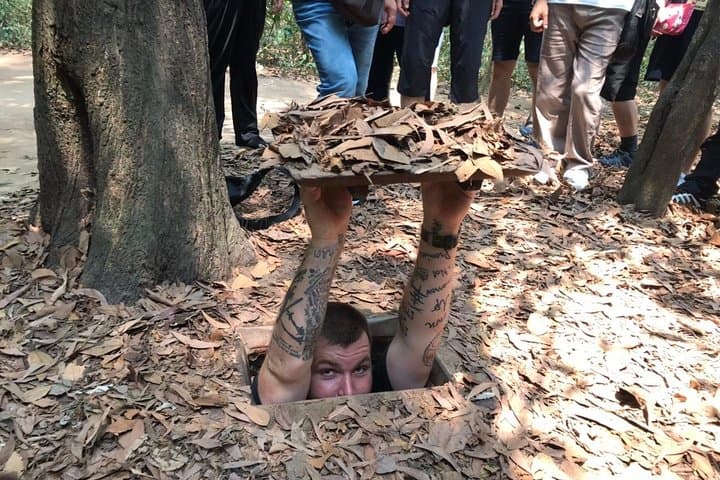
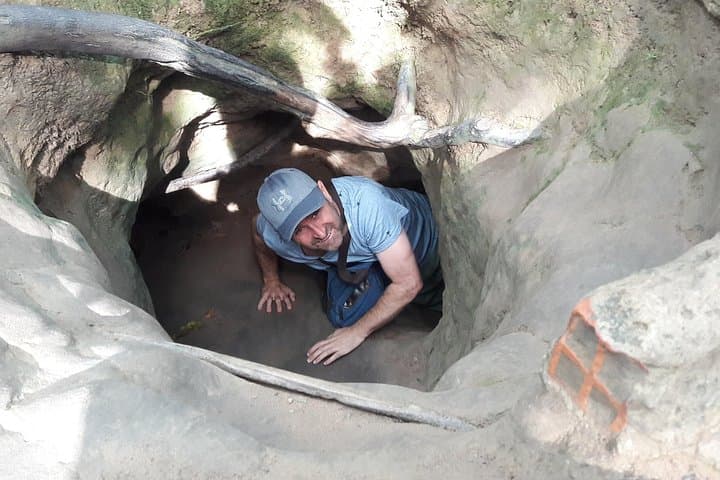
The tunnels were the Viet Cong’s improvised ecosystem: living rooms, kitchens, field hospitals and command posts carved into soft soils and reinforced by generations of hands. The network extends for tens of kilometers and, at tourist sites, reconstructed sections reveal trap doors, hidden chambers and the narrow crawlways that defined life underground. Geologically the area is made up of compacted alluvial and lateritic soils that both supported long tunnels and created tight, smoky passages that tested builders’ ingenuity.
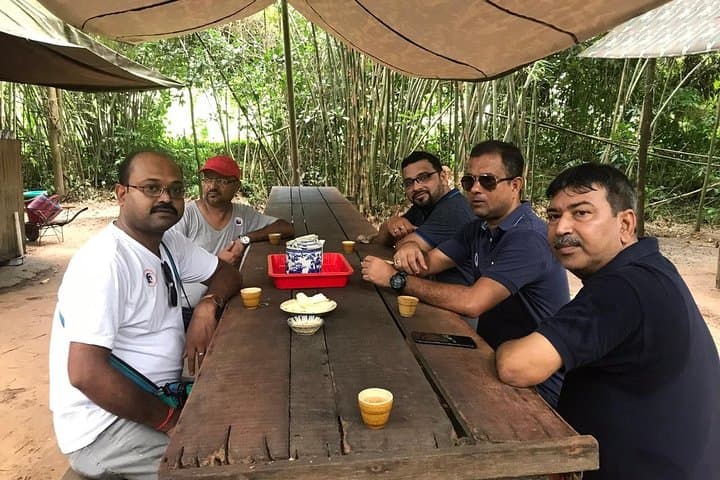
Culture arrives in small forms: a cup of bitter tea and steamed tapioca served as guerrilla-era rations, and local guides mix military history with everyday stories of farmers who lived above the labyrinth. Expect realistic demonstrations—rifles, handmade traps—and a short documentary that frames the tour.
Practical guidance: the tour runs about 5–6 hours with hotel pickup from central Ho Chi Minh City. You’ll crouch and, for short stretches, crawl—wear long sleeves and closed-toe shoes, and bring a reusable water bottle. The site is accessible for most fitness levels but not recommended for those with heart problems or severe claustrophobia. Move deliberately through artifacts, respect preserved areas, and leave room for quieter moments; the landscape here holds memory in its roots and tunnels.
moderate.
5–6 hours.
Moderate: able to walk short distances, crouch and briefly crawl; comfortable with confined spaces.
Expect about 5–6 hours total with hotel pickup in central Ho Chi Minh City; the tour includes entrance fees, a local guide, light snack (tapioca and tea), bottled drink, and return transfer.
There are short sections set aside for visitors to crawl; staff also offer widened demonstration tunnels for those uncomfortable with tight spaces.
Infants (0–4) are typically complimentary, but the tunnels and walking may be unsuitable for very young children or guests with limited mobility—check with the operator about alternatives onsite.
Yes—a private professional guide provides historical context, shows documentary footage, and explains tunnel construction, traps and daily life during the war.
The tunnel systems around Củ Chi were expanded and used by Viet Cong forces during the Vietnam War for command, medicine and logistics; parts of the network on display are reconstructed to convey daily life underground.
Visitor impact is managed by designated paths and reconstructed sections—stay on trails, avoid touching displays, and take litter and plastic bottles with you to reduce strain on a delicate site.
VN Bike Tour Shore Excursion operates guided outdoor trips and adventures with an emphasis on safety, stewardship, and memorable experiences.

You climb into a shared minivan before sunrise and the city thins into rice paddies and low mangrove scrub. The road to Củ Chi takes about 60–90 minutes; fields and canals edge closer until a low ridge of clay and laterite appears. At the site, a hush falls—the forest and scrubland seem to lean over the entrances, daring you to peer into the past.
You climb into a shared minivan before sunrise and the city thins into rice paddies and low mangrove scrub. The road to Củ Chi takes about 60–90 minutes; fields and canals edge closer until a low ridge of clay and laterite appears. At the site, a hush falls—the forest and scrubland seem to lean over the entrances, daring you to peer into the past.
The tunnels were the Viet Cong’s improvised ecosystem: living rooms, kitchens, field hospitals and command posts carved into soft soils and reinforced by generations of hands. The network extends for tens of kilometers and, at tourist sites, reconstructed sections reveal trap doors, hidden chambers and the narrow crawlways that defined life underground. Geologically the area is made up of compacted alluvial and lateritic soils that both supported long tunnels and created tight, smoky passages that tested builders’ ingenuity.
Culture arrives in small forms: a cup of bitter tea and steamed tapioca served as guerrilla-era rations, and local guides mix military history with everyday stories of farmers who lived above the labyrinth. Expect realistic demonstrations—rifles, handmade traps—and a short documentary that frames the tour.
Practical guidance: the tour runs about 5–6 hours with hotel pickup from central Ho Chi Minh City. You’ll crouch and, for short stretches, crawl—wear long sleeves and closed-toe shoes, and bring a reusable water bottle. The site is accessible for most fitness levels but not recommended for those with heart problems or severe claustrophobia. Move deliberately through artifacts, respect preserved areas, and leave room for quieter moments; the landscape here holds memory in its roots and tunnels.