THE ADVENTURE COLLECTIVE® · Independent discovery and booking for outdoor travel

Explore the Cu Chi Tunnels on a private half-day trip from Ho Chi Minh City. Crawl through restored passageways, hear first-hand history from an English-speaking guide, and return to the city the same day.
Explore the Cu Chi Tunnels on a private half-day trip from Ho Chi Minh City. Crawl through restored passageways, hear first-hand history from an English-speaking guide, and return to the city the same day.
You step out of an air-conditioned van onto a red-dust road and the countryside reaches for you—flat fields, rows of rubber trees, and the faint smell of grilled cassava drifting from a roadside stall.
Verified experiences and guided adventures in the surrounding area.
Operated by Authentic HA GIANG · Cu Chi, Ho Chi Minh City
You step out of an air-conditioned van onto a red-dust road and the countryside reaches for you—flat fields, rows of rubber trees, and the faint smell of grilled cassava drifting from a roadside stall.
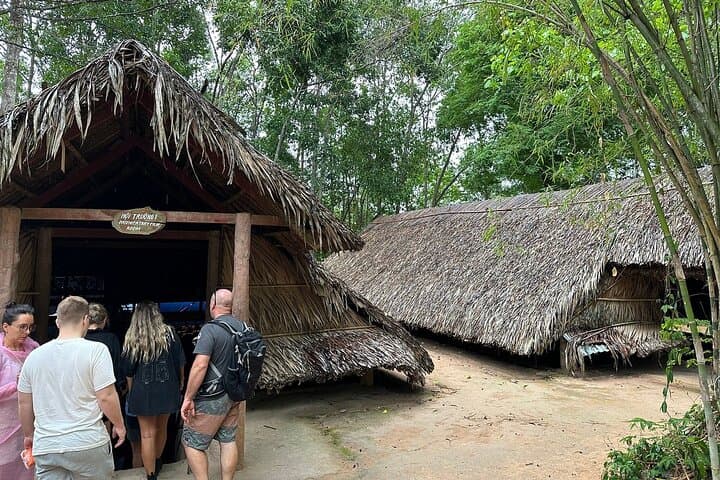
The Cu Chi Tunnels sit under that ordinary surface: an engineered underground city where narrow passages, hidden doors and small kitchens kept soldiers moving like a nervous current during conflict. The network—part of a larger system that extends for hundreds of kilometers—was expanded and used extensively during the Vietnam War, serving as living quarters, hospitals and supply routes.
Geologically the area is low-lying alluvium and sandy loam, easy to dig but prone to humidity; that’s why the tunnels are tight and cool compared with the blistering heat above. Culturally, Cu Chi reflects rural life on Saigon’s edge—rubber estates, simple villagers and food stalls selling cassava and grilled meats.
On a private half-day you’ll get a focused history lesson from a guide, practical demonstration of wartime traps and a chance to feel the crawl spaces yourself. The tour operator usually provides hotel pickup, bottled water, entrance fees and return transport in an air-conditioned vehicle.
Plan for heat and close quarters: wear closed-toe shoes, carry insect repellent and be ready to crouch. If you’re claustrophobic or have spinal or heart issues, opt for the surface exhibits instead. Morning departures avoid mid-day storms and offer softer light for photos. Bring cash for small local snacks and a phone with plenty of battery—coverage is decent but standing in the tunnel, the past is the only signal you’ll get.
moderate.
5–6 hours.
Suitably fit for short walks, stairs and crouching—no extended hiking required.
The private half-day lasts about 5–6 hours door-to-door and typically includes hotel pickup and return in an air-conditioned vehicle.
You can try a restored crawl section; guides will show safer surface exhibits if you prefer not to enter tight spaces.
Some operators offer a supervised shooting activity at an on-site range for an extra fee—ask your provider in advance and follow all safety instructions.
The tour is not recommended for pregnant travelers or those with serious spinal or cardiovascular conditions; children may attend but should be supervised and may be advised to avoid crawling sections.
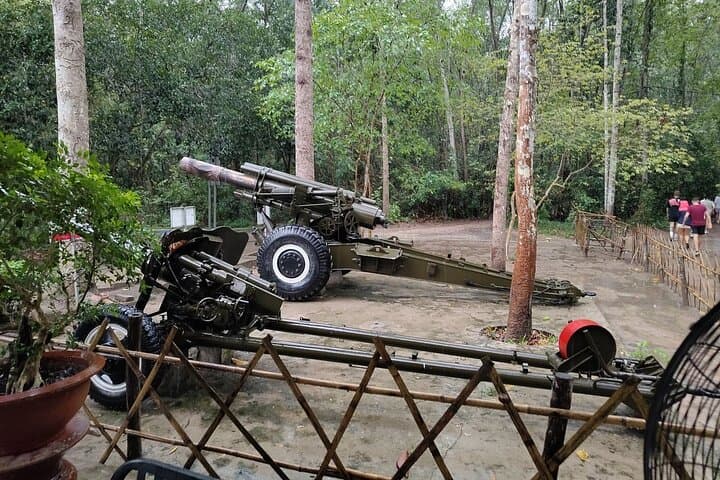
Cu Chi’s tunnels were expanded into an extensive underground complex used by Vietnamese fighters during the 20th century conflicts; many sections are preserved to show wartime living conditions.
High visitor numbers can damage fragile tunnel entrances—stay on marked paths, avoid touching structural timber, and support local guides who follow conservation rules.
Authentic HA GIANG operates guided outdoor trips and adventures with an emphasis on safety, stewardship, and memorable experiences.

You step out of an air-conditioned van onto a red-dust road and the countryside reaches for you—flat fields, rows of rubber trees, and the faint smell of grilled cassava drifting from a roadside stall.
You step out of an air-conditioned van onto a red-dust road and the countryside reaches for you—flat fields, rows of rubber trees, and the faint smell of grilled cassava drifting from a roadside stall.
The Cu Chi Tunnels sit under that ordinary surface: an engineered underground city where narrow passages, hidden doors and small kitchens kept soldiers moving like a nervous current during conflict. The network—part of a larger system that extends for hundreds of kilometers—was expanded and used extensively during the Vietnam War, serving as living quarters, hospitals and supply routes.
Geologically the area is low-lying alluvium and sandy loam, easy to dig but prone to humidity; that’s why the tunnels are tight and cool compared with the blistering heat above. Culturally, Cu Chi reflects rural life on Saigon’s edge—rubber estates, simple villagers and food stalls selling cassava and grilled meats.
On a private half-day you’ll get a focused history lesson from a guide, practical demonstration of wartime traps and a chance to feel the crawl spaces yourself. The tour operator usually provides hotel pickup, bottled water, entrance fees and return transport in an air-conditioned vehicle.
Plan for heat and close quarters: wear closed-toe shoes, carry insect repellent and be ready to crouch. If you’re claustrophobic or have spinal or heart issues, opt for the surface exhibits instead. Morning departures avoid mid-day storms and offer softer light for photos. Bring cash for small local snacks and a phone with plenty of battery—coverage is decent but standing in the tunnel, the past is the only signal you’ll get.