THE ADVENTURE COLLECTIVE® · Independent discovery and booking for outdoor travel

Step into the 1895 Galveston Orphans Home and find a concentrated history of Texas and the American West. The Bryan Museum pairs rare artifacts and interactive displays with a small butterfly garden—ideal for a focused two‑hour cultural stop in Galveston.
Step into the 1895 Galveston Orphans Home and find a concentrated history of Texas and the American West. The Bryan Museum pairs rare artifacts and interactive displays with a small butterfly garden—ideal for a focused two‑hour cultural stop in Galveston.
You arrive at the high‑ceilinged brick façade of the 1895 Galveston Orphans Home with Gulf wind lifting salt and gull cries in the air. Inside, lighting focuses on objects—frayed textiles, mapped ink, a rifle bench—each one a small, stubborn story pulled from Texas and Western frontier life.
Verified experiences and guided adventures in the surrounding area.
Operated by The Bryan Museum · Galveston, Texas
You arrive at the high‑ceilinged brick façade of the 1895 Galveston Orphans Home with Gulf wind lifting salt and gull cries in the air. Inside, lighting focuses on objects—frayed textiles, mapped ink, a rifle bench—each one a small, stubborn story pulled from Texas and Western frontier life.
The Bryan Museum grew from the private Bryan Collection and now houses artifacts spanning roughly 12,000 years: Native American tools, pioneer gear, Western art, and maritime records. The building itself is part of the story—an institutional Victorian structure repurposed to protect fragile archives and to display regional history against the backdrop of Galveston Island’s storm‑scarred coastline. Geology matters here: Galveston is a low barrier island shaped by sediment from the Gulf, so the museum doubles as a cultural anchor in a place frequently tested by hurricanes since 1900.
Culturally, the museum places Texas’ frontier, coastal trade, and indigenous histories side by side, with touch screens that help contextualize dense collections for younger visitors. The admission includes access to a small Butterfly Garden that offers a rare quiet pocket of native plants within the city.
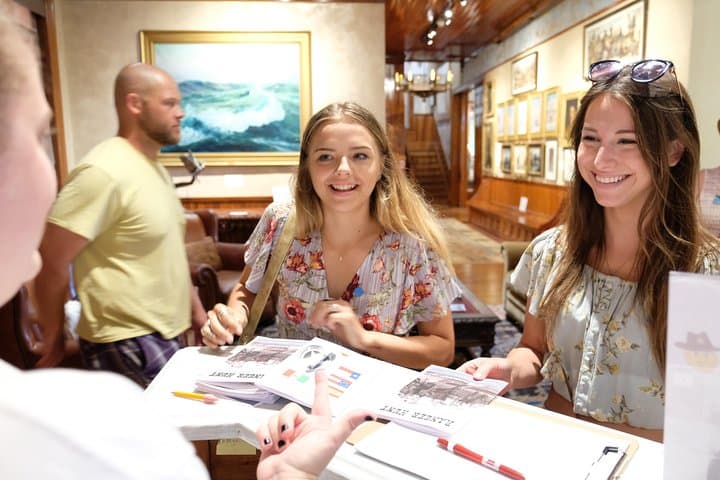
Practical guidance: plan roughly two hours, buy a mobile ticket to skip the line, and arrive in morning or late afternoon to avoid peak summer heat. The site is wheelchair and stroller accessible; bring a light jacket for climate‑controlled galleries. Photography rules vary by exhibit—ask at the desk. If staying overnight, use Galveston as your base and pair the visit with a walk along the Seawall or a seafood dinner nearby.
easy.
1.5–2.5 hours.
Accessible for all fitness levels; mainly indoor walking on level floors
Tickets are mobile or paper and accepted at entry; purchasing ahead can reduce wait times, but standard admission generally allows walk‑in entry depending on capacity.
Yes—The Bryan Museum reports wheelchair and stroller accessible surfaces and spaces throughout the facility.
Yes—the Butterfly Garden is included with your ticket and provides an outdoor break from the galleries.
Most visitors spend about two hours to see the core exhibits; three hours gives time for slower, in‑depth viewing and the garden.
The Bryan Museum is housed in the 1895 Galveston Orphans Home and displays the Bryan Collection, one of the largest private collections of artifacts, documents, and art related to Texas and the American West.
The museum actively preserves delicate artifacts and documents; because Galveston is a low coastal island, staff manage humidity and storm‑related risks, so follow on‑site rules to help protect collections.
The Bryan Museum operates guided outdoor trips and adventures with an emphasis on safety, stewardship, and memorable experiences.
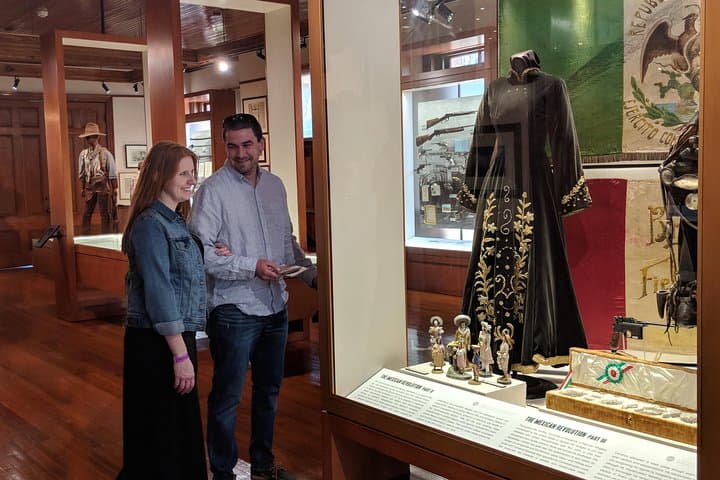
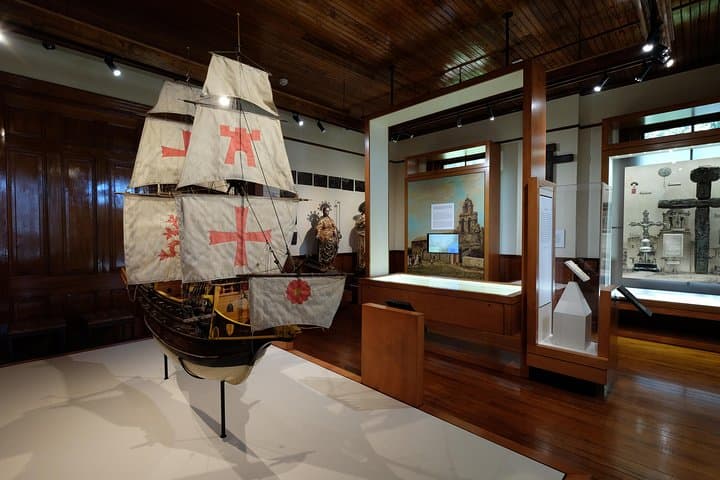
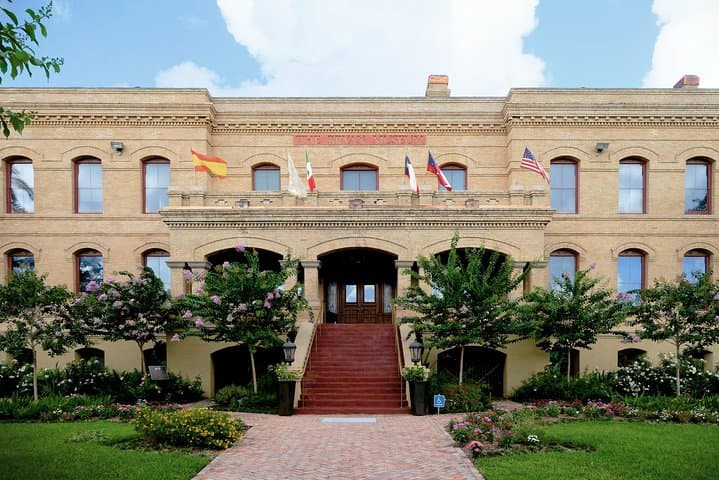
You arrive at the high‑ceilinged brick façade of the 1895 Galveston Orphans Home with Gulf wind lifting salt and gull cries in the air. Inside, lighting focuses on objects—frayed textiles, mapped ink, a rifle bench—each one a small, stubborn story pulled from Texas and Western frontier life.
You arrive at the high‑ceilinged brick façade of the 1895 Galveston Orphans Home with Gulf wind lifting salt and gull cries in the air. Inside, lighting focuses on objects—frayed textiles, mapped ink, a rifle bench—each one a small, stubborn story pulled from Texas and Western frontier life.
The Bryan Museum grew from the private Bryan Collection and now houses artifacts spanning roughly 12,000 years: Native American tools, pioneer gear, Western art, and maritime records. The building itself is part of the story—an institutional Victorian structure repurposed to protect fragile archives and to display regional history against the backdrop of Galveston Island’s storm‑scarred coastline. Geology matters here: Galveston is a low barrier island shaped by sediment from the Gulf, so the museum doubles as a cultural anchor in a place frequently tested by hurricanes since 1900.
Culturally, the museum places Texas’ frontier, coastal trade, and indigenous histories side by side, with touch screens that help contextualize dense collections for younger visitors. The admission includes access to a small Butterfly Garden that offers a rare quiet pocket of native plants within the city.
Practical guidance: plan roughly two hours, buy a mobile ticket to skip the line, and arrive in morning or late afternoon to avoid peak summer heat. The site is wheelchair and stroller accessible; bring a light jacket for climate‑controlled galleries. Photography rules vary by exhibit—ask at the desk. If staying overnight, use Galveston as your base and pair the visit with a walk along the Seawall or a seafood dinner nearby.