THE ADVENTURE COLLECTIVE® · Independent discovery and booking for outdoor travel

A focused two-hour guided tour that highlights the British Museum’s most influential objects — the Rosetta Stone, Parthenon sculptures and Benin Bronzes — with historical context and practical tips to make the most of your visit.
A focused two-hour guided tour that highlights the British Museum’s most influential objects — the Rosetta Stone, Parthenon sculptures and Benin Bronzes — with historical context and practical tips to make the most of your visit.
You step off Great Russell Street into a hum of voices and a cool stone atrium, light sliding down the central staircase as the guide points toward a slab of basalt that changed how we read the ancient world. The tour threads through glass cases and vaulted galleries, pausing at the Rosetta Stone, the Parthenon marbles and the Benin Bronzes; each object feels alive with stories of craft, conquest and exchange.
Verified experiences and guided adventures in the surrounding area.
Operated by My Tour London · London, England
You step off Great Russell Street into a hum of voices and a cool stone atrium, light sliding down the central staircase as the guide points toward a slab of basalt that changed how we read the ancient world. The tour threads through glass cases and vaulted galleries, pausing at the Rosetta Stone, the Parthenon marbles and the Benin Bronzes; each object feels alive with stories of craft, conquest and exchange.
Founded from Sir Hans Sloane’s 18th-century collection, the British Museum charts global histories across rooms organized by culture and chronology. Expect Egypt’s mummies and funerary goods, Assyrian stone reliefs, Pacific moai and the contemplative Enlightenment Gallery showcasing early natural specimens and curiosities. The building itself maps Britain’s imperial-era collecting practices, and many displays now sit amid active conversations about conservation and provenance.
Practicalities shape the visit: this guided experience runs about two hours, is suitable for all mobility levels, and typically limits groups to around 20. Arrive 10–15 minutes early to clear security and pick up any complementary materials. Wear comfortable shoes—the route covers several galleries and gentle stairs—and keep a small bottle of water handy. Photography policies vary by case; your guide will flag restricted objects. If you want quieter viewing, early mornings on weekdays are best; afternoons and weekends are busiest. The tour gives context efficiently: ideal if you want a focused introduction to the museum’s headline objects without getting lost in its vast collections.
easy.
2 hours.
Suitable for most fitness levels; involves standing and walking on hard floors for up to two hours.
Yes—this guided tour includes museum entry as part of the booking; confirm meeting details in your booking confirmation.
The British Museum offers wheelchair access and this tour accommodates mobility needs; notify providers of accessibility requirements when booking.
Large items may be subject to security checks or asked to be stored at cloakroom facilities; bring a small bag for convenience.
Guides typically use voice projection for small groups; check the tour description or ask the operator if headsets are offered for social distancing.
The museum opened to the public in 1759 from the donated collections of Sir Hans Sloane and was among the first national public museums in the world.
Galleries use climate-controlled cases and active conservation labs; the museum is also involved in ongoing provenance research and discussions about repatriation.
My Tour London operates guided outdoor trips and adventures with an emphasis on safety, stewardship, and memorable experiences.
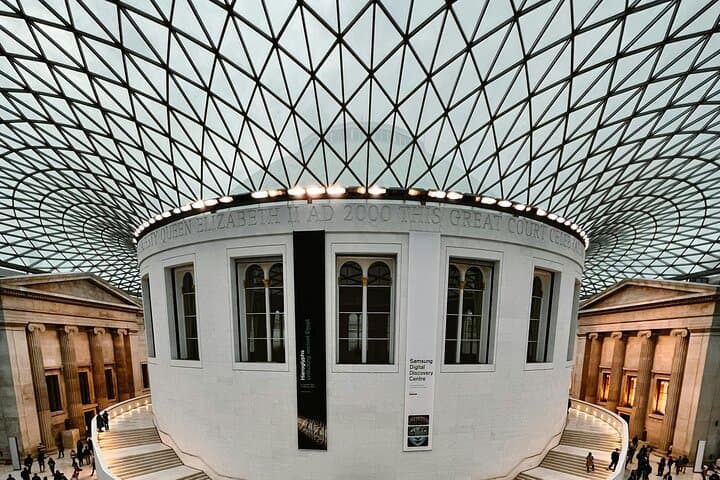
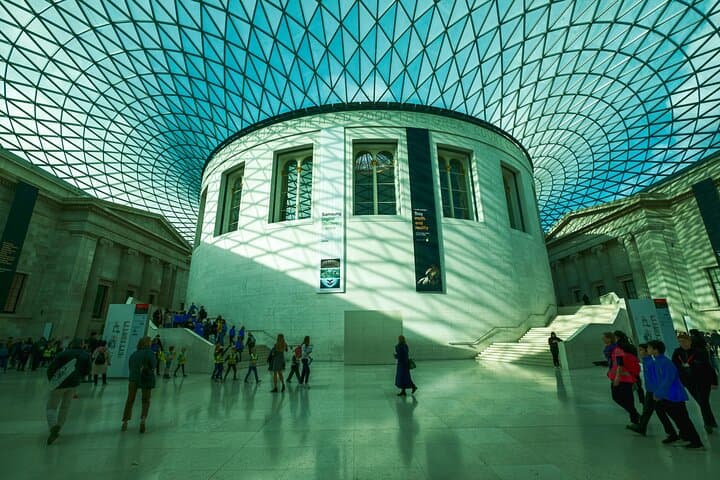
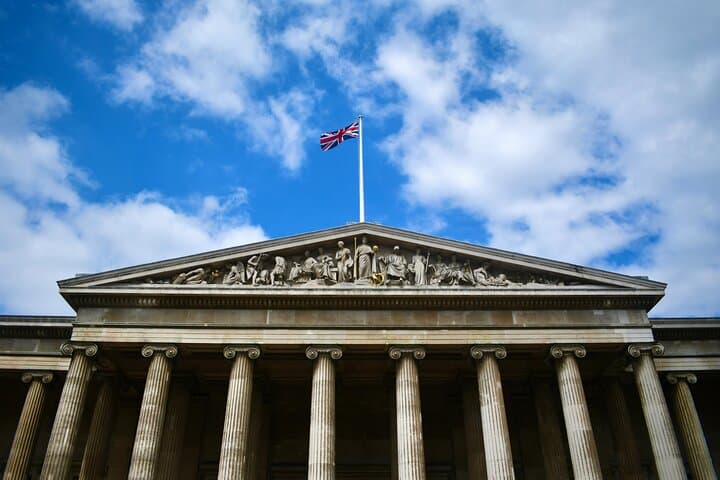
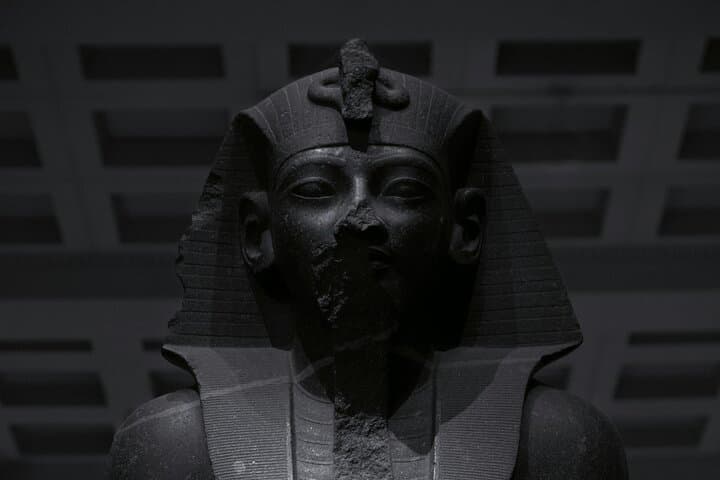
You step off Great Russell Street into a hum of voices and a cool stone atrium, light sliding down the central staircase as the guide points toward a slab of basalt that changed how we read the ancient world. The tour threads through glass cases and vaulted galleries, pausing at the Rosetta Stone, the Parthenon marbles and the Benin Bronzes; each object feels alive with stories of craft, conquest and exchange.
You step off Great Russell Street into a hum of voices and a cool stone atrium, light sliding down the central staircase as the guide points toward a slab of basalt that changed how we read the ancient world. The tour threads through glass cases and vaulted galleries, pausing at the Rosetta Stone, the Parthenon marbles and the Benin Bronzes; each object feels alive with stories of craft, conquest and exchange.
Founded from Sir Hans Sloane’s 18th-century collection, the British Museum charts global histories across rooms organized by culture and chronology. Expect Egypt’s mummies and funerary goods, Assyrian stone reliefs, Pacific moai and the contemplative Enlightenment Gallery showcasing early natural specimens and curiosities. The building itself maps Britain’s imperial-era collecting practices, and many displays now sit amid active conversations about conservation and provenance.
Practicalities shape the visit: this guided experience runs about two hours, is suitable for all mobility levels, and typically limits groups to around 20. Arrive 10–15 minutes early to clear security and pick up any complementary materials. Wear comfortable shoes—the route covers several galleries and gentle stairs—and keep a small bottle of water handy. Photography policies vary by case; your guide will flag restricted objects. If you want quieter viewing, early mornings on weekdays are best; afternoons and weekends are busiest. The tour gives context efficiently: ideal if you want a focused introduction to the museum’s headline objects without getting lost in its vast collections.