THE ADVENTURE COLLECTIVE® · Independent discovery and booking for outdoor travel

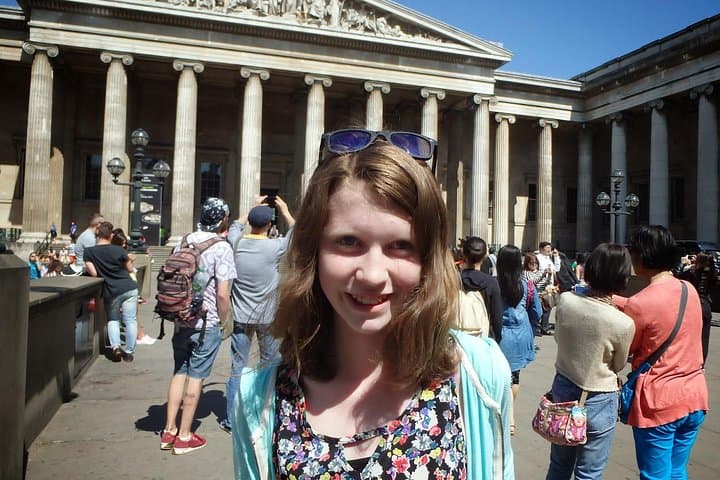
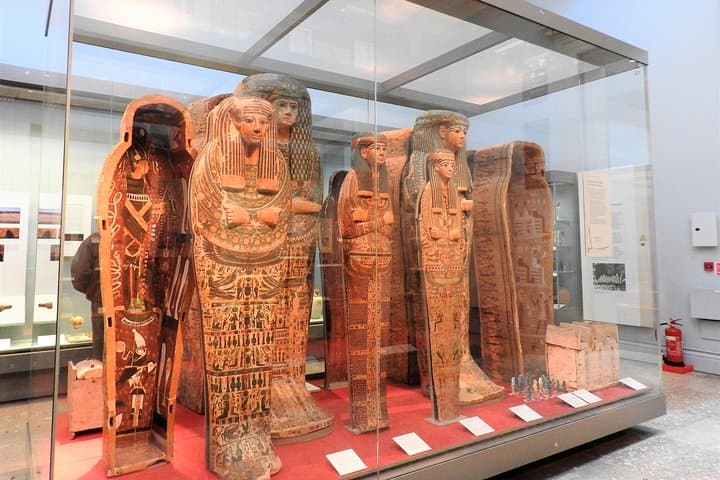
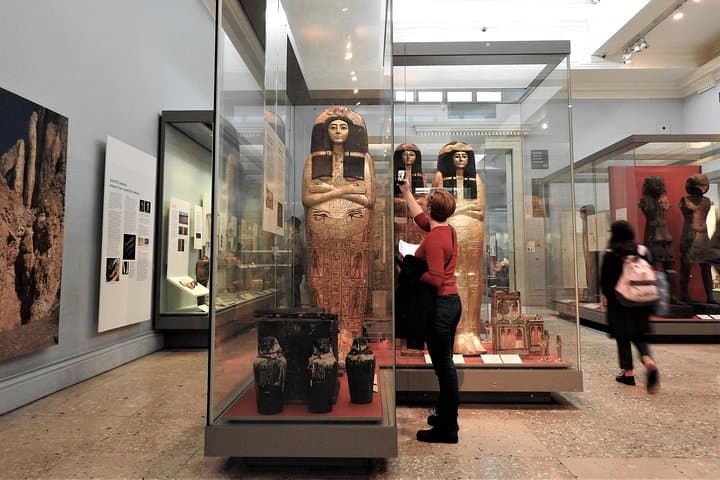
Walk straight into millennia on a focused two-hour guided tour of the British Museum. See the Rosetta Stone, Parthenon sculptures and Ancient Egypt with expert context and practical routing to avoid the busiest rooms.
Walk straight into millennia on a focused two-hour guided tour of the British Museum. See the Rosetta Stone, Parthenon sculptures and Ancient Egypt with expert context and practical routing to avoid the busiest rooms.
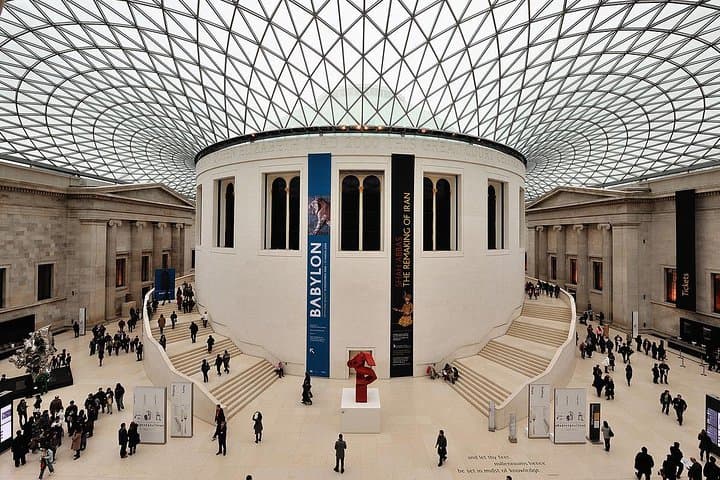
You step from Bloomsbury’s stone streets into a light-washed courtyard where the glass roof of the Great Court opens like a calm sky overhead. Voices drop; footsteps echo. The guide draws you toward a slab of carved stone that once changed how we read the past—the Rosetta Stone—and the day accelerates into a march through time.
Verified experiences and guided adventures in the surrounding area.
Operated by UTG EXPERIENCE · London, Greater London
You step from Bloomsbury’s stone streets into a light-washed courtyard where the glass roof of the Great Court opens like a calm sky overhead. Voices drop; footsteps echo. The guide draws you toward a slab of carved stone that once changed how we read the past—the Rosetta Stone—and the day accelerates into a march through time.
Founded in 1753, the British Museum was among the first public institutions to collect and display global antiquities. Its holdings track imperial collecting, archaeological breakthroughs and the aesthetic shifts of centuries. Geology and craft meet in the galleries: Carrara marble from Greece, basalt reliefs from ancient Mesopotamia and Egyptian limestone that still bears Nile-borne mineral staining. Cultural layers sit side by side—Greek sculpture, Egyptian mummies, Anglo-Saxon metalwork—each object a compact lesson in trade, conquest and belief.
Practical guide: this is a two-hour, instructor-led route aimed at highlights—the Rosetta Stone, Parthenon sculptures, Ancient Egypt and Anglo-Saxon displays—limited to about 25 guests. Admission to the museum is free; the guided tour provides a booked place and contextual commentary that skips the guesswork. The Great Court roof and the Reading Room are visible photo stops; the Enlightenment Gallery rewards longer attention if you can linger.
Plan to arrive by tube (British Museum is a short walk from Tottenham Court Road and Holborn), bring comfortable shoes for standing and short walks between rooms, and allow extra time afterward to revisit favorites. The museum is wheelchair and stroller accessible; early morning tours generally face lighter crowds. For travellers who want history with practical pacing, this tour covers the essentials without the overwhelm.
easy.
2 hours.
Suitable for most fitness levels; requires standing and short walks between rooms
General admission to the museum is free, but this is a paid guided tour that reserves your place and provides expert commentary.
Yes—the museum and the tour route are wheelchair accessible; indicate any special requirements when booking.
Photography without flash is generally permitted in most galleries, though some objects or temporary exhibits may have restrictions.
Yes—these landmark objects are included in the standard two-hour highlights tour.
Opened in 1759 from the collection of Sir Hans Sloane, the British Museum was among the first institutions to make global antiquities publicly accessible.
The museum faces ongoing debates about provenance and repatriation; conservation teams focus on stabilizing fragile materials and managing visitor impact in sensitive galleries.
UTG EXPERIENCE operates guided outdoor trips and adventures with an emphasis on safety, stewardship, and memorable experiences.
You step from Bloomsbury’s stone streets into a light-washed courtyard where the glass roof of the Great Court opens like a calm sky overhead. Voices drop; footsteps echo. The guide draws you toward a slab of carved stone that once changed how we read the past—the Rosetta Stone—and the day accelerates into a march through time.
You step from Bloomsbury’s stone streets into a light-washed courtyard where the glass roof of the Great Court opens like a calm sky overhead. Voices drop; footsteps echo. The guide draws you toward a slab of carved stone that once changed how we read the past—the Rosetta Stone—and the day accelerates into a march through time.
Founded in 1753, the British Museum was among the first public institutions to collect and display global antiquities. Its holdings track imperial collecting, archaeological breakthroughs and the aesthetic shifts of centuries. Geology and craft meet in the galleries: Carrara marble from Greece, basalt reliefs from ancient Mesopotamia and Egyptian limestone that still bears Nile-borne mineral staining. Cultural layers sit side by side—Greek sculpture, Egyptian mummies, Anglo-Saxon metalwork—each object a compact lesson in trade, conquest and belief.
Practical guide: this is a two-hour, instructor-led route aimed at highlights—the Rosetta Stone, Parthenon sculptures, Ancient Egypt and Anglo-Saxon displays—limited to about 25 guests. Admission to the museum is free; the guided tour provides a booked place and contextual commentary that skips the guesswork. The Great Court roof and the Reading Room are visible photo stops; the Enlightenment Gallery rewards longer attention if you can linger.
Plan to arrive by tube (British Museum is a short walk from Tottenham Court Road and Holborn), bring comfortable shoes for standing and short walks between rooms, and allow extra time afterward to revisit favorites. The museum is wheelchair and stroller accessible; early morning tours generally face lighter crowds. For travellers who want history with practical pacing, this tour covers the essentials without the overwhelm.