THE ADVENTURE COLLECTIVE® · Independent discovery and booking for outdoor travel

A focused half-day tour that pairs the Apartheid Museum’s powerful exhibits with panoramic views from the Carlton Centre and a walk through Johannesburg’s Maboneng precinct. Expect historical depth, urban geology, and accessible logistics for a thoughtful city experience.
A focused half-day tour that pairs the Apartheid Museum’s powerful exhibits with panoramic views from the Carlton Centre and a walk through Johannesburg’s Maboneng precinct. Expect historical depth, urban geology, and accessible logistics for a thoughtful city experience.
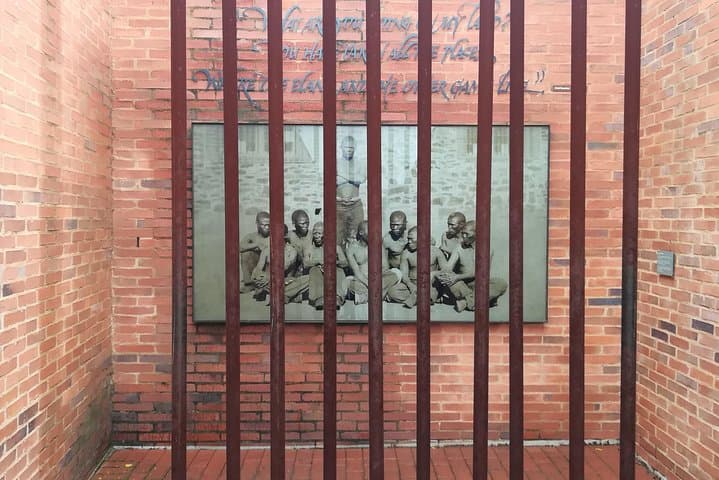
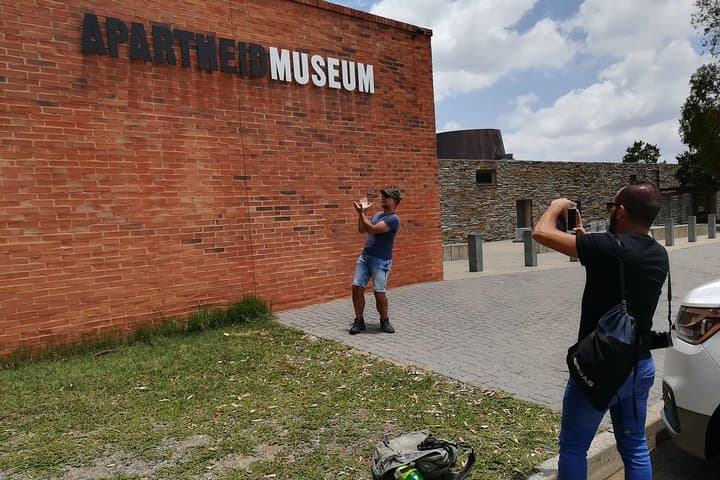
You step through a steel gate; the city’s pulse shifts from traffic to a quieter, more reflective hum. The Apartheid Museum’s concrete slabs and stark exhibits pull you into mid-20th-century South Africa, where archival footage, photos and personal artifacts map a system of segregation and the long march to democracy.
Verified experiences and guided adventures in the surrounding area.
Operated by Masupatsela Tours · Johannesburg, Gauteng
You step through a steel gate; the city’s pulse shifts from traffic to a quieter, more reflective hum. The Apartheid Museum’s concrete slabs and stark exhibits pull you into mid-20th-century South Africa, where archival footage, photos and personal artifacts map a system of segregation and the long march to democracy.
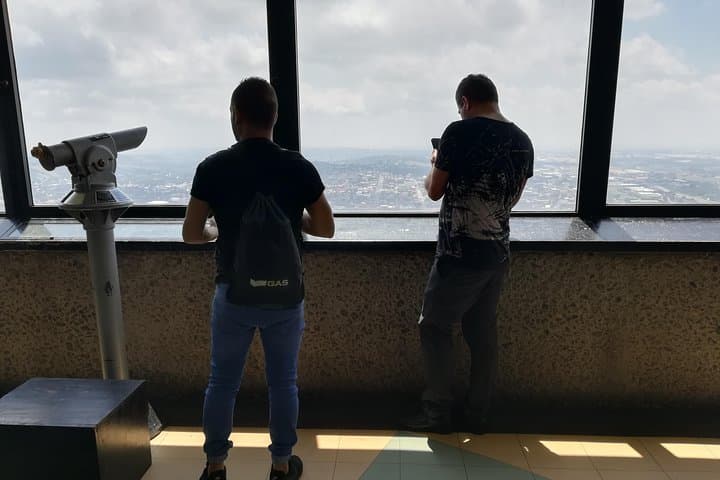
Johannesburg itself grew from a 1886 gold rush; the city’s geology—deep reefs and rich ore—built skyscrapers whose windows now reflect a very different skyline. The tour threads history and urban renewal: a museum encounter with the brutality of apartheid, a ride up the Carlton Centre for a 50th-floor perspective, and a walk through Maboneng’s street art that celebrates contemporary South African creativity.
You’ll pass the mining precinct that made the city’s fortune and Constitutional Hill, once a colonial fort and prison, now the seat of justice. These sites are readable layers: geology that enriched a nation, institutions that enforced exclusion, and cultural districts rewriting the narrative.
Practically, the half-day tour runs about five hours with air-conditioned transport and bottled water included. Wear comfortable walking shoes; museum spaces are wheelchair accessible but expect several outdoor stretches between stops. Midday light is best for rooftop views and street photography; winter mornings are cool, summer afternoons can bring sharp showers. Bring ID for admissions and allow time for security screening at the museum. The experience is measured and sober—plan to move between reflection and the city’s livelier neighborhoods with respect and curiosity.
easy.
5 hours.
Suitable for most fitness levels; involves moderate walking and short stair sections
Yes—according to the operator, museum areas and surfaces are wheelchair accessible and the tour accommodates mobility needs.
Admission to the Apartheid Museum and Carlton Centre rooftop is included; some smaller sites like the mining visit or Constitutional Hill portions may have separate fees—confirm with the operator.
Guided tours are typically conducted in English; ask the operator in advance about other language options or materials.
The tour includes air-conditioned transport; you’ll select a pickup point during booking—confirm exact pickup address and arrival time on your voucher.
Johannesburg expanded rapidly after the 1886 gold discovery; the Apartheid Museum documents the institutionalized segregation of 20th-century South Africa and the country’s transition to democracy.
Urban renewal in districts like Maboneng emphasizes cultural preservation and local enterprise; visitors can support sustainability by using public transport options, minimizing waste, and booking reputable local guides.
Masupatsela Tours operates guided outdoor trips and adventures with an emphasis on safety, stewardship, and memorable experiences.

You step through a steel gate; the city’s pulse shifts from traffic to a quieter, more reflective hum. The Apartheid Museum’s concrete slabs and stark exhibits pull you into mid-20th-century South Africa, where archival footage, photos and personal artifacts map a system of segregation and the long march to democracy.
You step through a steel gate; the city’s pulse shifts from traffic to a quieter, more reflective hum. The Apartheid Museum’s concrete slabs and stark exhibits pull you into mid-20th-century South Africa, where archival footage, photos and personal artifacts map a system of segregation and the long march to democracy.
Johannesburg itself grew from a 1886 gold rush; the city’s geology—deep reefs and rich ore—built skyscrapers whose windows now reflect a very different skyline. The tour threads history and urban renewal: a museum encounter with the brutality of apartheid, a ride up the Carlton Centre for a 50th-floor perspective, and a walk through Maboneng’s street art that celebrates contemporary South African creativity.
You’ll pass the mining precinct that made the city’s fortune and Constitutional Hill, once a colonial fort and prison, now the seat of justice. These sites are readable layers: geology that enriched a nation, institutions that enforced exclusion, and cultural districts rewriting the narrative.
Practically, the half-day tour runs about five hours with air-conditioned transport and bottled water included. Wear comfortable walking shoes; museum spaces are wheelchair accessible but expect several outdoor stretches between stops. Midday light is best for rooftop views and street photography; winter mornings are cool, summer afternoons can bring sharp showers. Bring ID for admissions and allow time for security screening at the museum. The experience is measured and sober—plan to move between reflection and the city’s livelier neighborhoods with respect and curiosity.