THE ADVENTURE COLLECTIVE® · Independent discovery and booking for outdoor travel

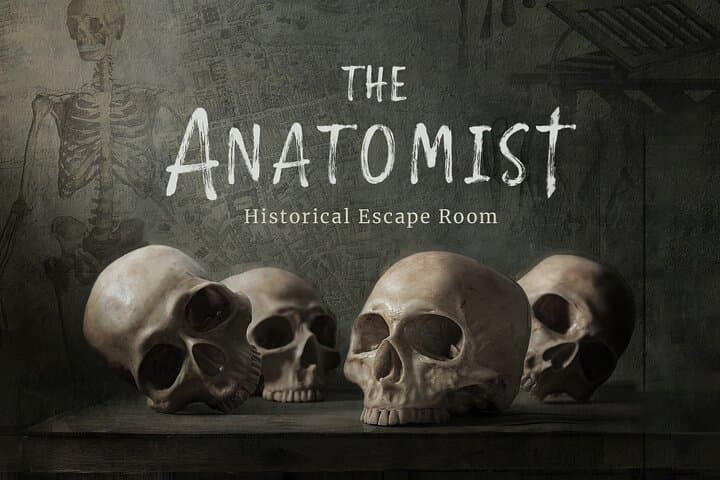
Step into a 19th-century anatomist’s study beneath Edinburgh’s surgical quarter. This one-hour, private escape room blends medical history, tactile puzzles, and the city’s grave-robbing lore for groups of 2–8.
Step into a 19th-century anatomist’s study beneath Edinburgh’s surgical quarter. This one-hour, private escape room blends medical history, tactile puzzles, and the city’s grave-robbing lore for groups of 2–8.
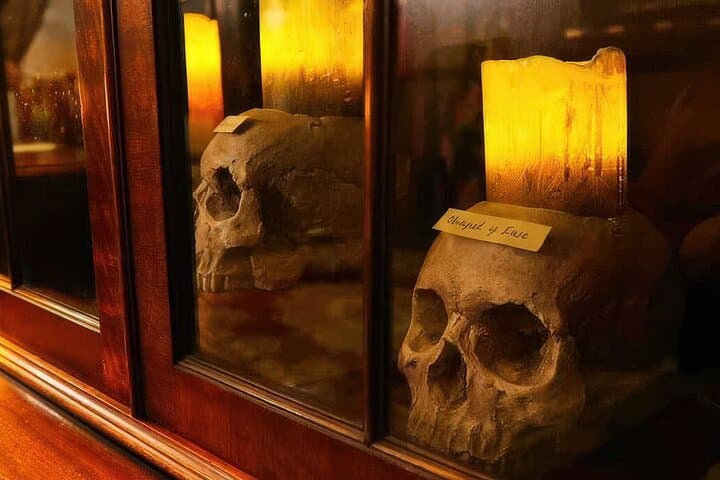
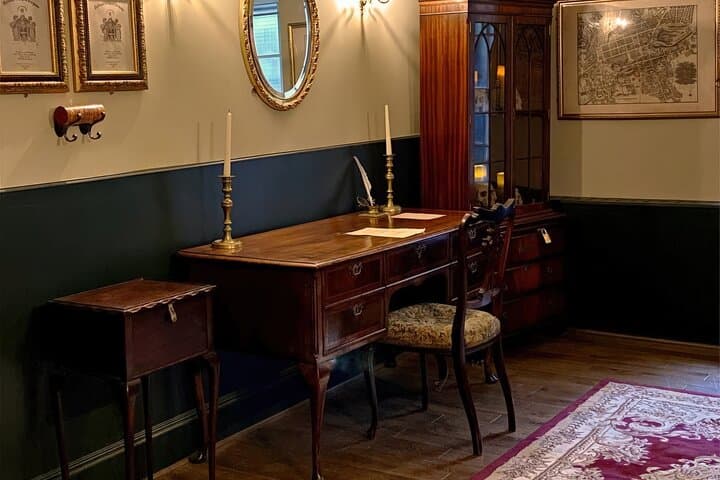
The basement smells faintly of dust and antiseptic; low light picks out brass knobs and ledger pages as your team leans into a locked study on the edge of Edinburgh’s old surgical quarter.
Verified experiences and guided adventures in the surrounding area.
Operated by Escape The Past · Edinburgh, Scotland
The basement smells faintly of dust and antiseptic; low light picks out brass knobs and ledger pages as your team leans into a locked study on the edge of Edinburgh’s old surgical quarter.
Set in a recreated 19th-century anatomist’s study near Nicolson Square, The Anatomist drops you into 1829 Edinburgh—when medical schools were world-leading and fresh cadavers were in brutally short supply. Puzzles revolve around period tools, Dr. Malcolm’s ledger, and the city’s fraught relationship with grave robbers and the notorious Burke and Hare-era scandals that reshaped medical ethics.
The room sits beneath sandstone façades hewn from Devonian rock and bordered by narrow alleys that funnel the city’s breath; the geology and tight urban fabric give the space a compressed, urgent feel. Cultural clues are everywhere: handwritten lecture notes, printed broadsheets, and props that reference Surgeons’ Hall and the university’s anatomical heritage.
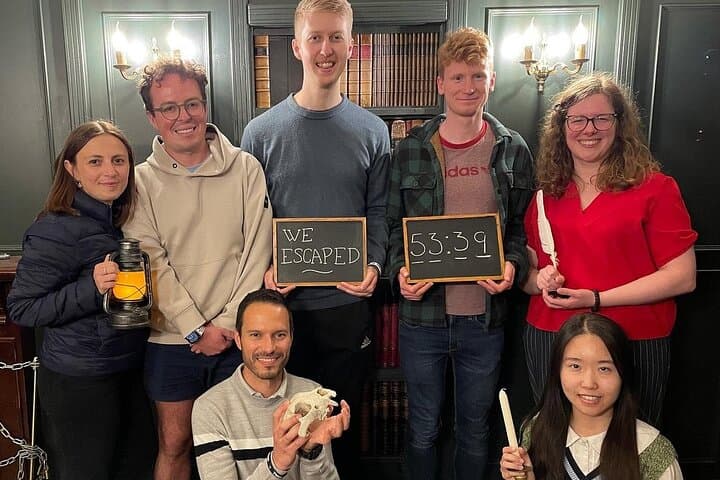
Practical guide: bookings are for private groups of 2–8 and last 60 minutes—arrive 10–15 minutes early for a briefing. The game uses tactile and olfactory set pieces; staff warn it may not suit those with severe mobility or cardiovascular conditions. Ages 12+ recommended. Work as a team: assign a note-taker, keep track of found objects, and communicate discoveries out loud.
Timing matters—weekday afternoons are quieter, evenings and weekends sell out—and the experience pairs well with a visit to Surgeons’ Hall Museum or a slow walk up the Royal Mile after the game. Respect the set, ask staff about historical references, and come ready to think fast and touch carefully.
moderate.
60 minutes.
No special fitness required; participants should be able to stand and move around for an hour and bend to reach props.
The game runs approximately 60 minutes, with additional time for briefing and debriefing—plan for about 75–90 minutes total at the venue.
Recommended for ages 12 and up; younger children may struggle with some themes and puzzles.
The venue notes the experience may not be suitable for those with significant mobility issues—contact the operator in advance to discuss needs.
Photography of the game during play is typically not allowed to preserve puzzle integrity; ask staff about photos after the session.
Edinburgh’s 19th-century medical schools created intense demand for cadavers, fueling grave robbing and the Burke and Hare murders—events that pushed reforms in anatomy law and medical ethics.
The escape room and nearby museums emphasize preservation of artifacts and encourage visitors to support local heritage venues and avoid touching genuine historical items.
Escape The Past operates guided outdoor trips and adventures with an emphasis on safety, stewardship, and memorable experiences.
The basement smells faintly of dust and antiseptic; low light picks out brass knobs and ledger pages as your team leans into a locked study on the edge of Edinburgh’s old surgical quarter.
The basement smells faintly of dust and antiseptic; low light picks out brass knobs and ledger pages as your team leans into a locked study on the edge of Edinburgh’s old surgical quarter.
Set in a recreated 19th-century anatomist’s study near Nicolson Square, The Anatomist drops you into 1829 Edinburgh—when medical schools were world-leading and fresh cadavers were in brutally short supply. Puzzles revolve around period tools, Dr. Malcolm’s ledger, and the city’s fraught relationship with grave robbers and the notorious Burke and Hare-era scandals that reshaped medical ethics.
The room sits beneath sandstone façades hewn from Devonian rock and bordered by narrow alleys that funnel the city’s breath; the geology and tight urban fabric give the space a compressed, urgent feel. Cultural clues are everywhere: handwritten lecture notes, printed broadsheets, and props that reference Surgeons’ Hall and the university’s anatomical heritage.
Practical guide: bookings are for private groups of 2–8 and last 60 minutes—arrive 10–15 minutes early for a briefing. The game uses tactile and olfactory set pieces; staff warn it may not suit those with severe mobility or cardiovascular conditions. Ages 12+ recommended. Work as a team: assign a note-taker, keep track of found objects, and communicate discoveries out loud.
Timing matters—weekday afternoons are quieter, evenings and weekends sell out—and the experience pairs well with a visit to Surgeons’ Hall Museum or a slow walk up the Royal Mile after the game. Respect the set, ask staff about historical references, and come ready to think fast and touch carefully.