THE ADVENTURE COLLECTIVE® · Independent discovery and booking for outdoor travel

Stand beneath a life-sized blue whale and trace 4 billion years of Earth in a single day. This practical guide helps you pick the must-see halls, plan your timing, and navigate the American Museum of Natural History with confidence.
Stand beneath a life-sized blue whale and trace 4 billion years of Earth in a single day. This practical guide helps you pick the must-see halls, plan your timing, and navigate the American Museum of Natural History with confidence.
You step through a stone colonnade and the city noise thins; inside, a whale looms overhead and ancient bones keep their slow watch. Light from high windows falls across dioramas where mountain goats eye you with an unhurried curiosity, and the hush of galleries makes each footstep part of the museum’s long human chorus.
Verified experiences and guided adventures in the surrounding area.
Operated by TrevoTour Travels · New York, NY
You step through a stone colonnade and the city noise thins; inside, a whale looms overhead and ancient bones keep their slow watch. Light from high windows falls across dioramas where mountain goats eye you with an unhurried curiosity, and the hush of galleries makes each footstep part of the museum’s long human chorus.
Founded in 1869, the American Museum of Natural History maps the planet’s past and the universe beyond. Geology and paleontology meet culture in halls that chart deep time — towering dinosaur skeletons sit beside mineral displays that catch the light like lanterns. The Rose Center for Earth and Space places astronomy within reach: its spherical Hayden Planetarium gives scale to vast distances, while the Hall of Ocean Life dares you to undersea immensity beneath its suspended blue whale.
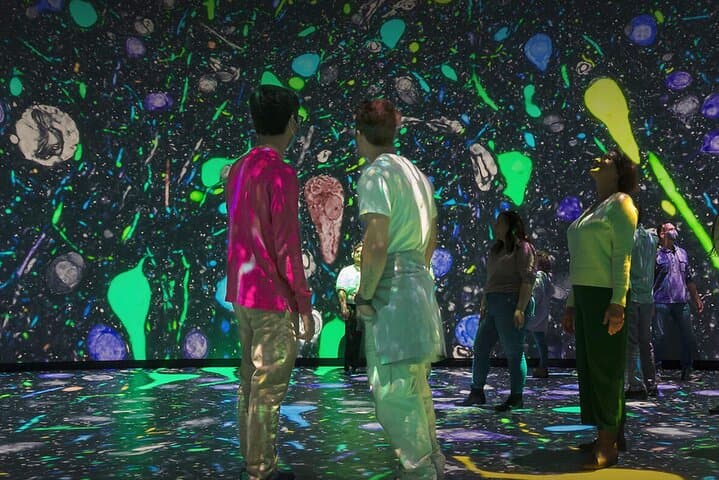
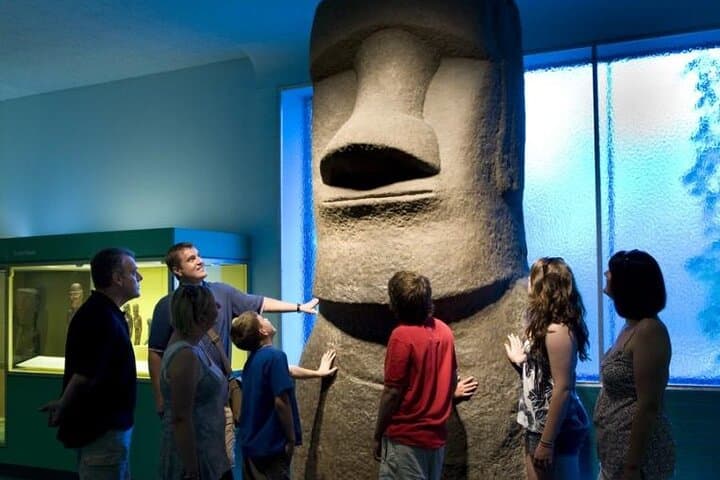
Expect a mix of old-school cabinets and new interactive exhibits, plus rotating shows in the Richard Gilder Center and seasonal installations such as the butterfly vivarium. Cultural artifacts offer windows into human histories from around the globe; museum signage emphasizes provenance and stewardship.
Practical guidance: plan 4–8 hours and prioritize 2–3 halls to avoid fatigue. Arrive when doors open to beat school-group peaks and use the north or south stairwells to move between floors quickly. Wear supportive shoes — floors are vast and often stone — and bring a small water bottle; food is available at museum cafes if you need a mid-visit break. Tickets are timed and redeemable via mobile or print; consider adding the planetarium show or special exhibitions at the desk if time allows. Respect exhibit rules and the museum’s conservation efforts to help this public resource endure for the next generation.
easy.
7–8 hours.
Suitable for most fitness levels; expect extended walking and standing—moderate stamina helpful
Timed tickets are recommended to manage crowding; you can purchase mobile or print tickets in advance and select an entry time.
Some special exhibitions and spaces like the butterfly vivarium or planetarium shows may require an additional fee payable on-site.
Allocate 4–8 hours depending on how many halls and shows you choose; a full pass to see everything could take multiple visits.
Take the B or C subway to 81st Street–Museum of Natural History, or use buses along Central Park West; paid parking nearby is limited.
The museum opened in 1869 and grew from private collections into one of the world’s leading natural history institutions, emphasizing research and public education.
The museum runs research and conservation programs worldwide; visitors are encouraged to follow exhibit rules to protect fragile specimens and support sustainable museum operations.
TrevoTour Travels operates guided outdoor trips and adventures with an emphasis on safety, stewardship, and memorable experiences.
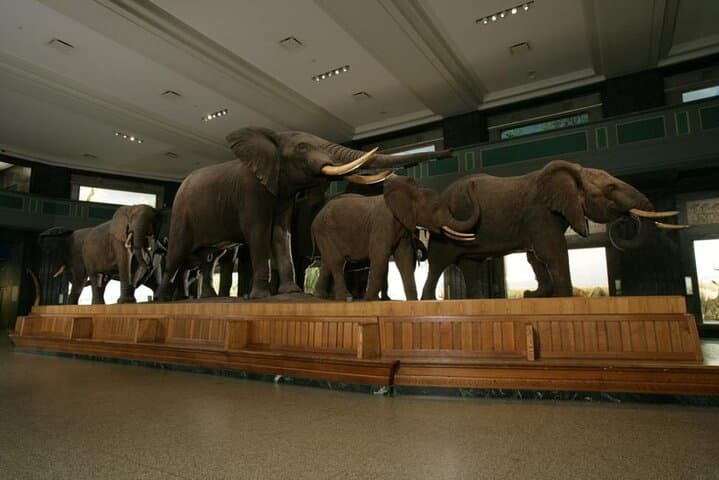

You step through a stone colonnade and the city noise thins; inside, a whale looms overhead and ancient bones keep their slow watch. Light from high windows falls across dioramas where mountain goats eye you with an unhurried curiosity, and the hush of galleries makes each footstep part of the museum’s long human chorus.
You step through a stone colonnade and the city noise thins; inside, a whale looms overhead and ancient bones keep their slow watch. Light from high windows falls across dioramas where mountain goats eye you with an unhurried curiosity, and the hush of galleries makes each footstep part of the museum’s long human chorus.
Founded in 1869, the American Museum of Natural History maps the planet’s past and the universe beyond. Geology and paleontology meet culture in halls that chart deep time — towering dinosaur skeletons sit beside mineral displays that catch the light like lanterns. The Rose Center for Earth and Space places astronomy within reach: its spherical Hayden Planetarium gives scale to vast distances, while the Hall of Ocean Life dares you to undersea immensity beneath its suspended blue whale.
Expect a mix of old-school cabinets and new interactive exhibits, plus rotating shows in the Richard Gilder Center and seasonal installations such as the butterfly vivarium. Cultural artifacts offer windows into human histories from around the globe; museum signage emphasizes provenance and stewardship.
Practical guidance: plan 4–8 hours and prioritize 2–3 halls to avoid fatigue. Arrive when doors open to beat school-group peaks and use the north or south stairwells to move between floors quickly. Wear supportive shoes — floors are vast and often stone — and bring a small water bottle; food is available at museum cafes if you need a mid-visit break. Tickets are timed and redeemable via mobile or print; consider adding the planetarium show or special exhibitions at the desk if time allows. Respect exhibit rules and the museum’s conservation efforts to help this public resource endure for the next generation.