THE ADVENTURE COLLECTIVE® · Independent discovery and booking for outdoor travel

Skip the lines and step inside the 3rd Pyramid on a VIP Giza tour that pairs an expert guide with a camel ride and traditional Egyptian lunch. This compact, accessible experience pairs rich history with practical logistics for travelers short on time.
Skip the lines and step inside the 3rd Pyramid on a VIP Giza tour that pairs an expert guide with a camel ride and traditional Egyptian lunch. This compact, accessible experience pairs rich history with practical logistics for travelers short on time.
A low wind pushes fine sand across the plateau while the three pyramids rise in block-straight geometry, edges cutting the light. On a VIP tour the crowd thins; guides move with practiced cadence and the limestone faces take on scale you can't capture from a bus window. Visitors step from shaded vehicle to the open expanse, the Great Sphinx watching as camels line up for slow, deliberate photos.
Verified experiences and guided adventures in the surrounding area.
Operated by Magic Pyramid Tour · Cairo, Giza
A low wind pushes fine sand across the plateau while the three pyramids rise in block-straight geometry, edges cutting the light. On a VIP tour the crowd thins; guides move with practiced cadence and the limestone faces take on scale you can't capture from a bus window. Visitors step from shaded vehicle to the open expanse, the Great Sphinx watching as camels line up for slow, deliberate photos.
The Giza Plateau holds over 4,500 years of funerary architecture. The Great Pyramid, Khafre and the smaller Menkaure present different construction logics — from massive core blocks to the remaining casing stones near Khafre’s summit. Cultural context follows: funerary temples, processional causeways and the Valley Temple's dressed stone and red granite hint at ancient mortuary practices.
Practically, a VIP package compresses logistics: skip-the-line access, a chance to enter the 3rd pyramid (subject to ticketing), and a sit-down Egyptian lunch offering koshary or falafel. Expect paved approaches mixed with packed sand; short climbs and stooped corridors inside the pyramid. A camel ride is a slow, sway-forward way to photograph the plateau from varied angles.
Plan early-morning or late-afternoon departures to avoid peak heat, bring sun protection and comfortable closed shoes for uneven ground. Follow local guidance near monuments — barriers protect fragile masonry and photography rules vary for interior spaces. With a guide, the plateau feels navigable and richly readable: architecture speaking in angles and scale, the desert drafting a persistent, dry percussion beneath your steps.
easy.
4–5 hours.
Suitable for most travelers who can manage short walks, moderate stooping inside chambers, and brief periods on camelback.
Yes — this VIP option can include entrance to the 3rd (Menkaure) pyramid when the ticket package includes interior access; confirm at booking.
Yes — camels are handled by local handlers and rides are short; disclose mobility issues or pregnancy when booking to get appropriate options.
Lunch is included depending on the chosen option; expect traditional Egyptian dishes such as koshary or falafel served at a local restaurant.
The tour lists wheelchair-accessible options for transportation and some surfaces, but interior pyramid areas and camel rides are not suitable for wheelchair access.
The Giza Plateau served as a funerary complex for Old Kingdom pharaohs; the construction phases of Khufu, Khafre and Menkaure reveal different stoneworking and design priorities.
Visitor limits and interior access controls protect fragile chamber surfaces and ancient mortar; stay on designated paths and follow guide instructions to reduce wear.
Magic Pyramid Tour operates guided outdoor trips and adventures with an emphasis on safety, stewardship, and memorable experiences.
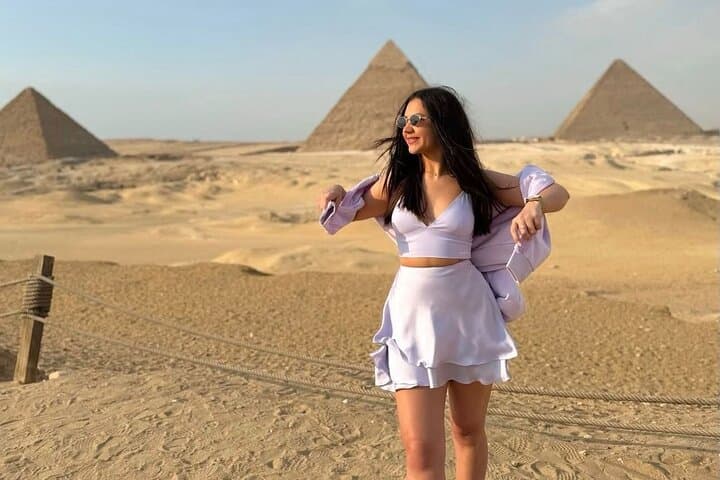
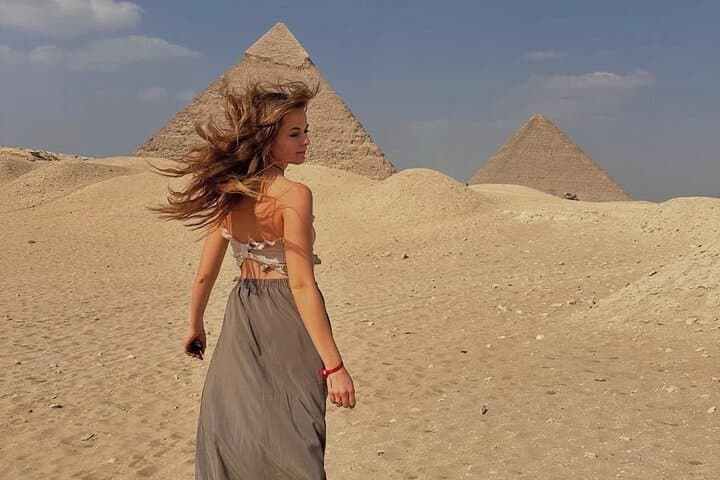
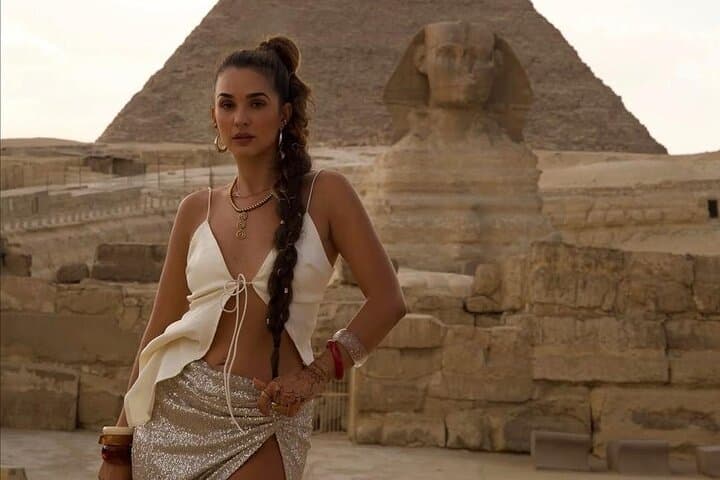
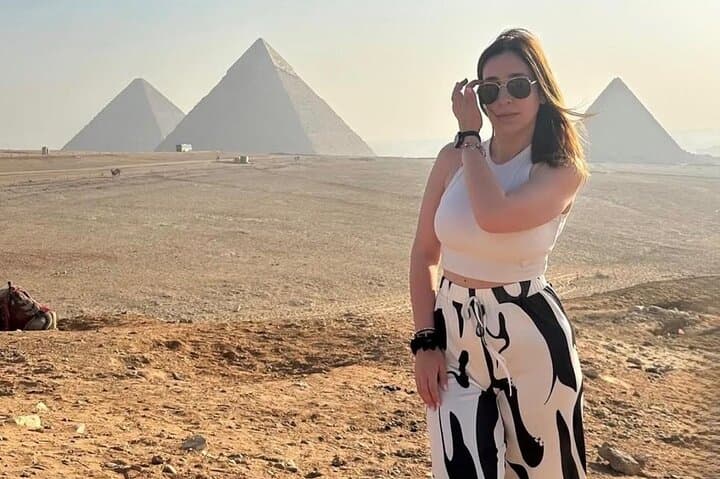
A low wind pushes fine sand across the plateau while the three pyramids rise in block-straight geometry, edges cutting the light. On a VIP tour the crowd thins; guides move with practiced cadence and the limestone faces take on scale you can't capture from a bus window. Visitors step from shaded vehicle to the open expanse, the Great Sphinx watching as camels line up for slow, deliberate photos.
A low wind pushes fine sand across the plateau while the three pyramids rise in block-straight geometry, edges cutting the light. On a VIP tour the crowd thins; guides move with practiced cadence and the limestone faces take on scale you can't capture from a bus window. Visitors step from shaded vehicle to the open expanse, the Great Sphinx watching as camels line up for slow, deliberate photos.
The Giza Plateau holds over 4,500 years of funerary architecture. The Great Pyramid, Khafre and the smaller Menkaure present different construction logics — from massive core blocks to the remaining casing stones near Khafre’s summit. Cultural context follows: funerary temples, processional causeways and the Valley Temple's dressed stone and red granite hint at ancient mortuary practices.
Practically, a VIP package compresses logistics: skip-the-line access, a chance to enter the 3rd pyramid (subject to ticketing), and a sit-down Egyptian lunch offering koshary or falafel. Expect paved approaches mixed with packed sand; short climbs and stooped corridors inside the pyramid. A camel ride is a slow, sway-forward way to photograph the plateau from varied angles.
Plan early-morning or late-afternoon departures to avoid peak heat, bring sun protection and comfortable closed shoes for uneven ground. Follow local guidance near monuments — barriers protect fragile masonry and photography rules vary for interior spaces. With a guide, the plateau feels navigable and richly readable: architecture speaking in angles and scale, the desert drafting a persistent, dry percussion beneath your steps.